Cierva Cove - Mikklesen Harbor
Seals, More Penguins, Lots More Ice
Saturday December 29, 2007
Cierva Cove is a deep inlet on the western side of the Antarctic peninsula, surrounded by rugged mountains and dramatic glaciers. The bay always has a parade of icebergs, some having calved off the local glaciers and some having been blown in from sea by the prevailing westerly winds.
The expedition staff of the Ocean Nova took us out in zodiacs for a cruise of the cove Saturday morning. The sun didn't shine but at least it wasn't raining or windy - and the wildlife showed up for our entertainment and viewing pleasure.
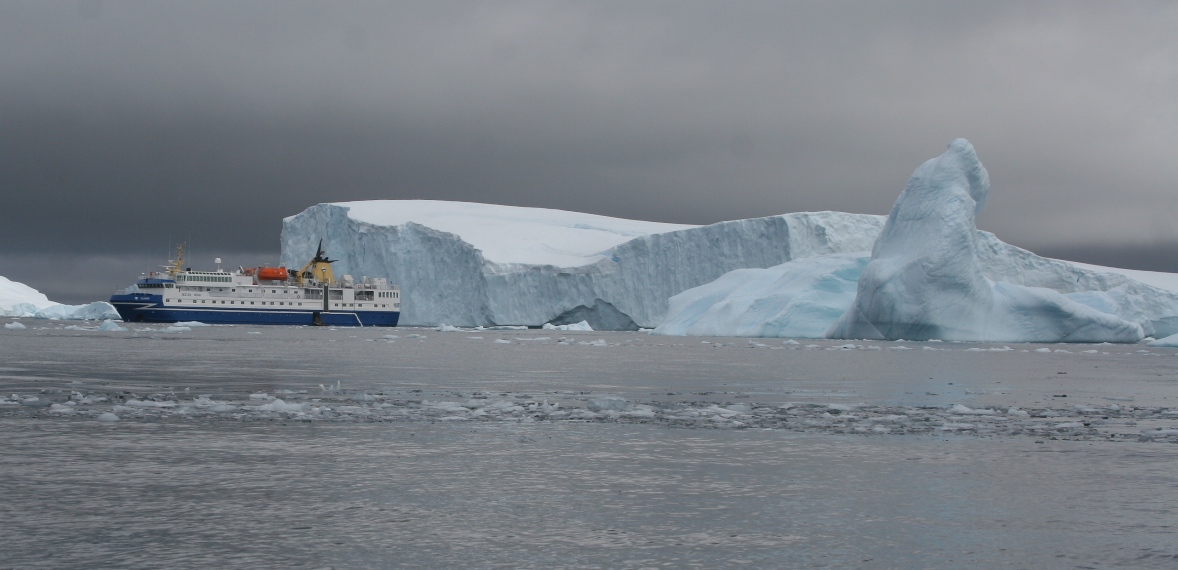
Our ship at anchor not far from the icecap of the Antarctic peninsula.
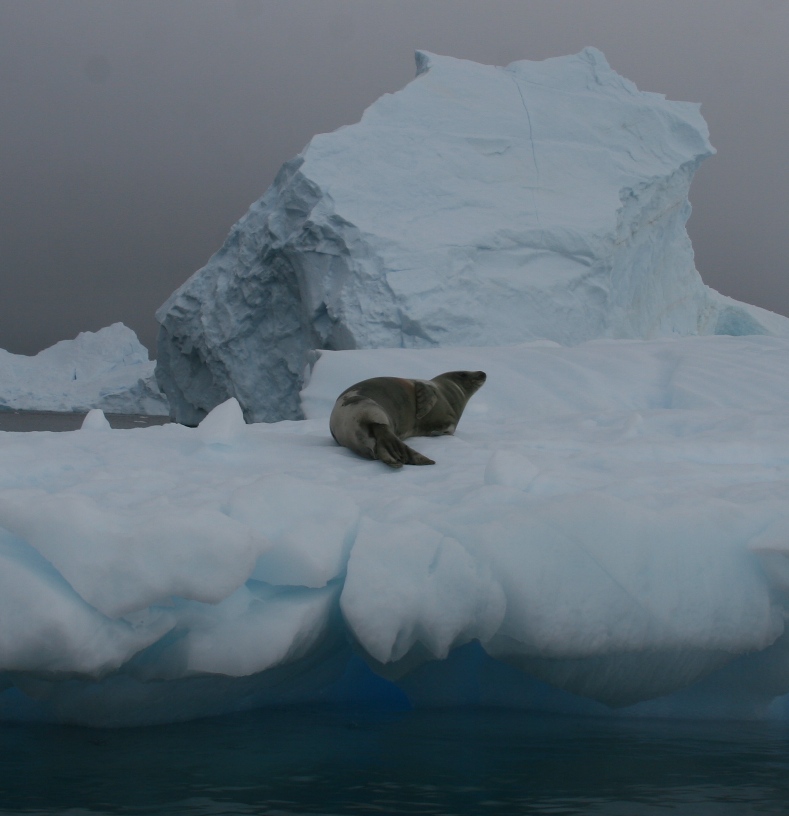
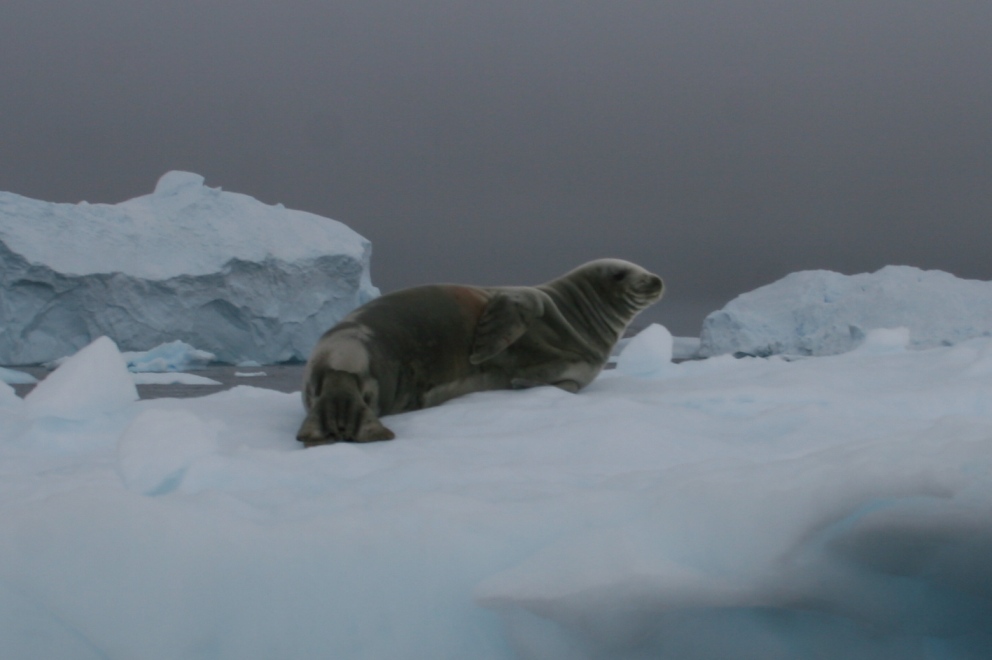
A Crabeater seal resting on an iceberg.
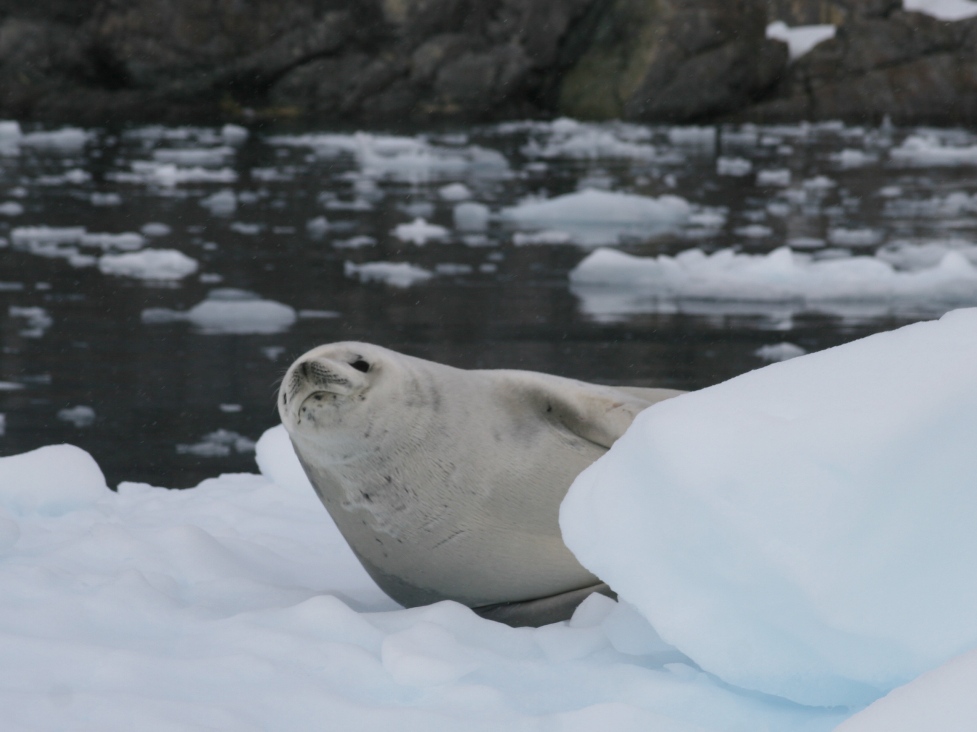
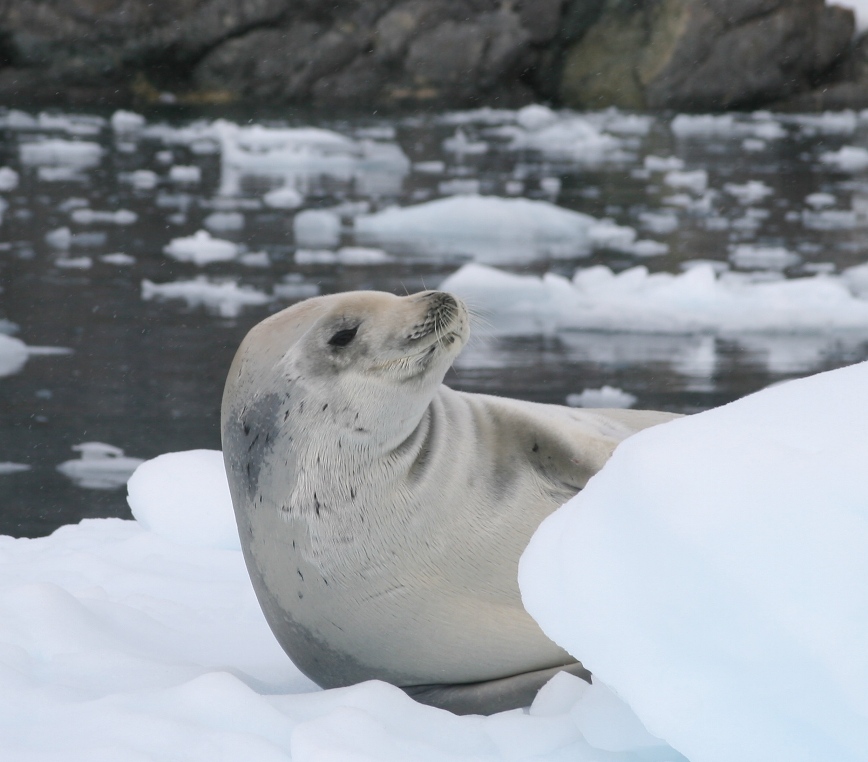
This one's a Weddell seal. The Weddell seals rely on large sharp front teeth to keep breathing holes open in the ice during the winter. Tooth wear is the number one cause of death for these seals.
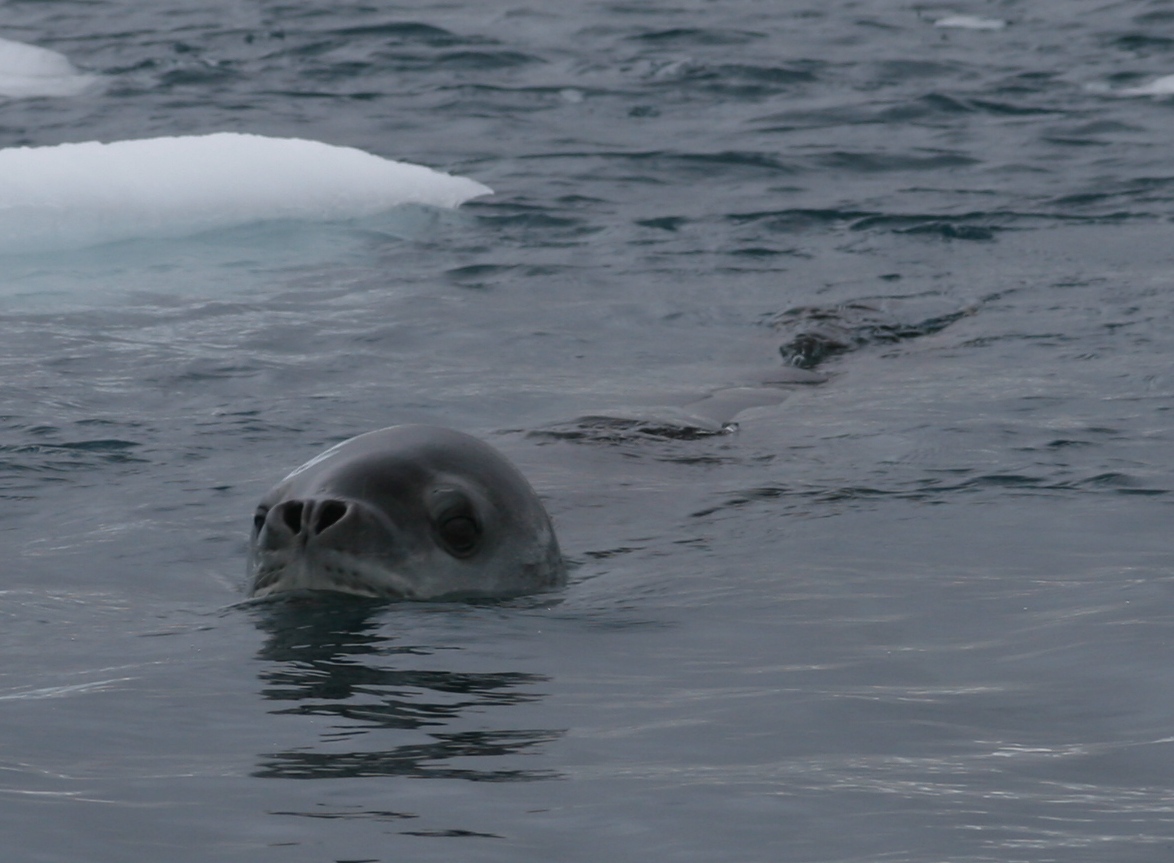
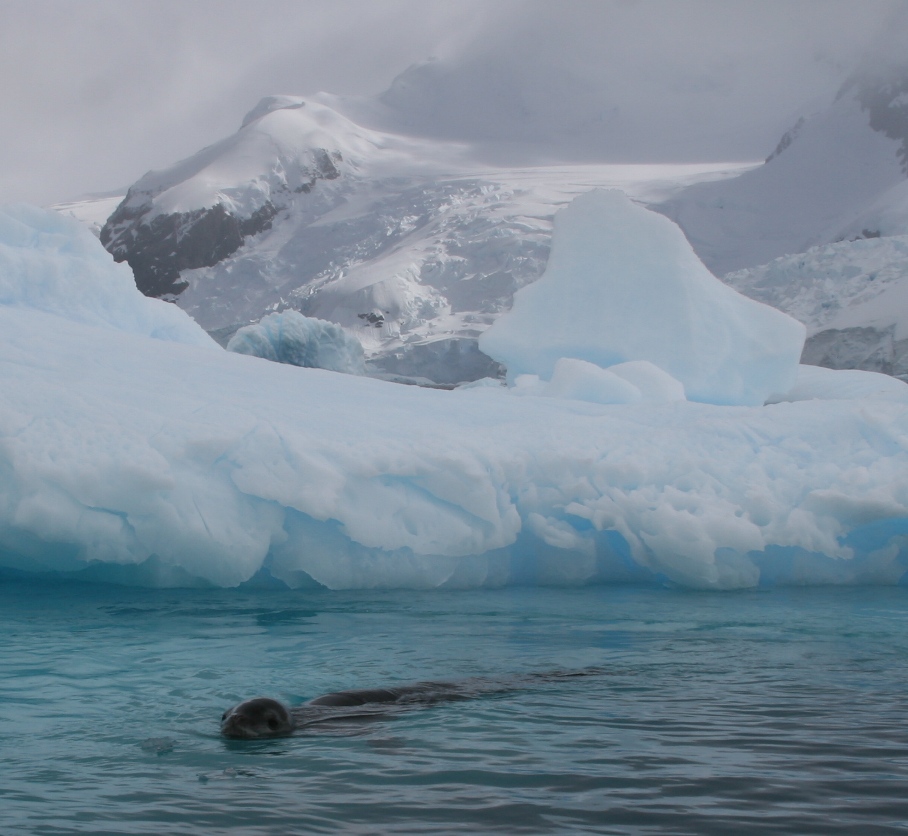
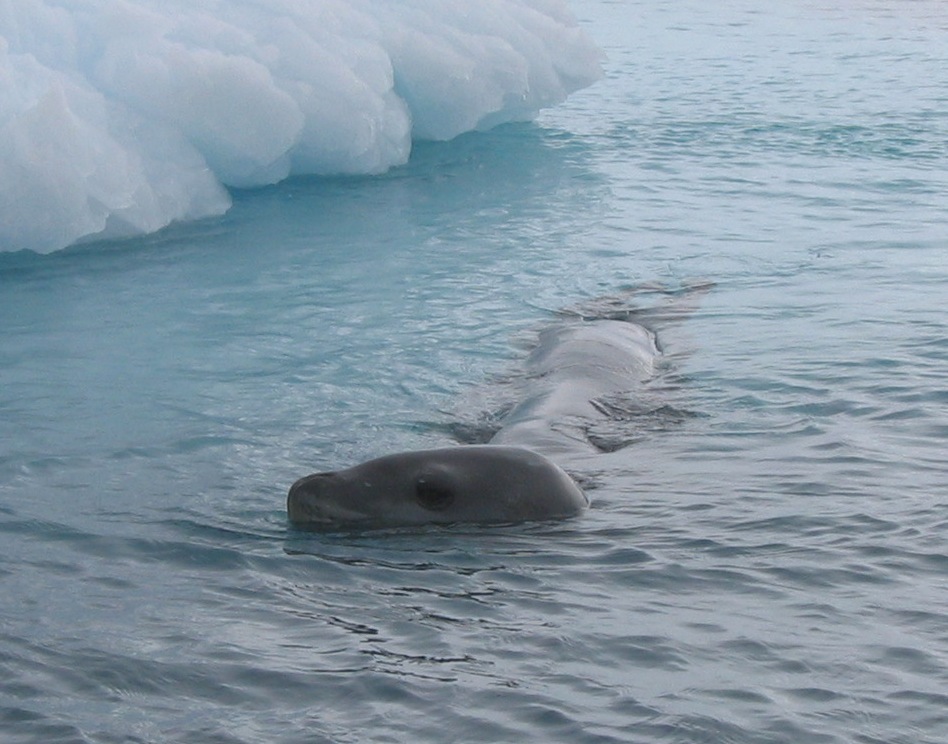
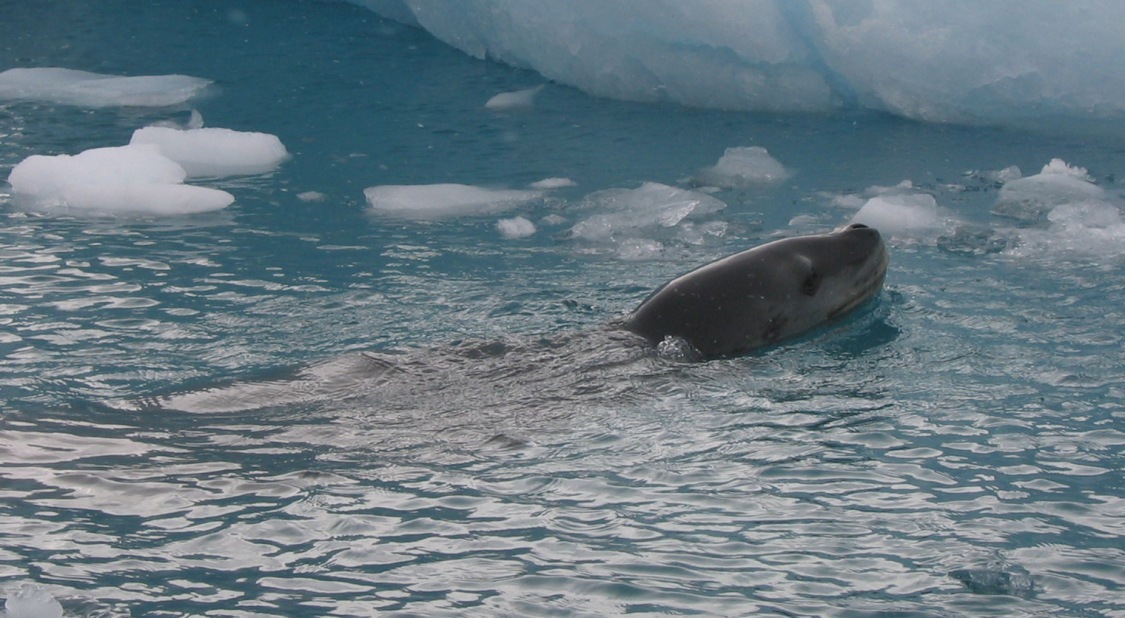
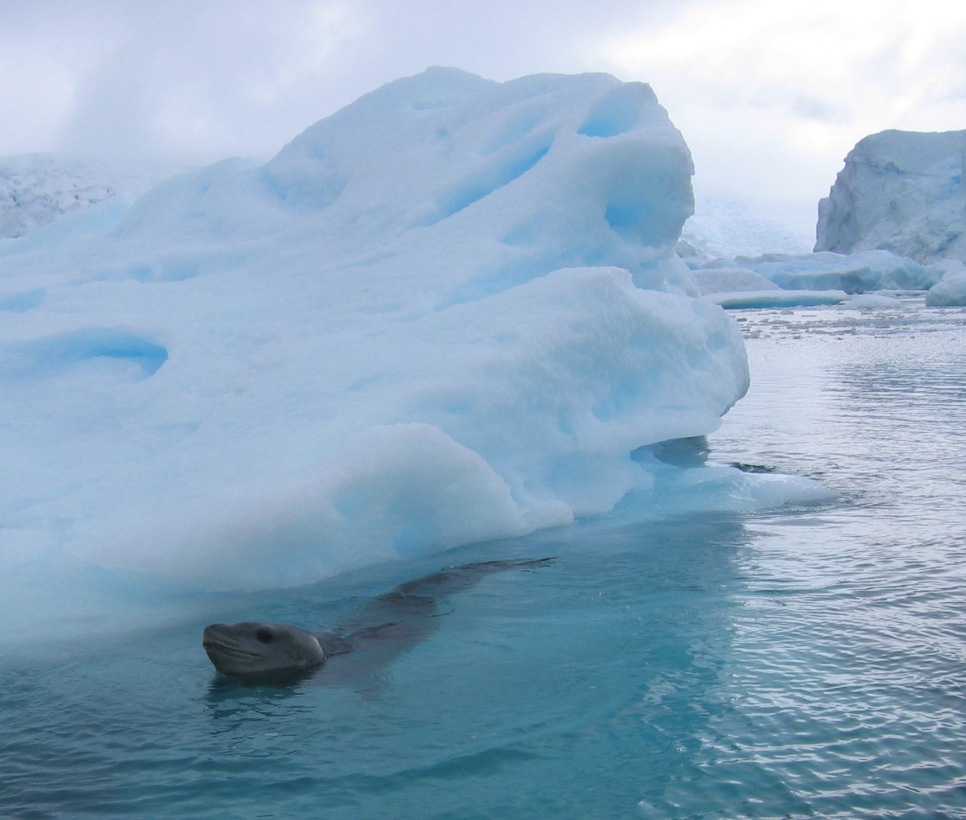
The Leopard seal is to the Antarctic what the Polar bear is to the Arctic - it is the top predator. This huge animal eats a lot of penguins during the penguin breeding season, and hunts by cruising stealthily along the edge of icebergs waiting for a penguin to drop down into the water from above.
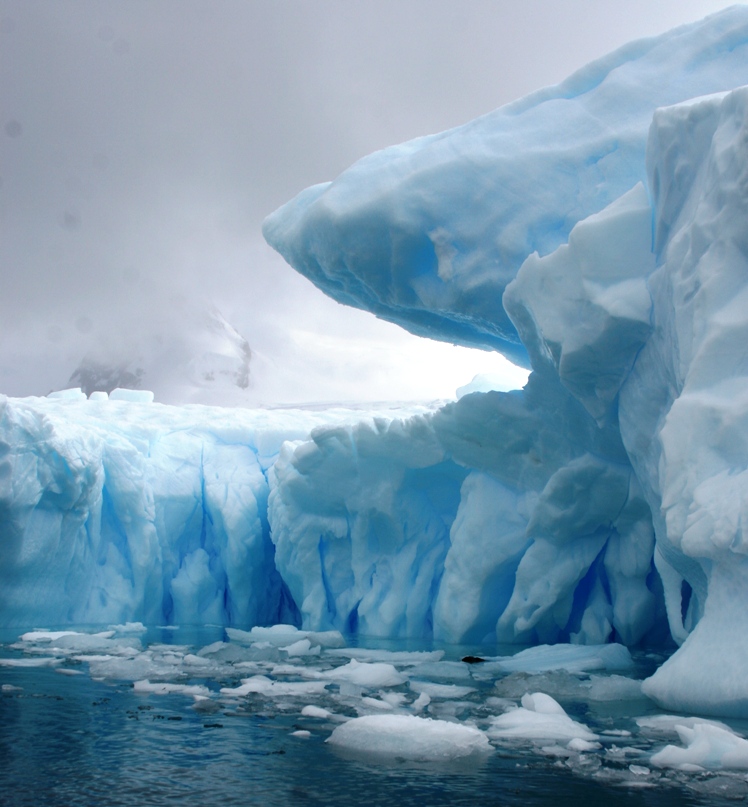
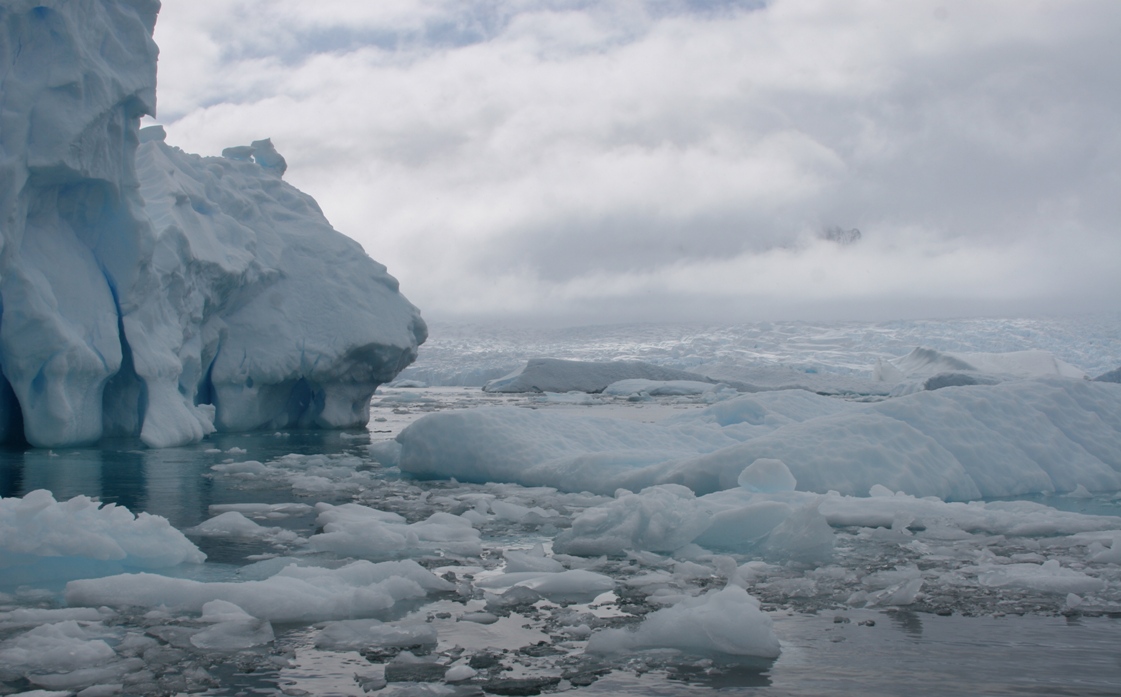
The massive icebergs of Cierva Cove.
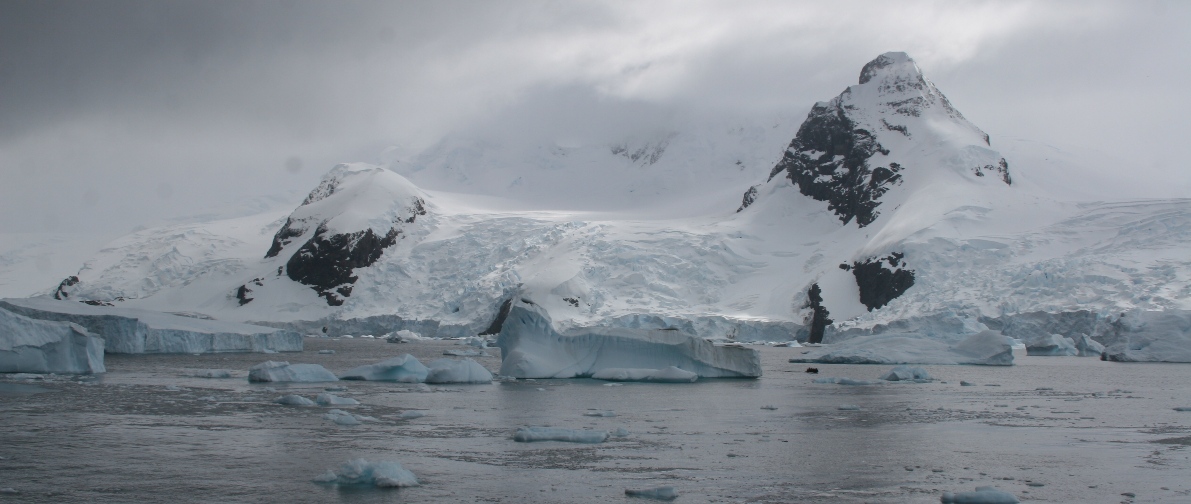
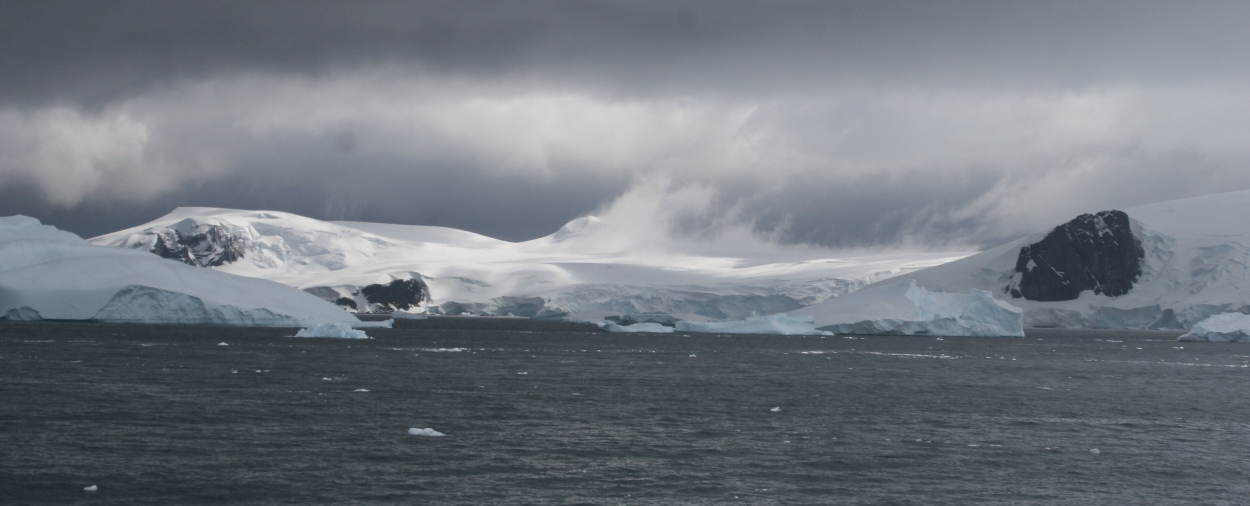
The glaciers of mainland Antarctica - there are too many to name, and they all are extremely large.
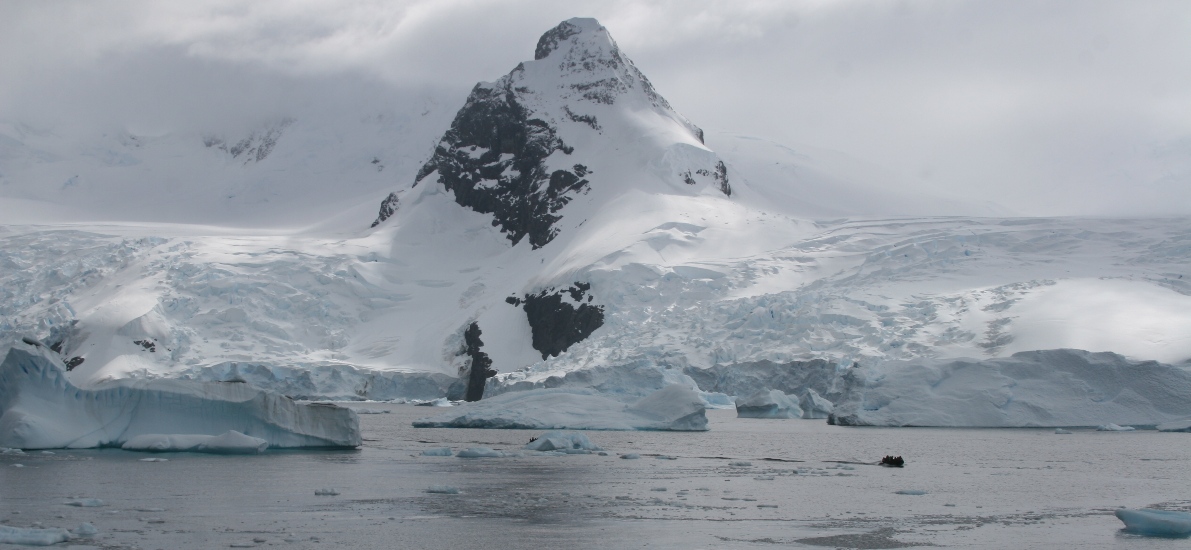
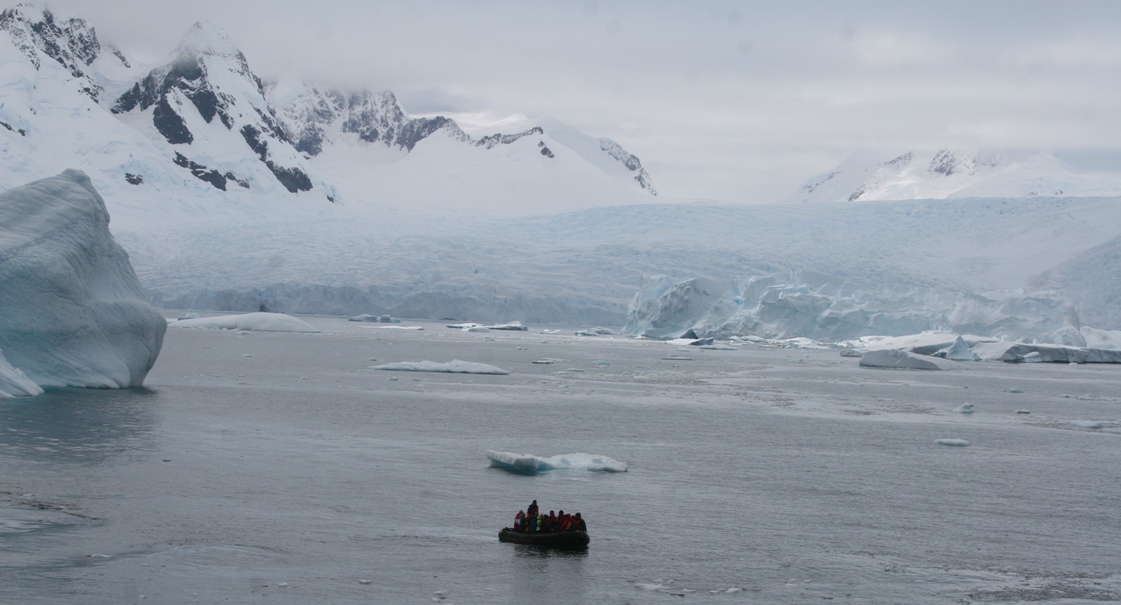
Our tiny zodiacs can perhaps lend a little perspective to the scale of the pictures and the size of the glaciers and icebergs.
***********************************************************
Our afternoon excursion was a landing at Mikklesen Harbor. This rocky islet is located in a small bay on the southern side of Trinity Island between Skottsberg and Borge points in the Palmer Archipelago. The island was discovered by the Swedish Antarctic expedition of 1901-1904. The sight is marked by a navigation tower and some unmanned huts.
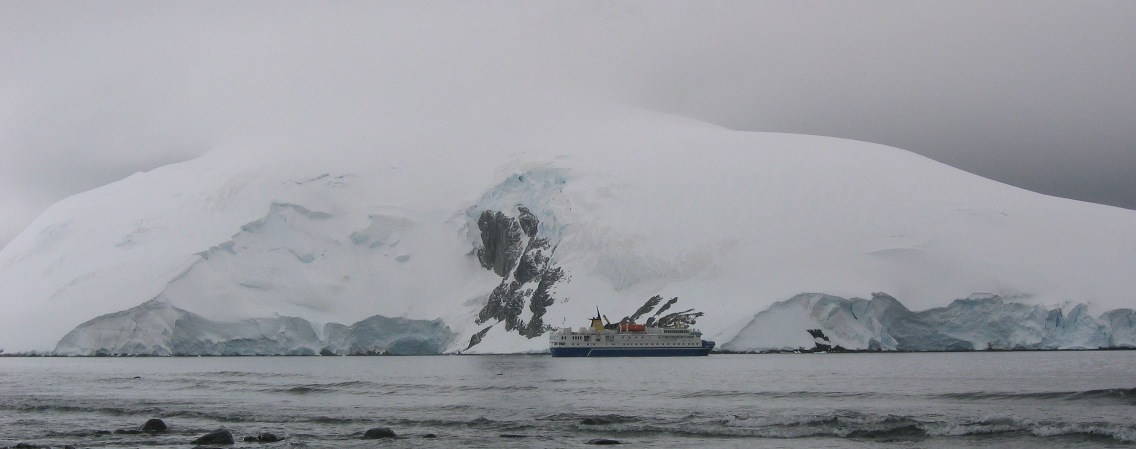
The Ocean Nova anchors near Mikklesen Harbor,
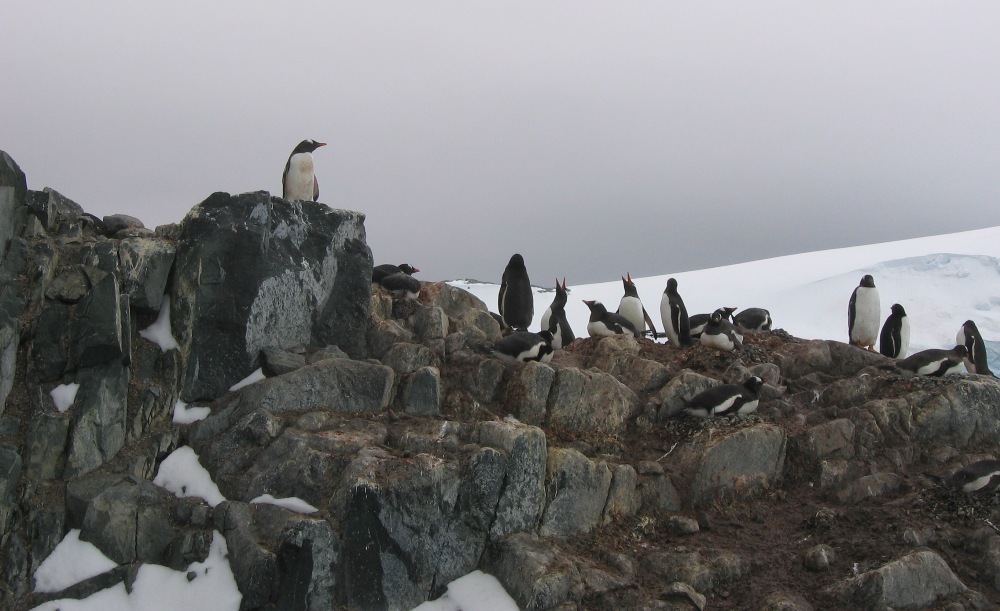
and the tourists go ashore to commune with Penguins.
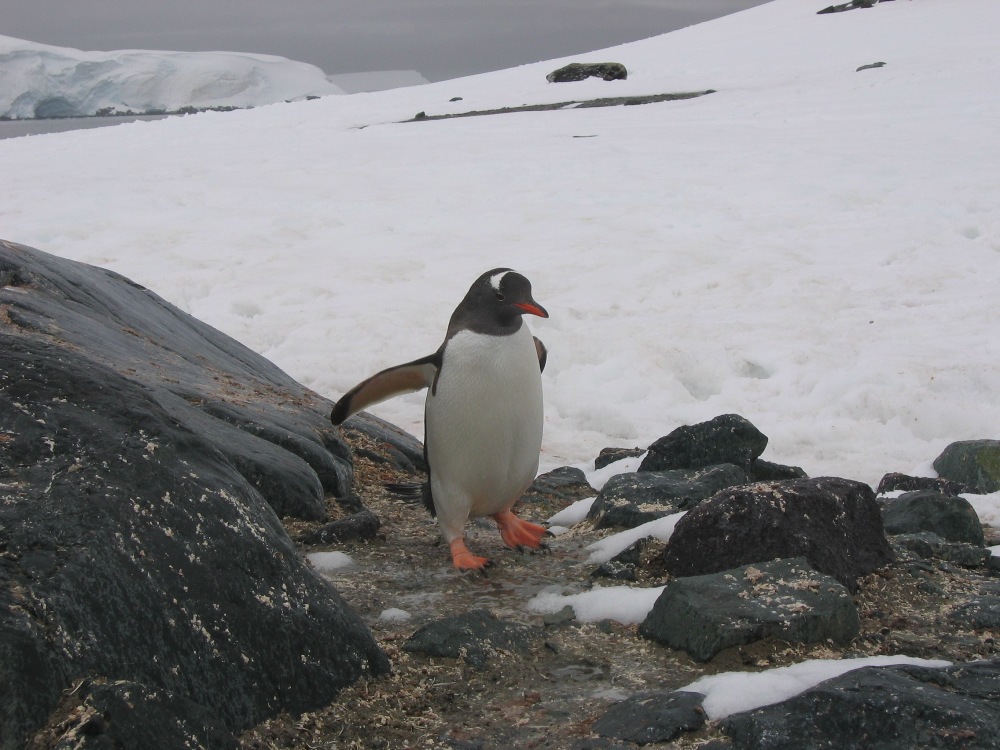
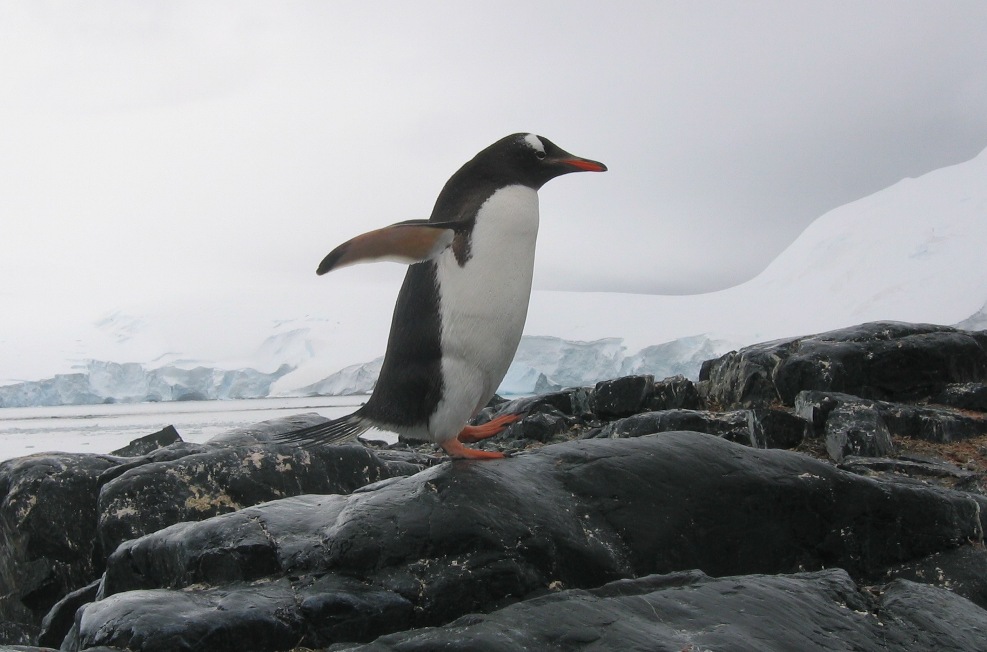
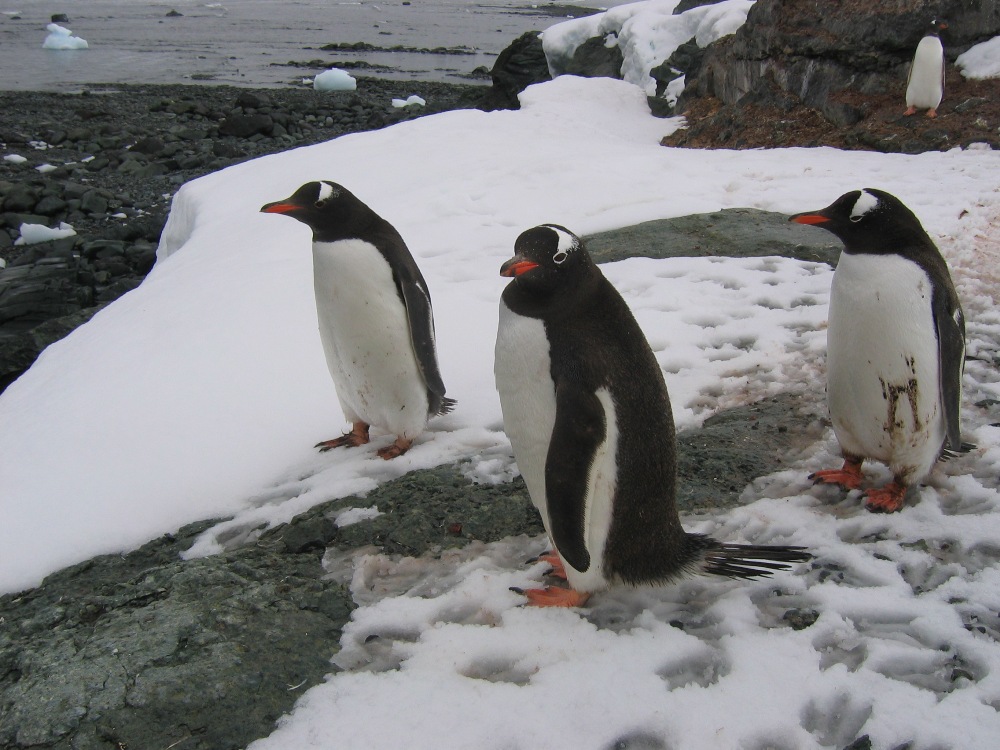
First we have the gentle Gentoos,
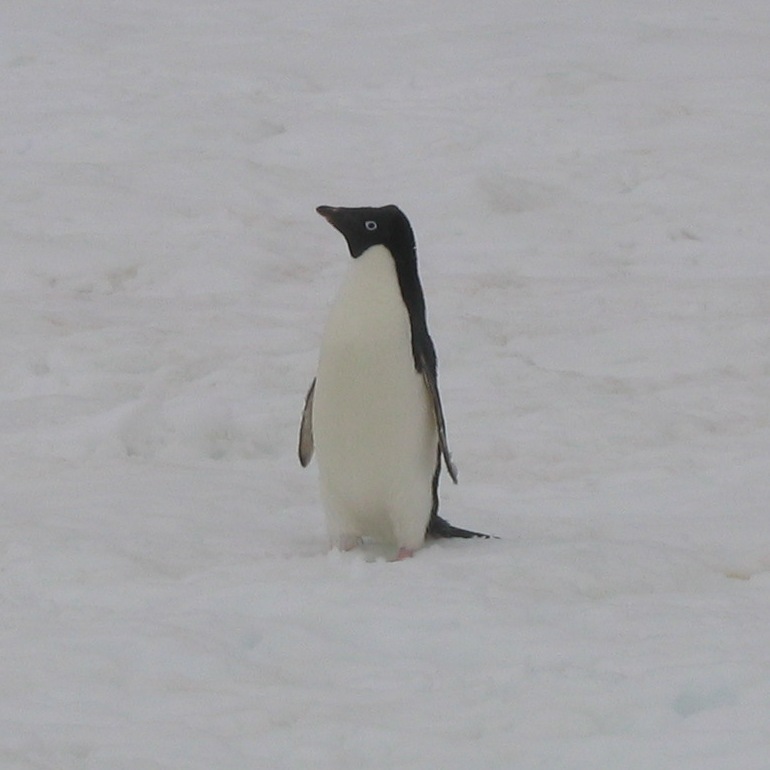
and then we ran across something new - an Adelie penguin.
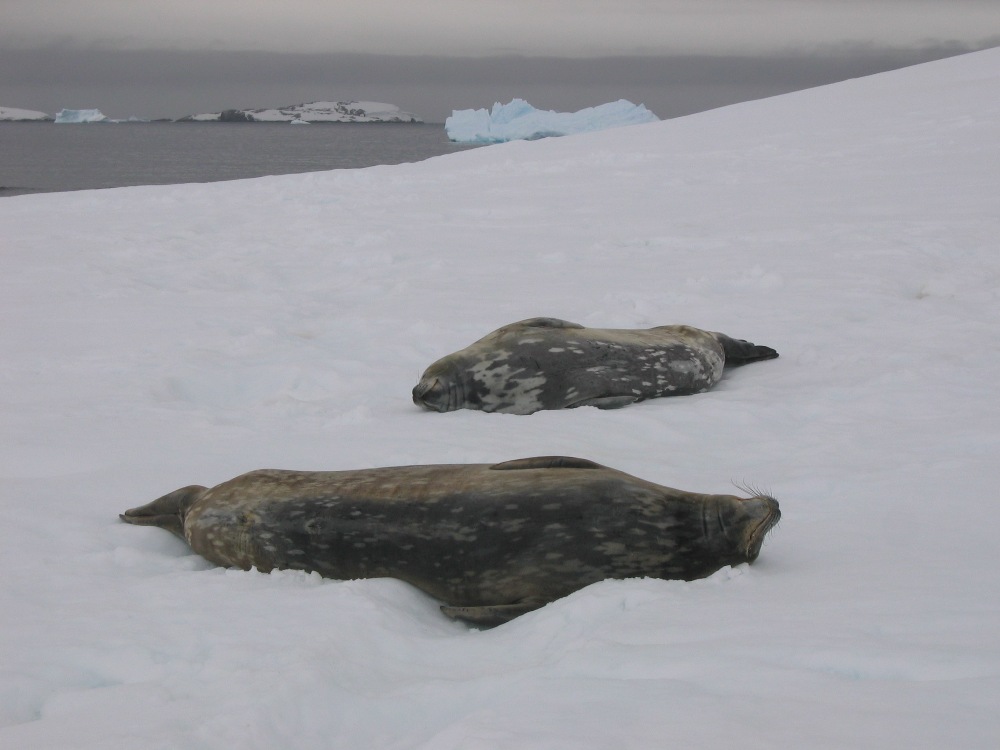
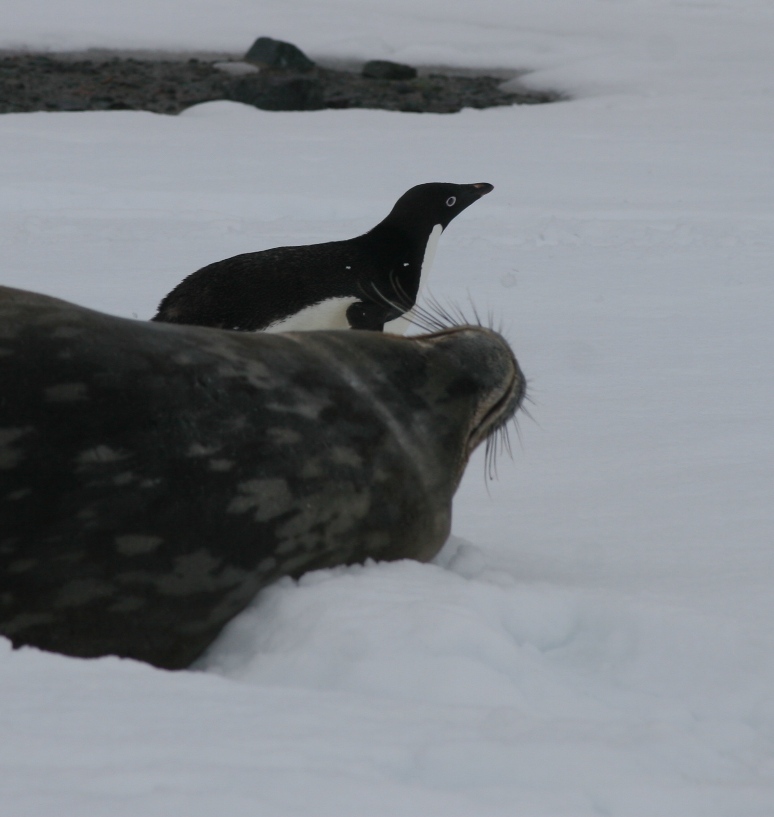
A couple of Crabeater seals resting in the snow,
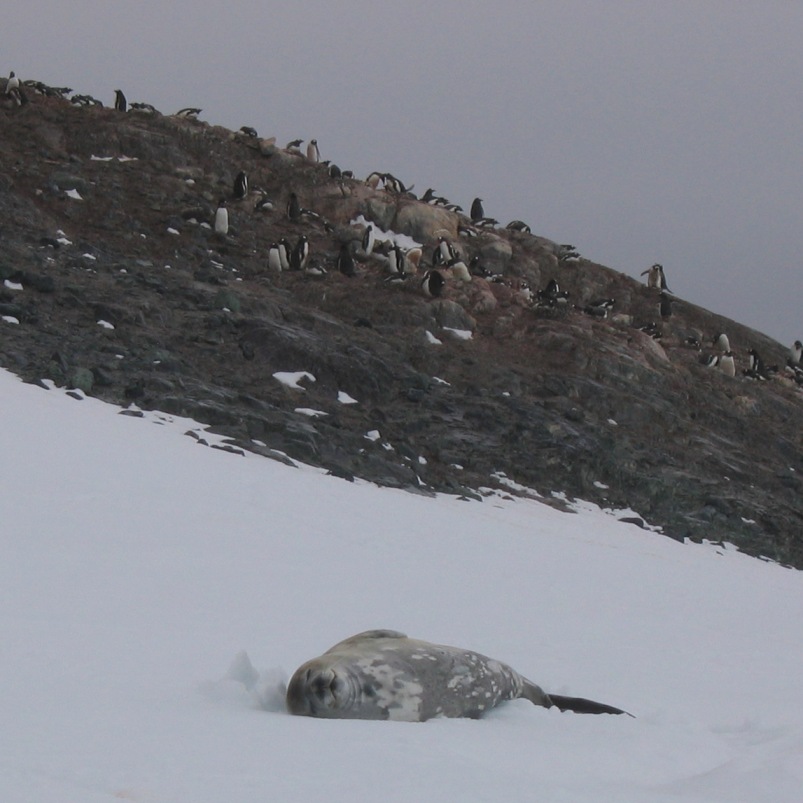
and a Weddell not far away.
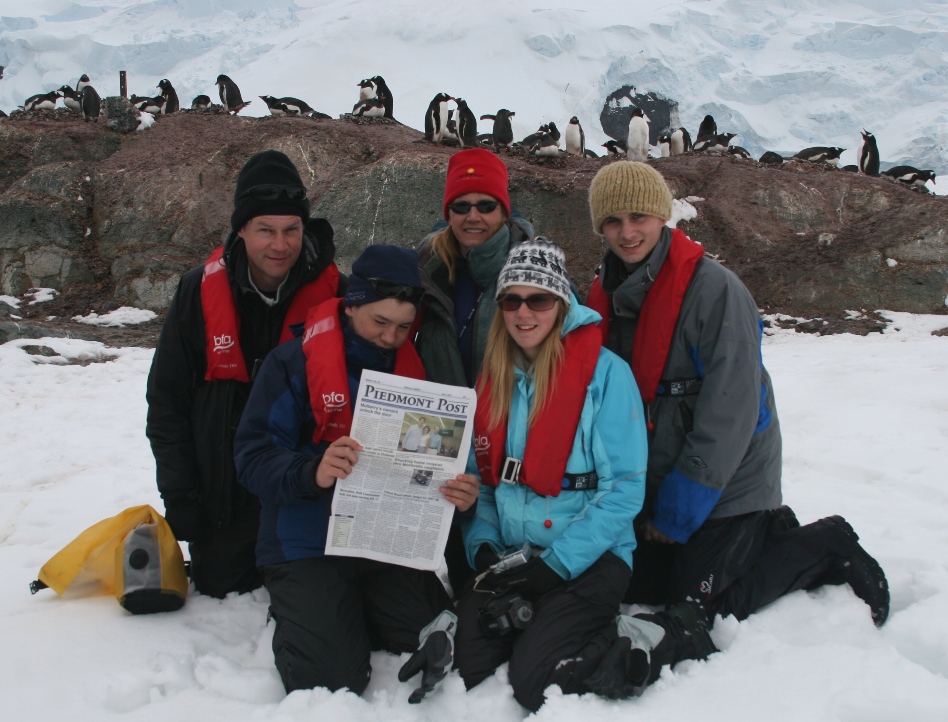
And a family of humans huddling (once again) for warmth. We couldn't resist hauling out the home-town paper!
**************************************************************
...and last but not least - each night the expedition staff of our cruise hold a short meeting to go over what happened during the day (what we saw), answer questions, and review the expected itinerary for the next day. At today's meeting, our expedition team leader Jill informed everyone of an interesting event that had happened the previous evening. She told us that fairly late at night, she received a page from the captain requesting her presence on the bridge. "Jill, we have problem," he informed her in stern, Ukranian accented English. A few minutes earlier, he had received a distress signal from another cruise ship requesting assistance, and our ship, the Ocean Nova, just happened to be the nearest ship to respond to the call. By all proper nautical protocol, we were obligated to abandon our current course (and our current cruise itinerary) and head for the distressed Fram. The captain of our ship had started to sail full-speed towards the Fram.
The 2007-built Fram is one of the newest and largest expedition ships afloat, but it still encountered engine difficulties , and without propulsion, it had no way to purposefully avoid obstacles (like icebergs or a rocky coastline). Apparently the ship drifted into the icy wall of a glacier. With a super-strong double hull, the ship may have not been in serious danger of sustaining the kind of damage that would sink it, but one of the lifeboats hanging alongside on the top deck (and protruding out a little from the side of the hull) was quite severely crunched.
The crew of the Fram resolved their engine problem soon after the collision, and notified our captain that assistance was no longer needed. He turned back to where we had come from, and none of the tourist passengers of the Ocean Nova new a thing about it (until Jill debriefed us).
Without a full set of seaworthy lifeboats, the Fram was required to return immediately to Ushuaia. Fortunately for those of us on the Ocean Nova, we did NOT have to cruise all the way to the Fram, offload the passengers of a ship carrying almost 4 times as many people as ours, and then return directly to Ushuaia overstuffed in our cabins and without having been able to complete our own itinerary. But the over-riding message from Jill was quite clear - the Polar regions are extreme environments where small problems can become big ones very quickly. And if it was our ship with the problem, we'd be depending on someone else to come to our rescue. It goes with the territory, and we should be well aware of the responsibility as well as the risk.
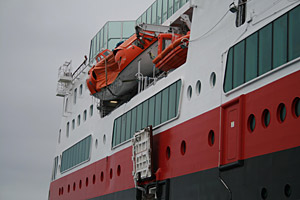
MS Fram (after drifting into the wall of a glacier)
Point taken. We'll all breath a sigh of relief. Now lets go see more penguins!
- Rolf