Drake Passage - Aitcho Island
Smooth Sailing & A Penguiny Birthday Party
Friday December 28, 2007
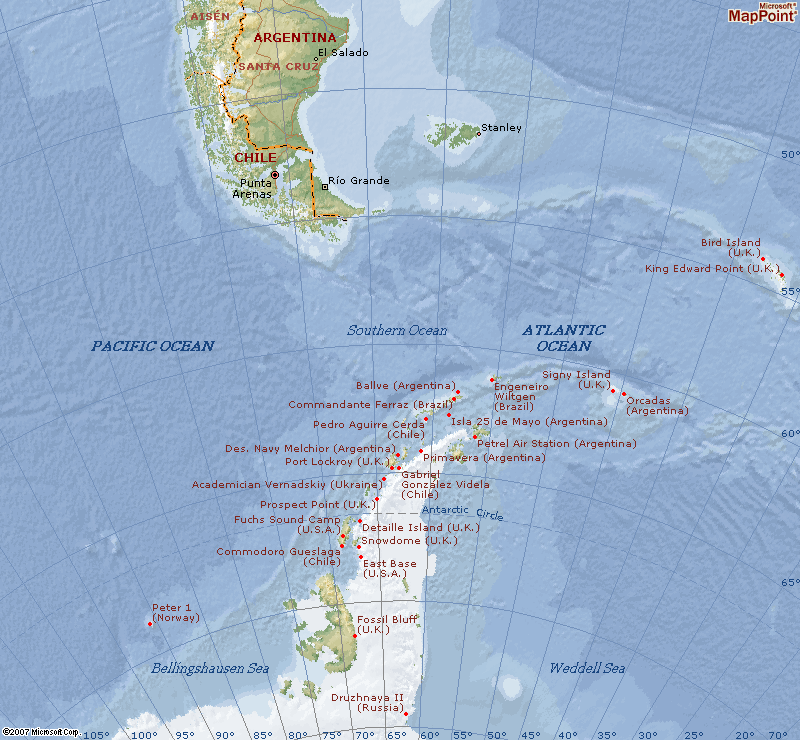
The ocean gap between South America and Antarctica, which opened approximately 20 to 25 million years ago, allows a strong, Antarctic, circumpolar current to flow uninterrupted around the Antarctic continent. This gap is now called the Drake Passage. During the Drake crossing we entered the Antarctica as defined by one of several definitions - this one being all ocean and land contained south of the Antarctic convergence. The Antarctic convergence is a fluctuating boundary located between 50 and 60 degrees south latitude and stretches more than 20,000 kilometers around the southern continent. It is a sharp boundary, characterized by a change in temperature, salinity, and nutrient levels in the sea water. Within this zone, the colder, denser, north-flowing waters of the Southern ocean sink beneath the warmer and less dense sub-Antarctic waters. The Antarctic waters rotate in a clockwise direction (viewed from above the south pole), and carry almost 5 billion cubic feet of water every second - 135 times the flow of all the world's rivers combined.
*********************************************************************
Between Tierra Del Fuego and the Antarctic Peninsula, the Drake passage is not much more than 500 miles across, allowing a relative slow expedition ship like our Ocean Nova to make the crossing in a couple of days.
You can click either of the following two maps for an on-line map that can be panned and/or zoomed.
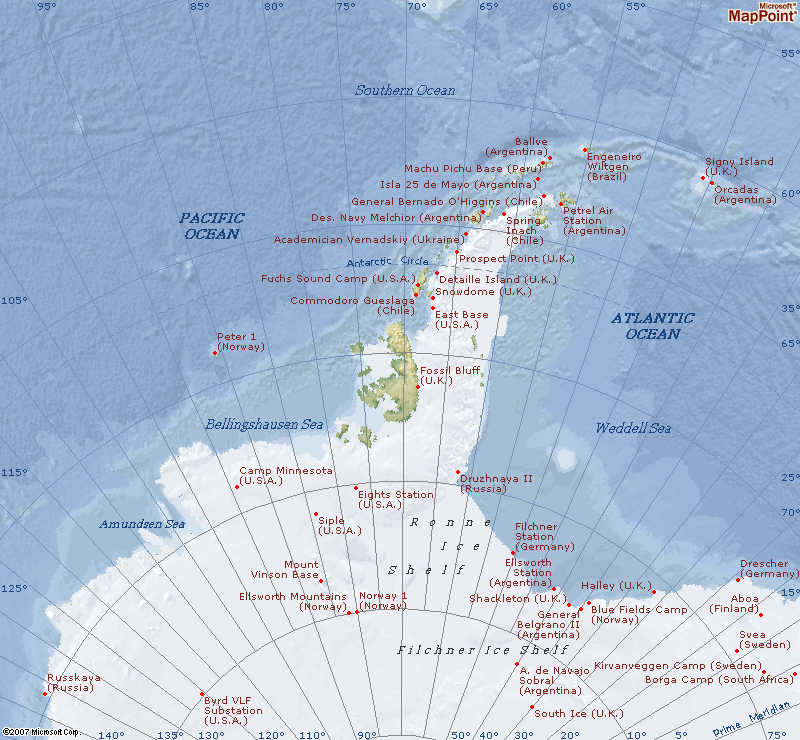
Cruising through relatively calm seas and pushed along by a comfortable tailwind, we crossed the Antarctic Convergence sometime early Friday, and then sighted the northern coast of the South Shetland Islands late in the afternoon. The entire Drake Passage crossing had gone quite smoothly and without much if any seasickness suffered by the passengers. To pass the time during the passage, expedition staff (our tour guides) on-board ship gave presentations about geology, wildlife, and human history in Antarctica. The ship historian, Louie, showed us pictures he had taken on Christmas day during the ship's northbound Drake crossing 48 hours earlier. Thirty foot swells and 100 mph ravaged the Drake and tossed the ship to and fro. All passengers had to stay inside their cabins. I guess we lucked out this time (but we'd have our own return trip to contend with eventually as well...).
Lower than average winds meant a lower than average concentration of seabirds were following the wake of our ship looking to surface feed on anything we might have tossed to the surface. Still, we were able to see some beautiful and majestic birds...
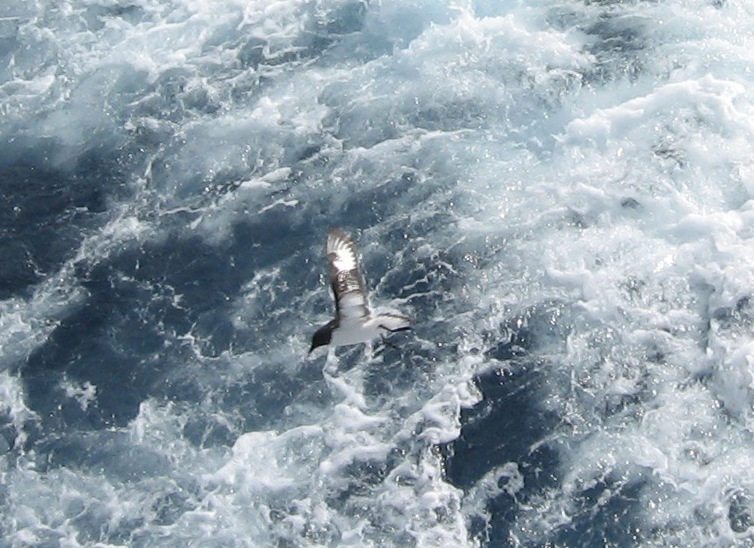
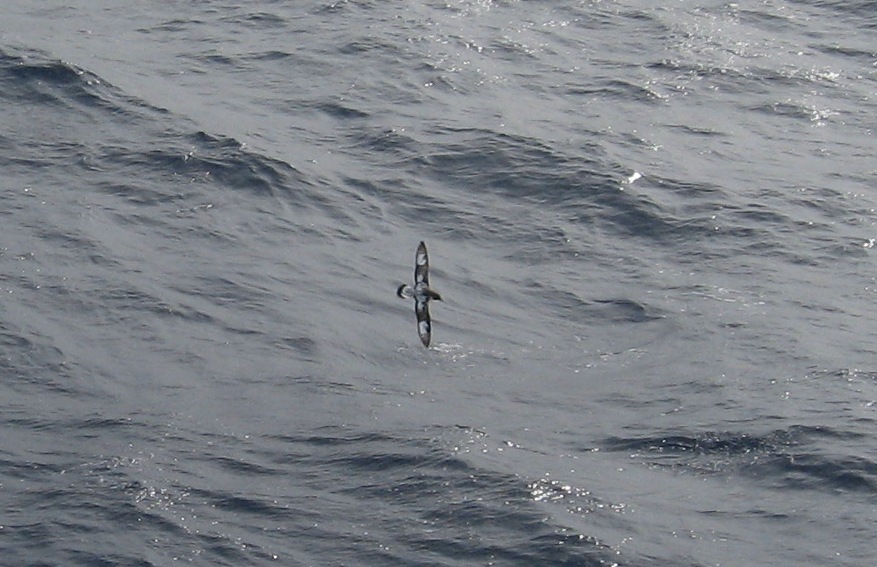
...like the Cape petrel,
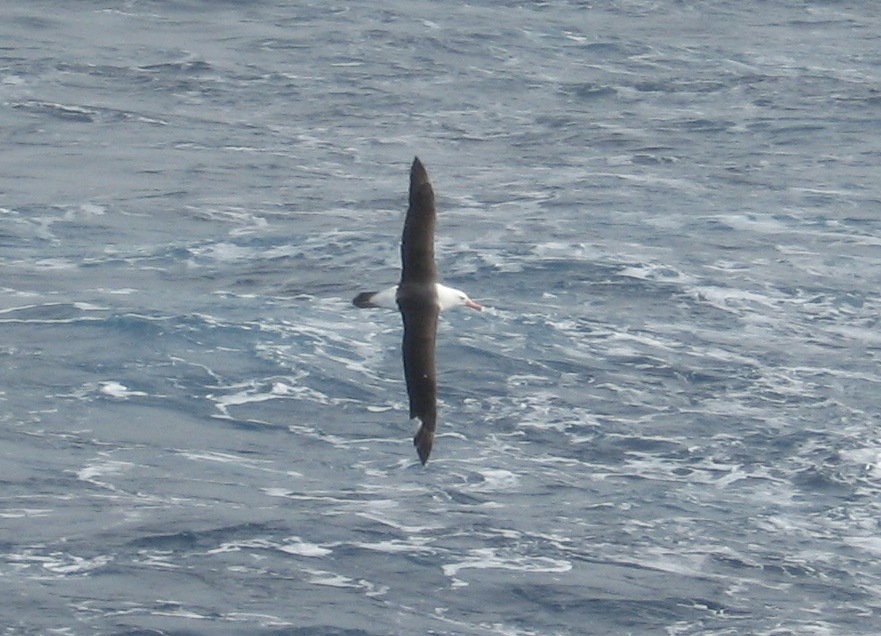
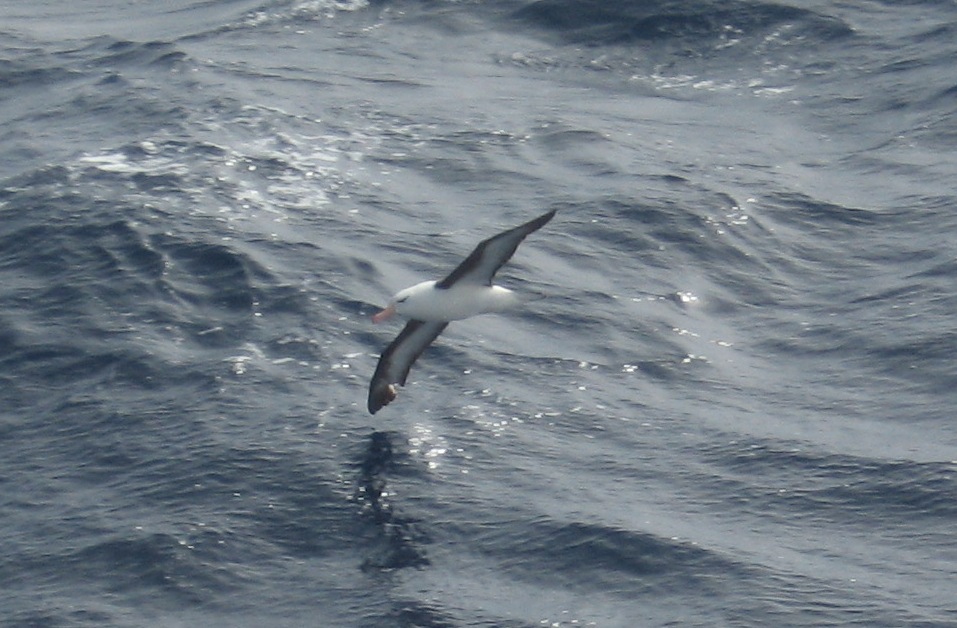
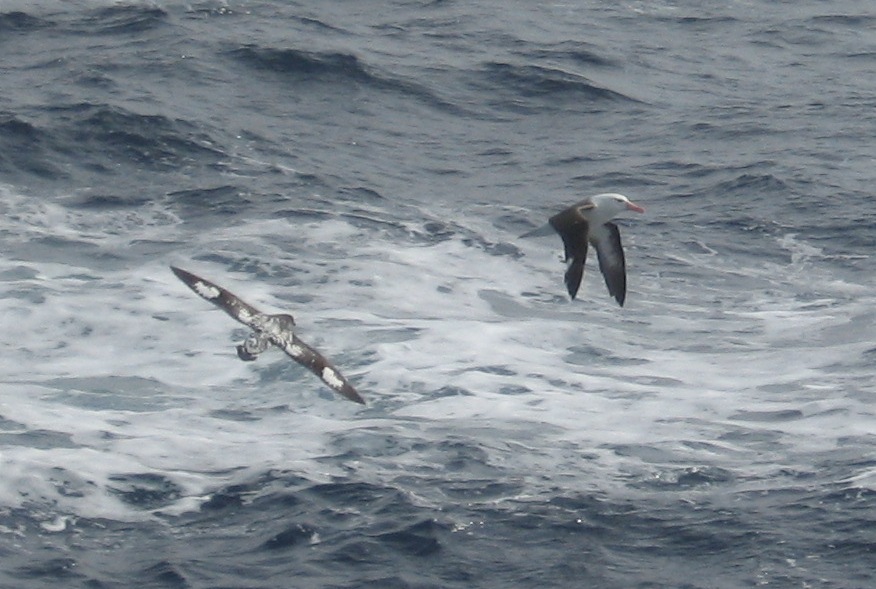
Black-Browed albatross,
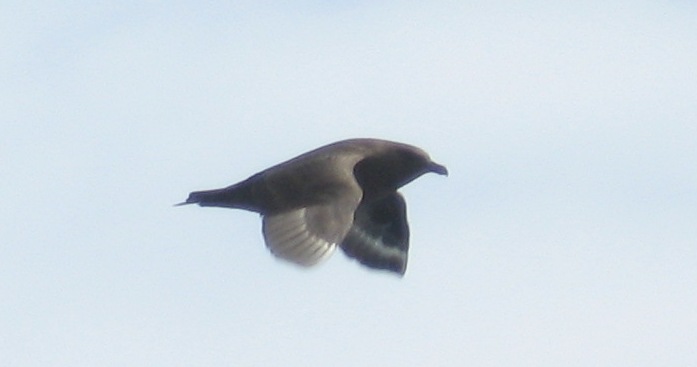
and Sooty albatross.
It may not be apparent from the pictures, but the Black-browed albatross is very large, with a 6-8 foot wingspan. We also saw several Wandering albatross, which have wingspans of over 10 feet. We couldn't get very good pictures because they are extremely fast moving and did not come in close to the ship.
**********************************************************************
Friday was special for sever reasons. Not only did we cross into "Antarctic waters," but Anna and Tom turned into 14 year-olds as well. The ship crew carefully reviews the passenger passports, and birthdays are duly noted and celebrated.
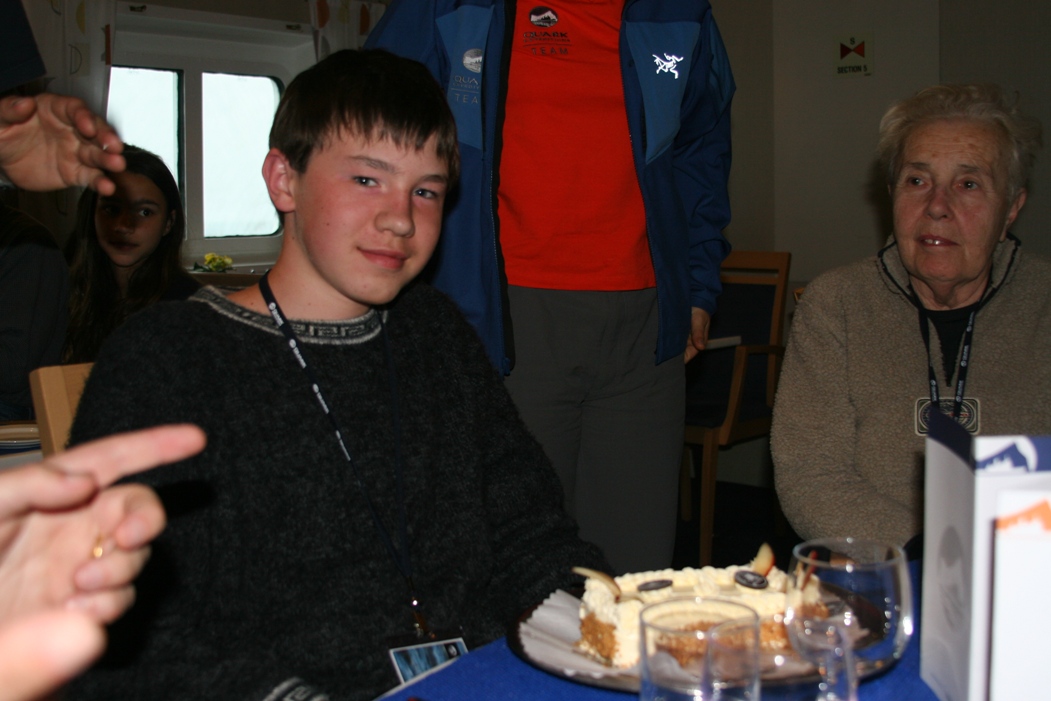
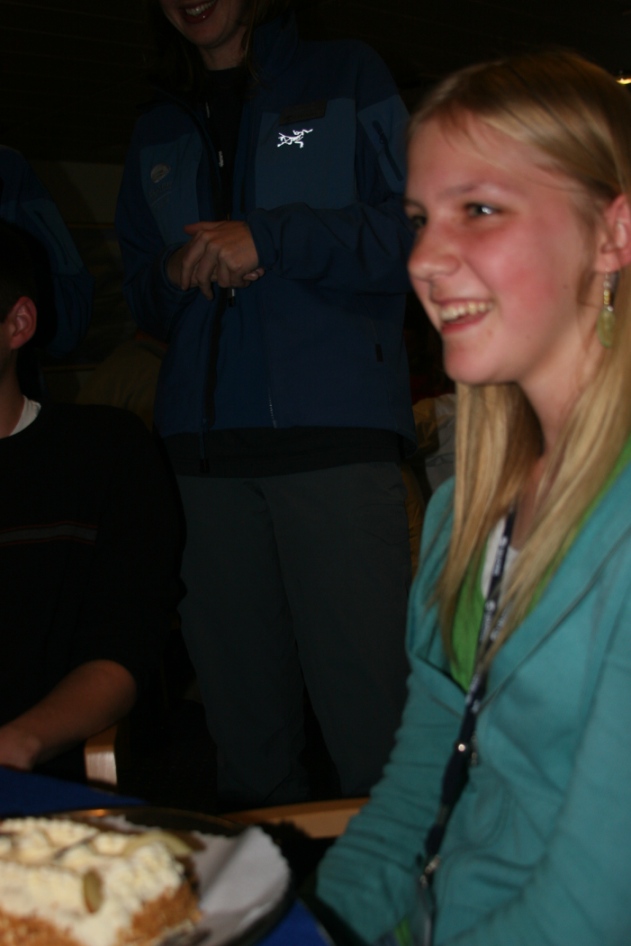
Cake at dinner. Happy Birthday Tom and Anna!
And the bonus birthday present - an evening shore excursion at Aitcho Island in the South Shetland archipelago. "Aitcho" is a phonetic conversion of an acronym for what the island was originally called - "Hydrographic Outpost." Since the initial research activity stopped long ago, they've decided to give it a real name - Aitcho. Pretty unimaginative, but with all the thousands of islands, bays coves, mountains, and glaciers all clustered along this relatively tiny finger extending north from the continent of Antarctica, most places that aren't inhabited or regularly visited by humans (which means most of the places!) go un-named. We didn't care much about the lack of an interesting or descriptive name; this was our first chance to see and smell penguins up-close and personal. They are comical, clumsy, and not the least bit shy or afraid of people.
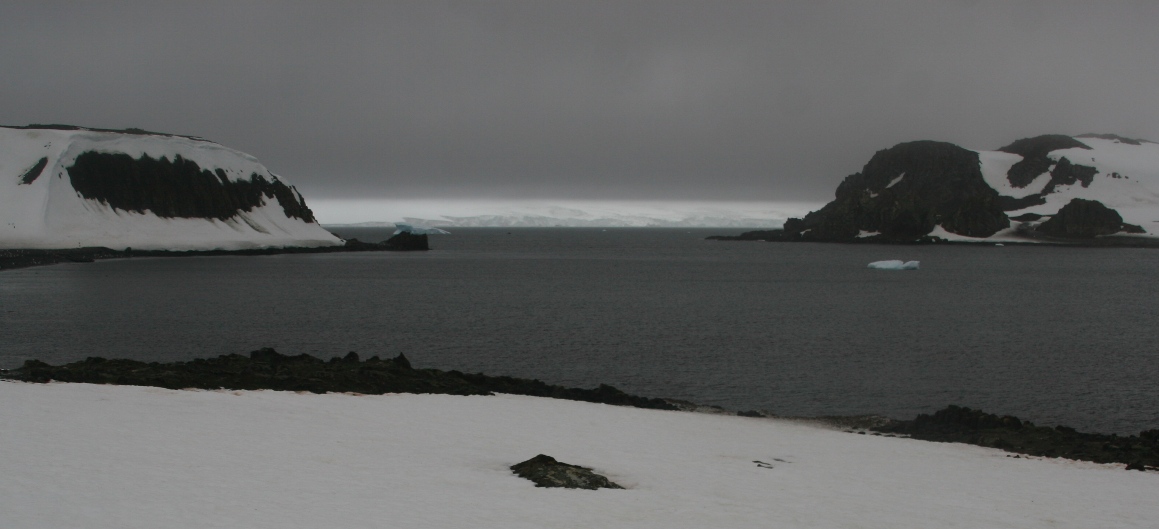
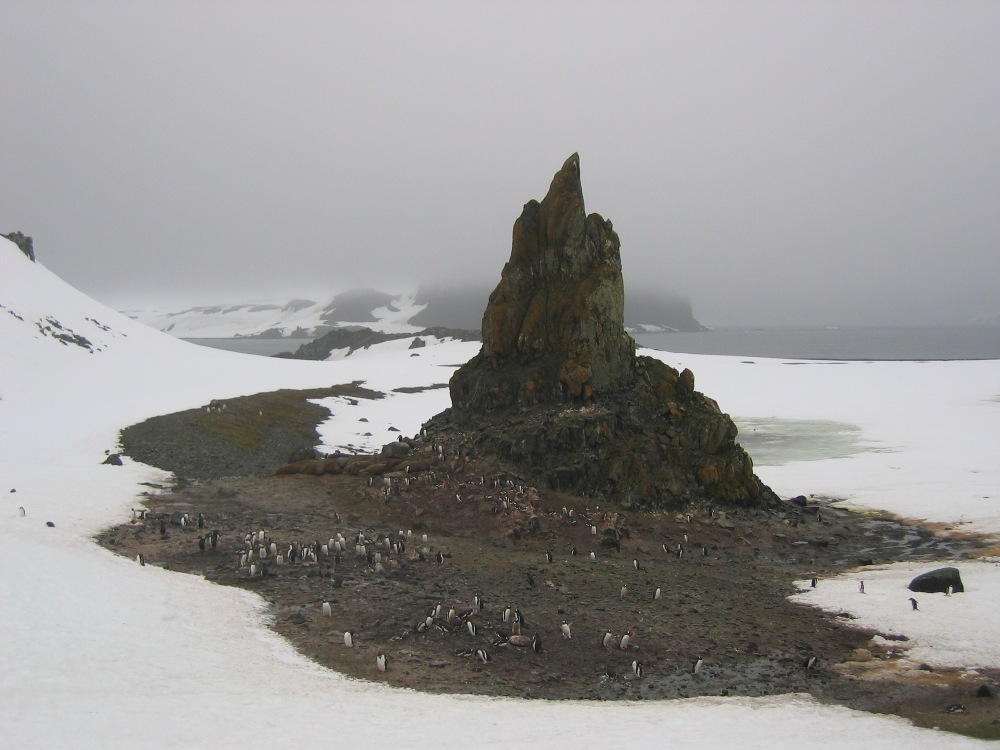
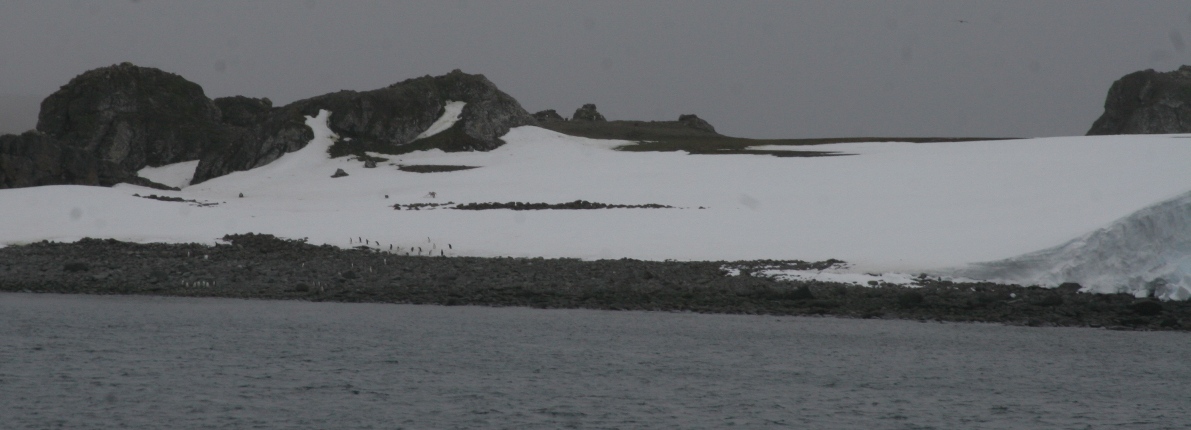
Aitcho Island.
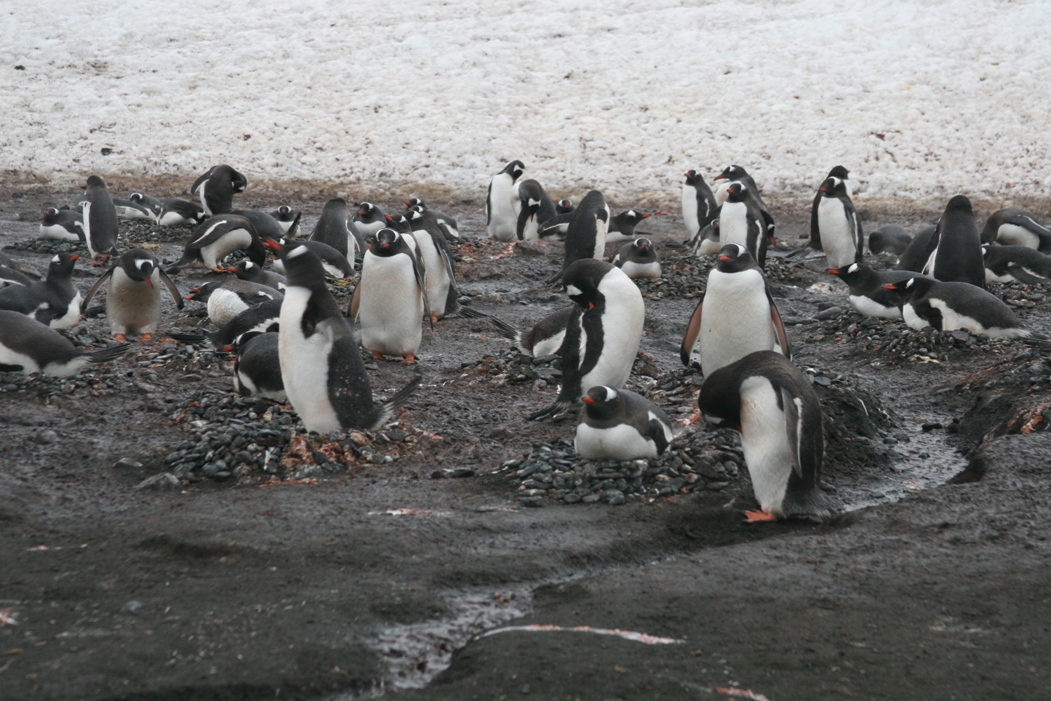
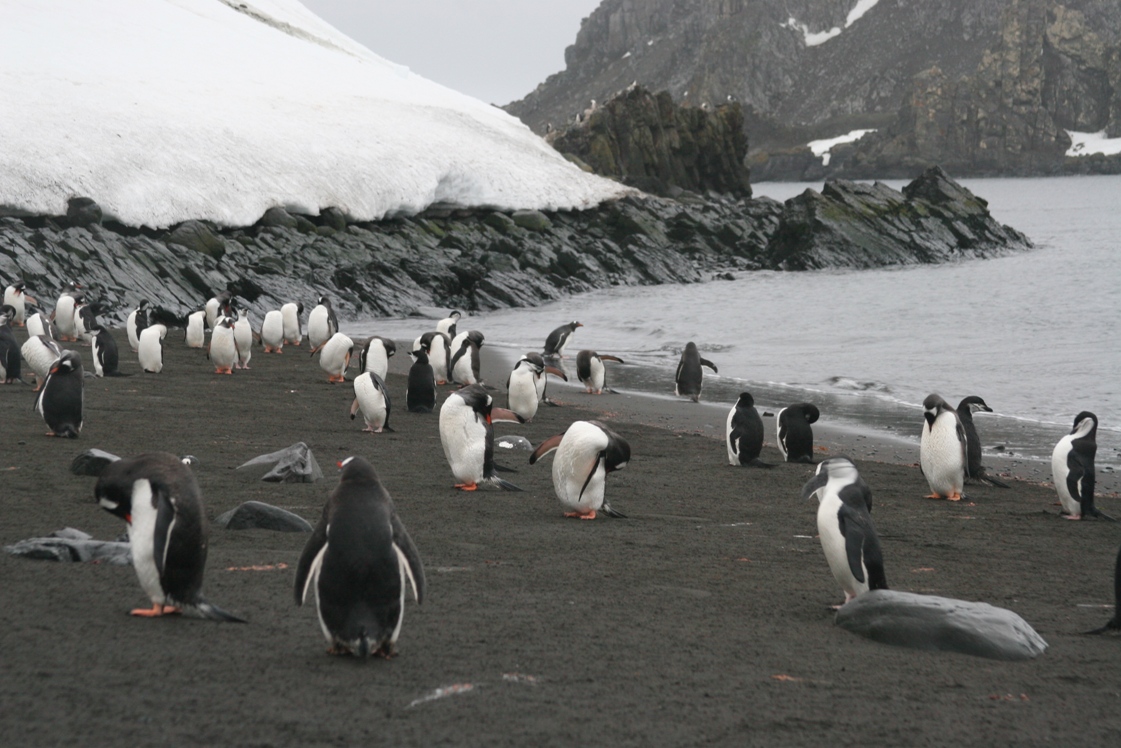
Penguins on the beach.
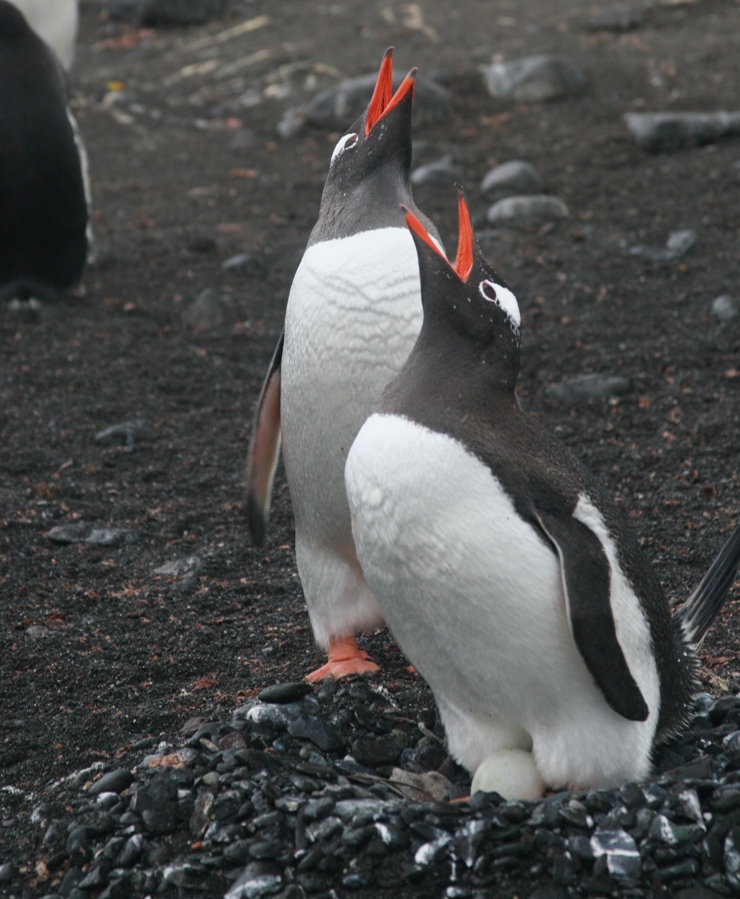
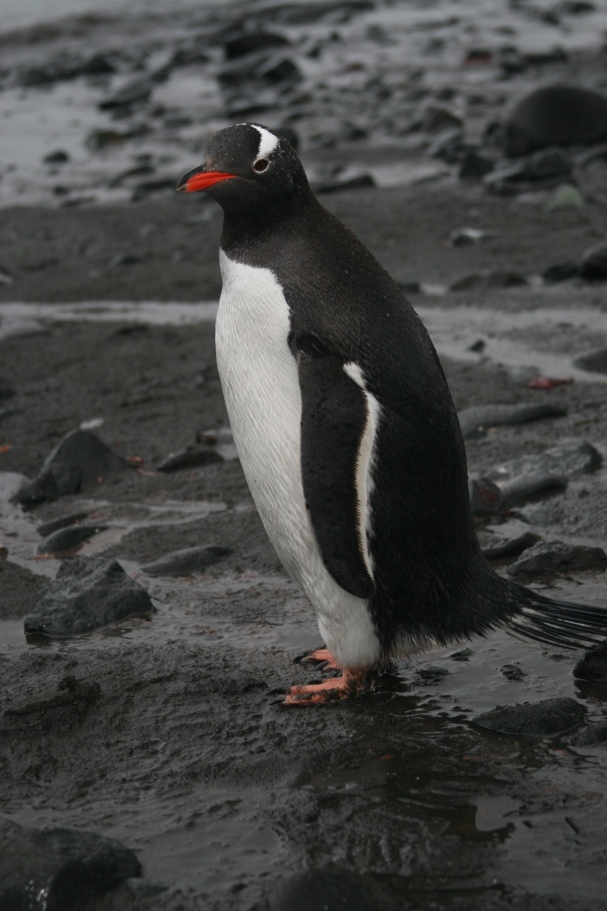
This is the Gentoo punguin.
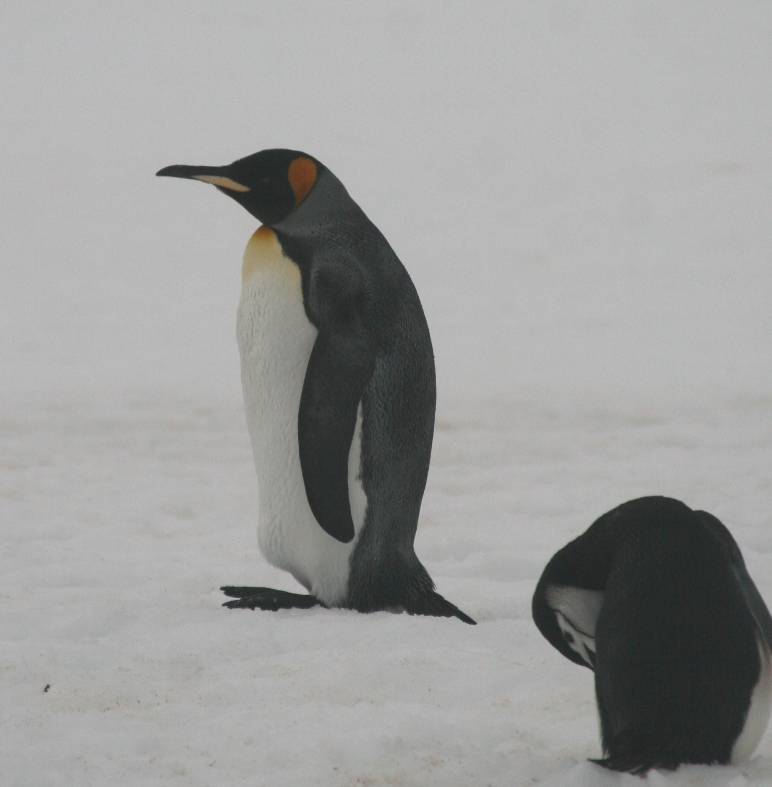
A stray, solitary (non-breeding), King penguin hung out on the snow bank.
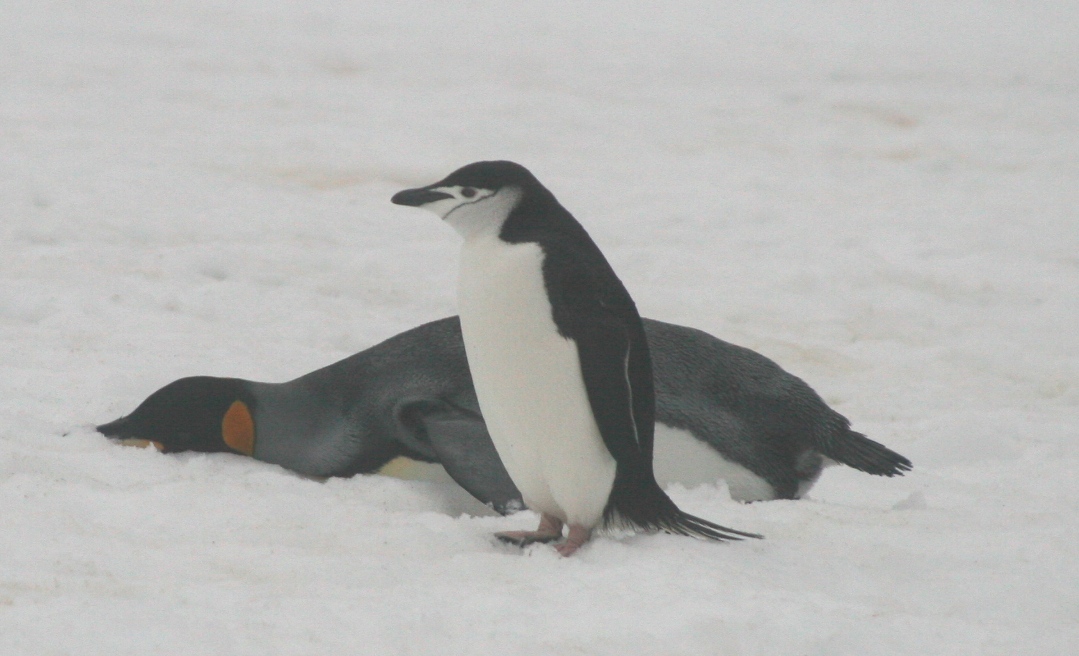
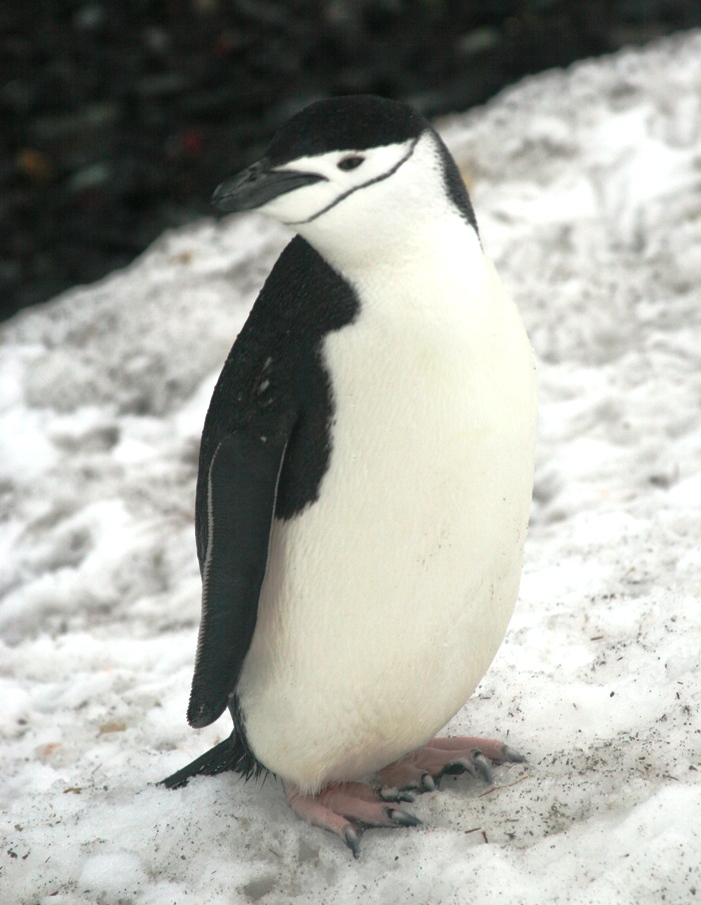
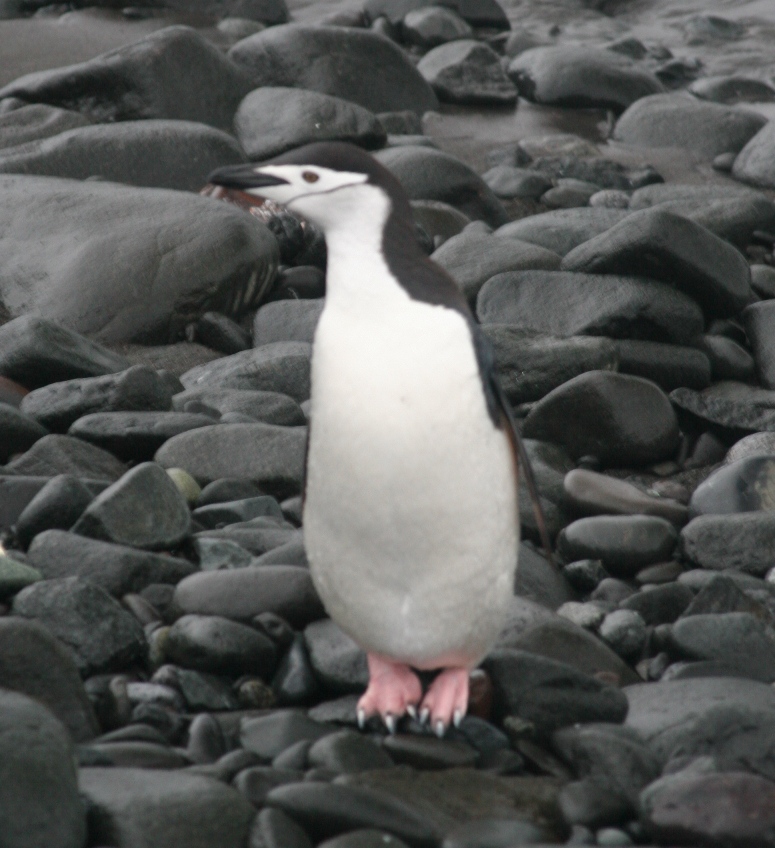
These are Chinstrap penguins - so named for an obvious reason.
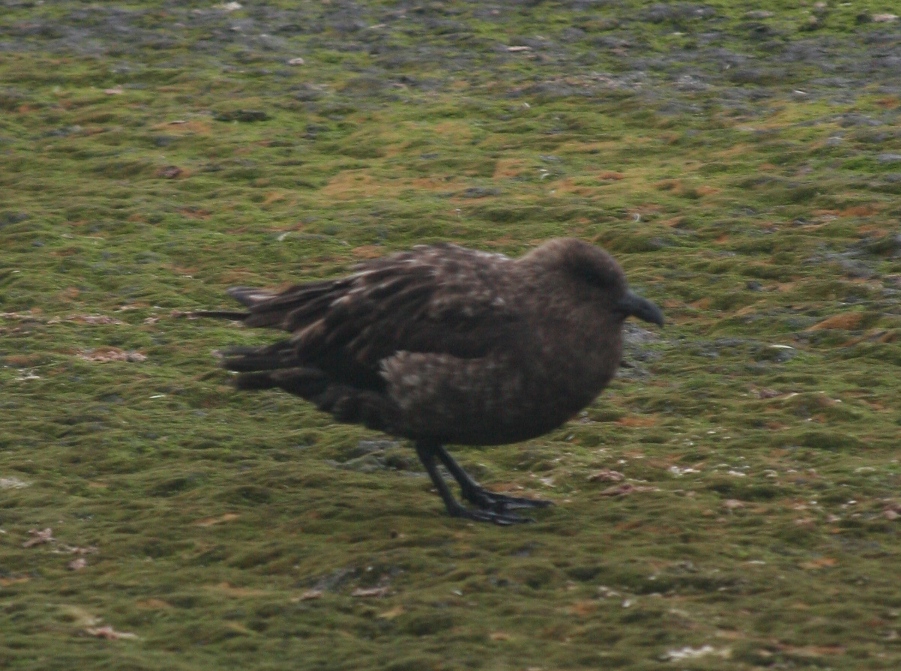
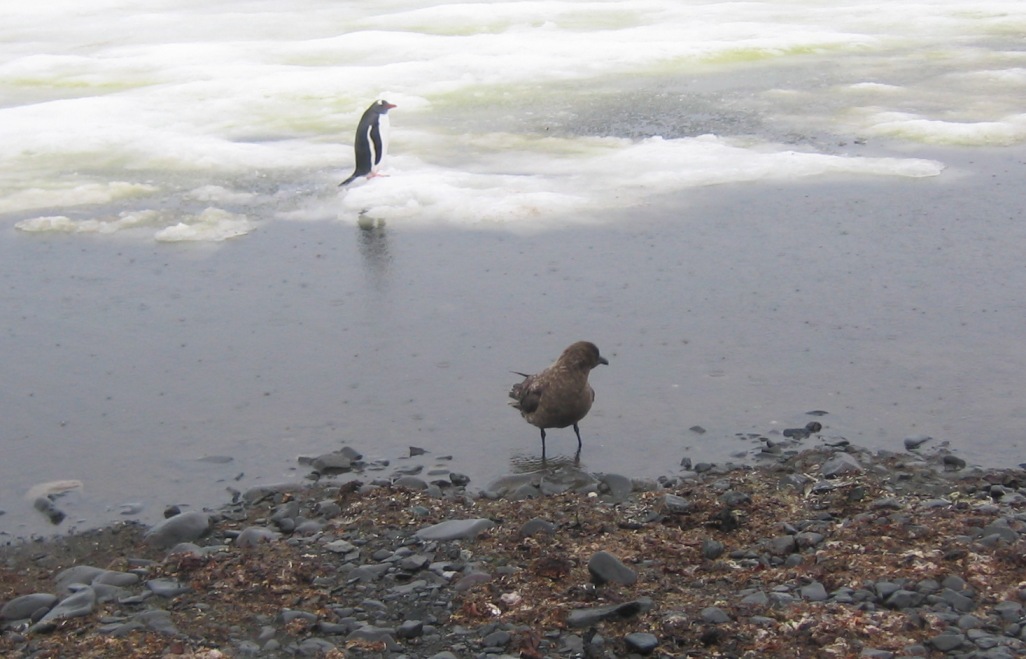
And where there are breeding penguins, there are usually Arctic Skuas as well. these birds live of scavenging penguin eggs and/or chicks.
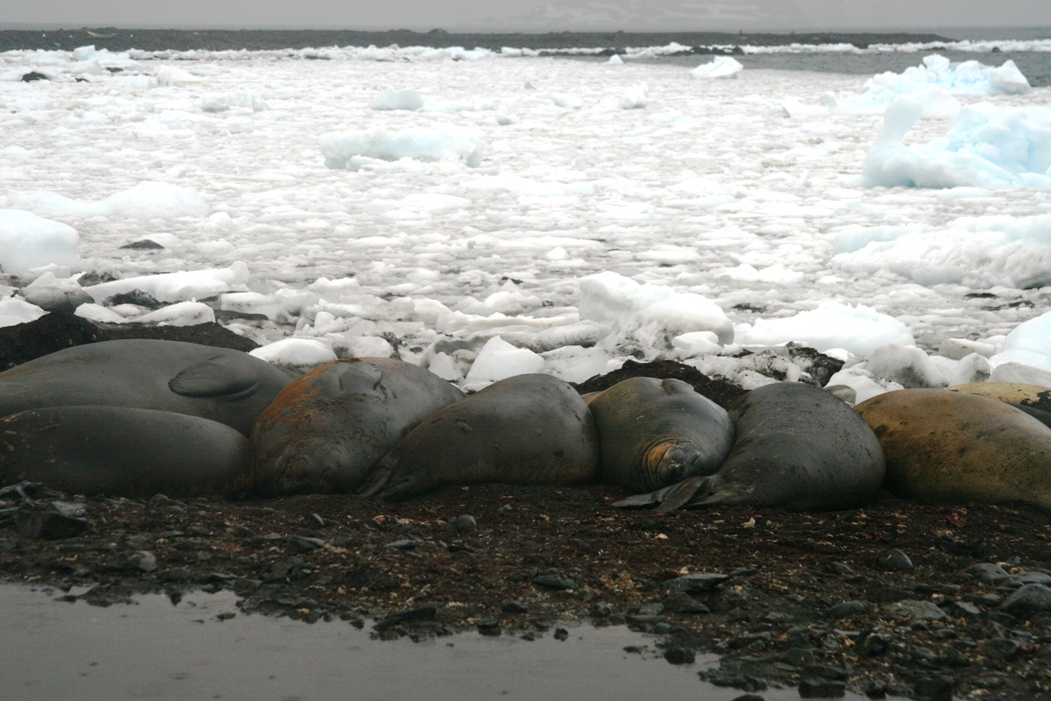
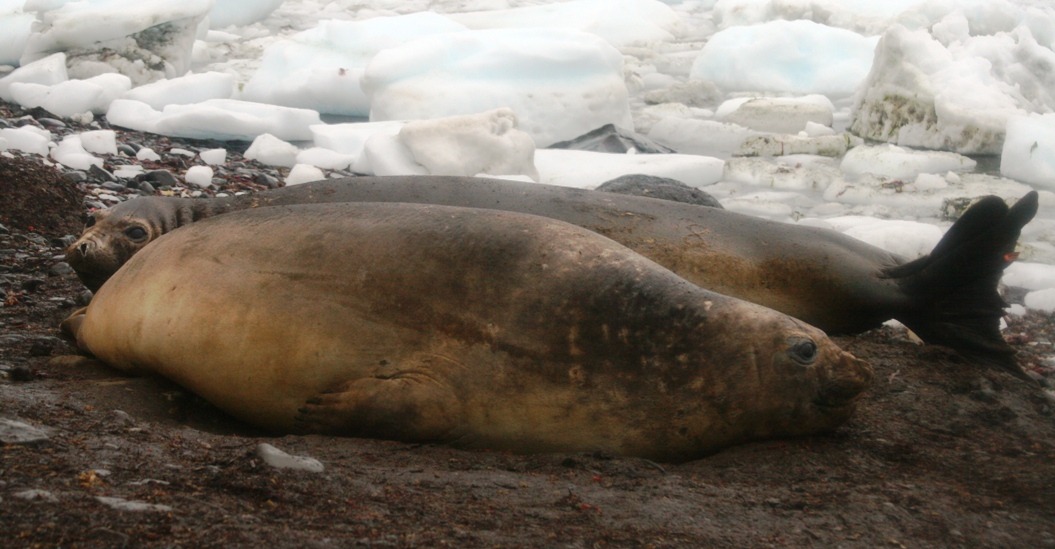
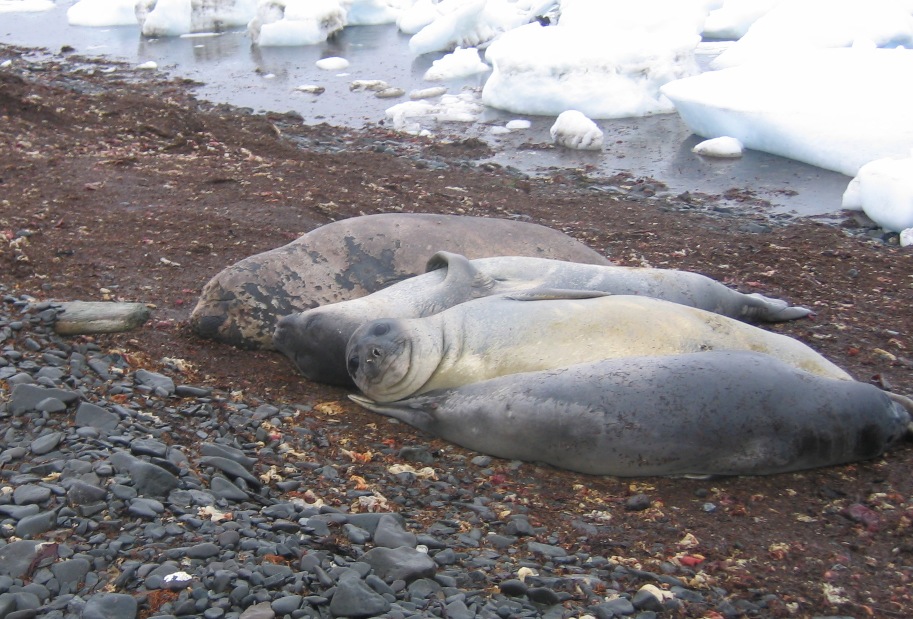
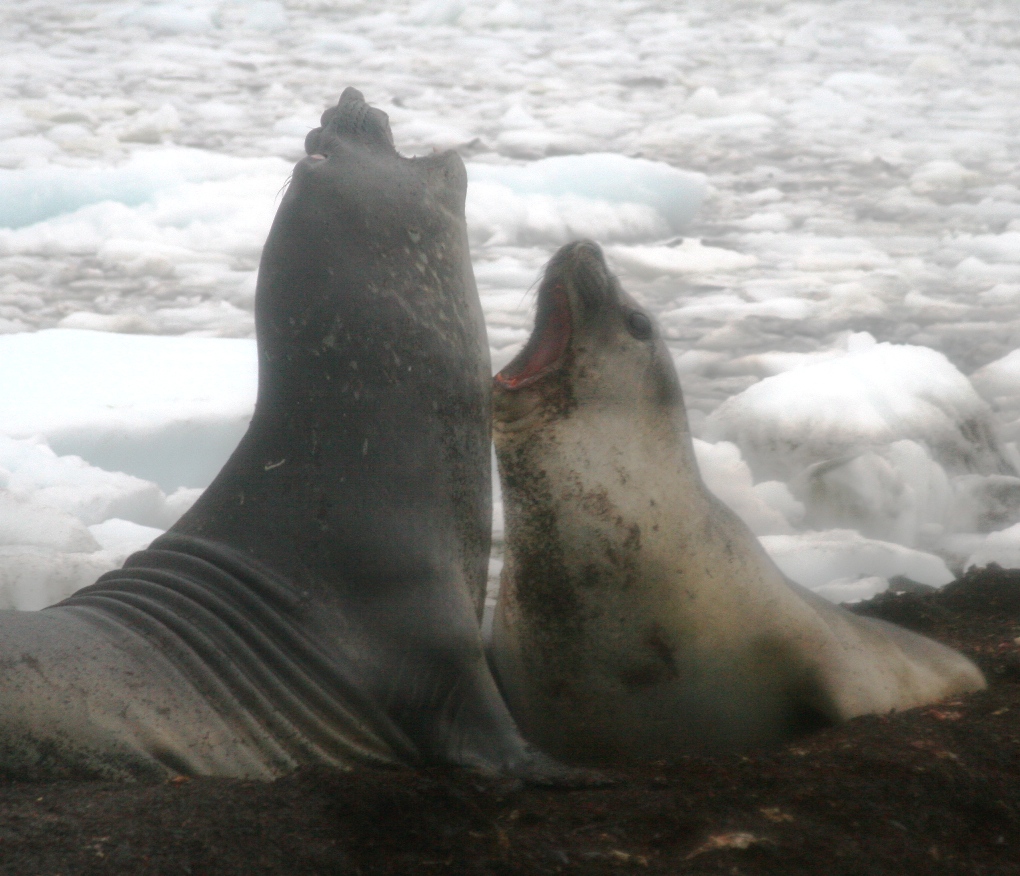
A cluster of Elephant seals resting on the beach.
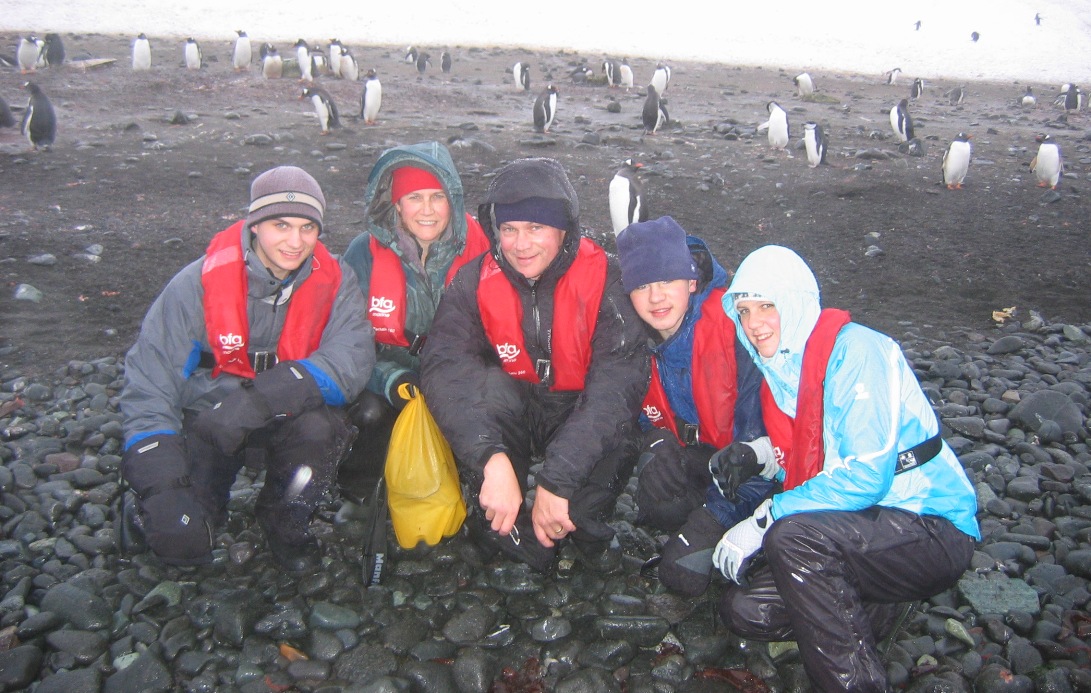
And a family of Wietelmanns, huddling together to stay warm.
-Rolf