Trelew - Hosteria Las Robinias
Back To The Future of Agriculture
Wednesday March 12, 2008
In the last journal entry I wondered if we'd be heading up the coast or back towards the mountains, and the answer turned out to be not exactly either. At least for the next two days. In general, we wanted to head for the mountains, but the best road eastward from this region departs from Trelew. Coupled with the fact that there is almost no human presence along that road during an almost 600 kilometer stretch between Trelew and Esquel (the next reasonable place to spend a night), this prompted us to decided to spend another couple of nights on a chacra just outside of Trelew before making the big push eastward.
Another reason to spend not just one night at Hosteria Las Robinias was the positive recommendations we had received from multiple sources, and they turned out to be well founded. The experience was one of the most memorable of our trip. Why? The scenery of the pastoral lower Chubut river valley is charming but not spectacular, and something we'd seen plenty of during our stay at Hosteria Los Mimbres a week ago. The river, its network of irrigation channels, and surrounding pastures of livestock support clouds of ravenous mosquitoes.
But Las Robinias was something unique and special in our travel experience. The owners, Laura and Rodolfo, have put the same personal heartfelt effort effort into the tourism branch of their livelihood that they put into the products of their all-organic, all-natural farm. Having only one extra "guest house," Laura and Rodolfo take in only one group of overnight visitors at a time. When it was our turn to stay in the little guest house at Las Robinias, we selfishly enjoyed their generous attention, home-cooked meals, and stimulating conversation at the dinner table. Rodolfo confided in me that they are only booked about one-third of the time, but that as far as he was concerned, in order to be able to do what was needed on the farm and for their teaching (both he and Laura also teach classes), this was "just about right."
During one of our two extended chats at the dinner table, Rodolfo told us that he had gone to graduate school in Montana to receive his Masters degree in agriculture, doing his thesis work on alfalfa. Then he spent the next 26 years working long hours at a "regular day job" for the Argentine ministry of agriculture. Eventually he decided that he'd rather take what he knew and work for himself, and he found a kindred and willing spirit in Laura, who he met after buying this small 3.5 hectare chacra and moving to Trelew.
For them, Rodolfo's experience and knowledge didn't translate into big agro-business, but a throwback to a multi-use, small family farm. The teaching and the tourism certainly help allow them to augment the income generated from their fruit, vegetables, rabbits, and cattle - farm products that are produced on a small scale and pretty much by hand. Other than Anna helping pick lettuce and cherry tomatoes, we enjoyed the fruits (and eggs) of the farm without having to contribute to the chores - but if we had stayed much longer I think I would have felt pretty guilty about the arrangement.
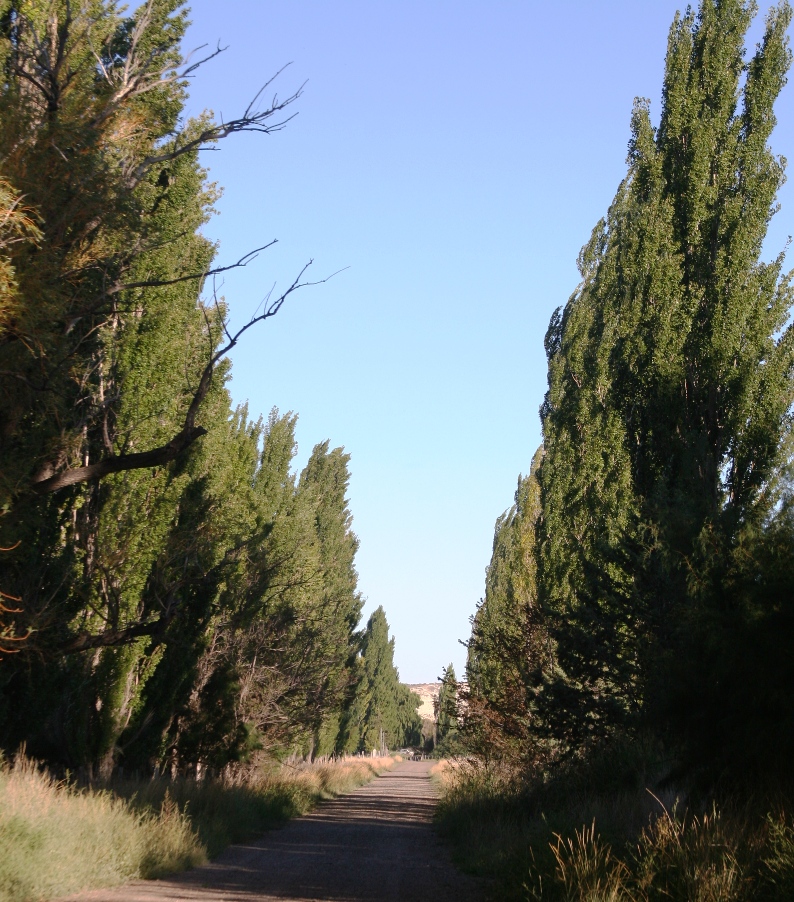
Two kilometers outside of Trelew, just after the paved main road crossed a bridge over the Chubut river, we turned left down this country lane. A few hundred yards later we were at the entrance to Chacra 107 - "Las Robinias."
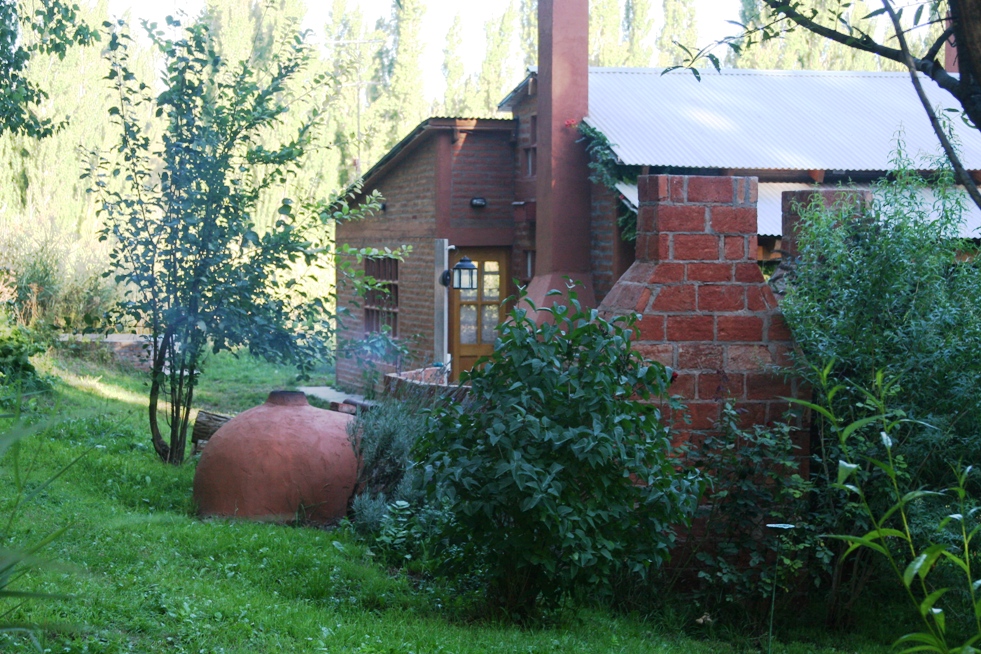
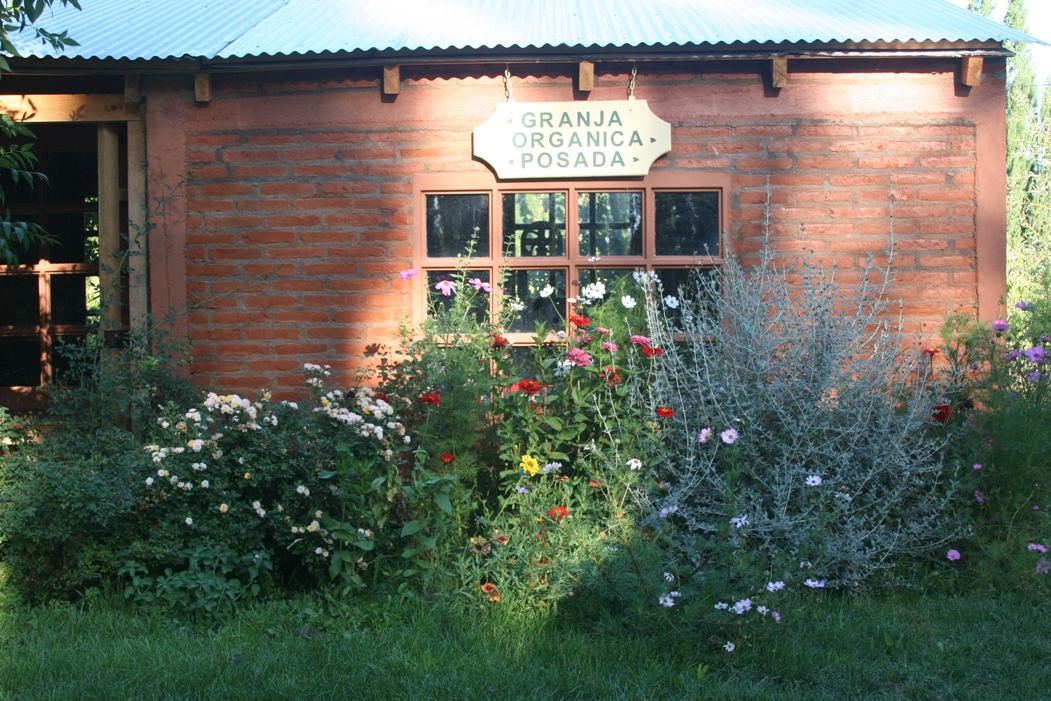
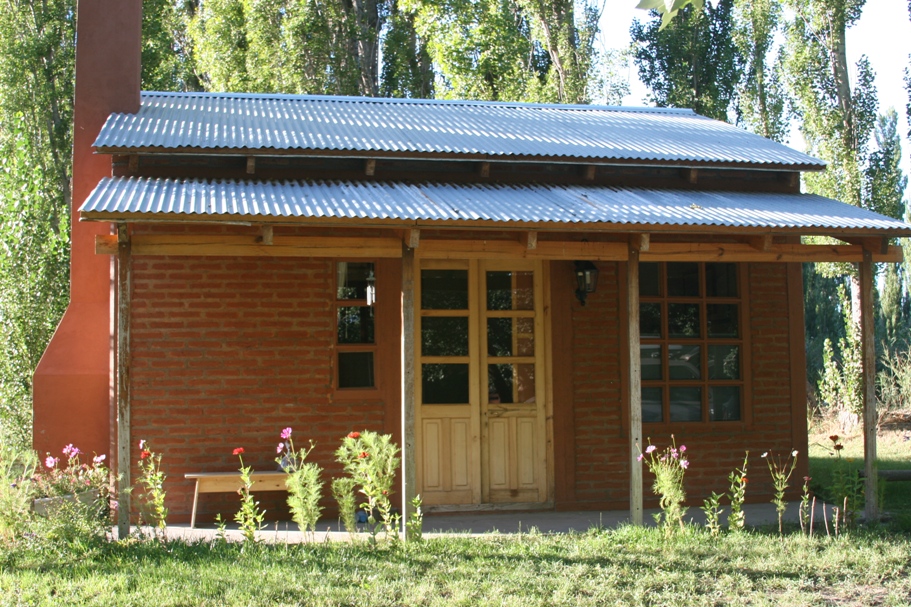
Left to right: Two views of the main house (which also has an attached workshop and painting studio) and one picture of the guest house.
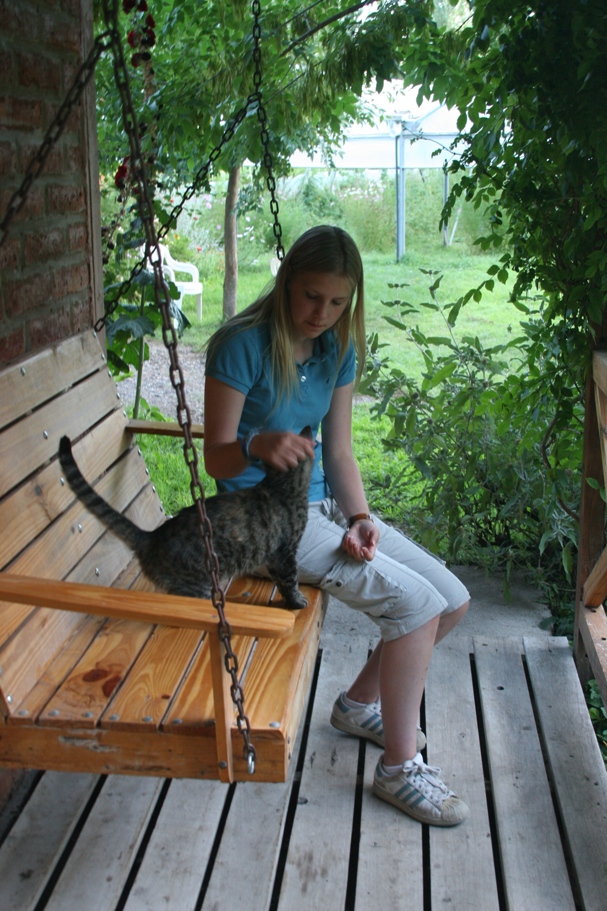
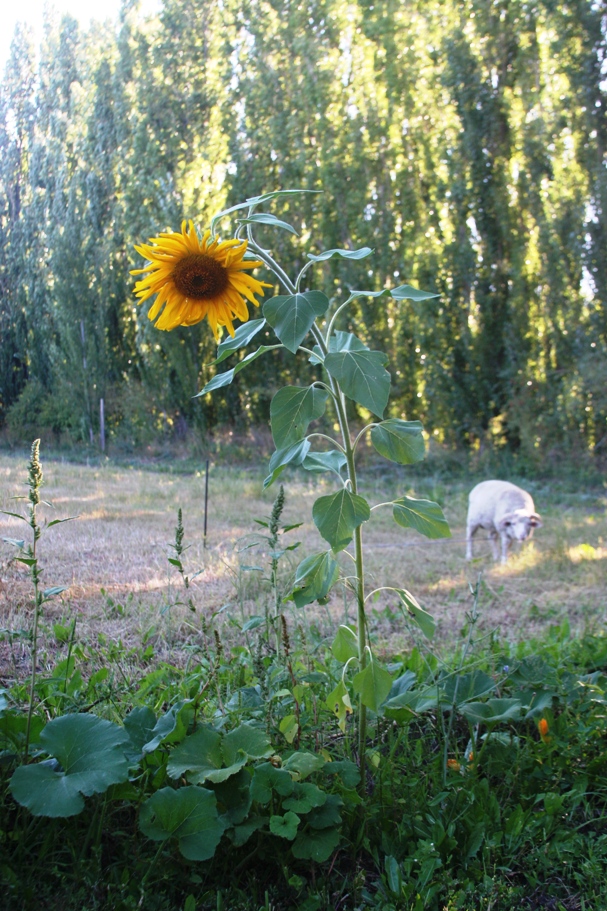
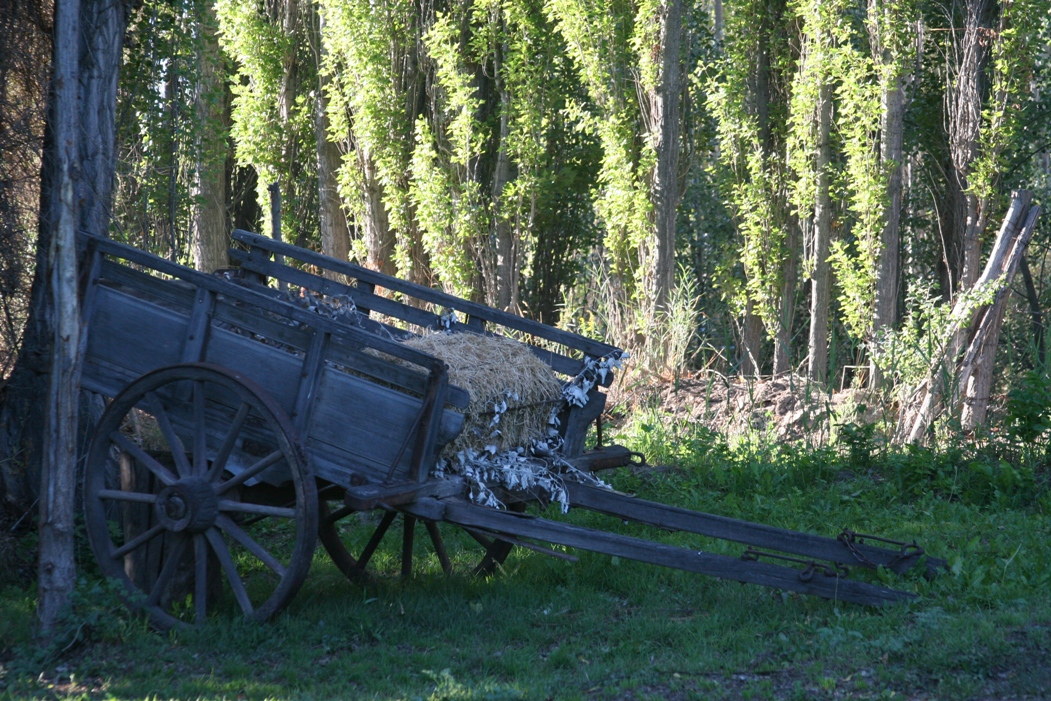
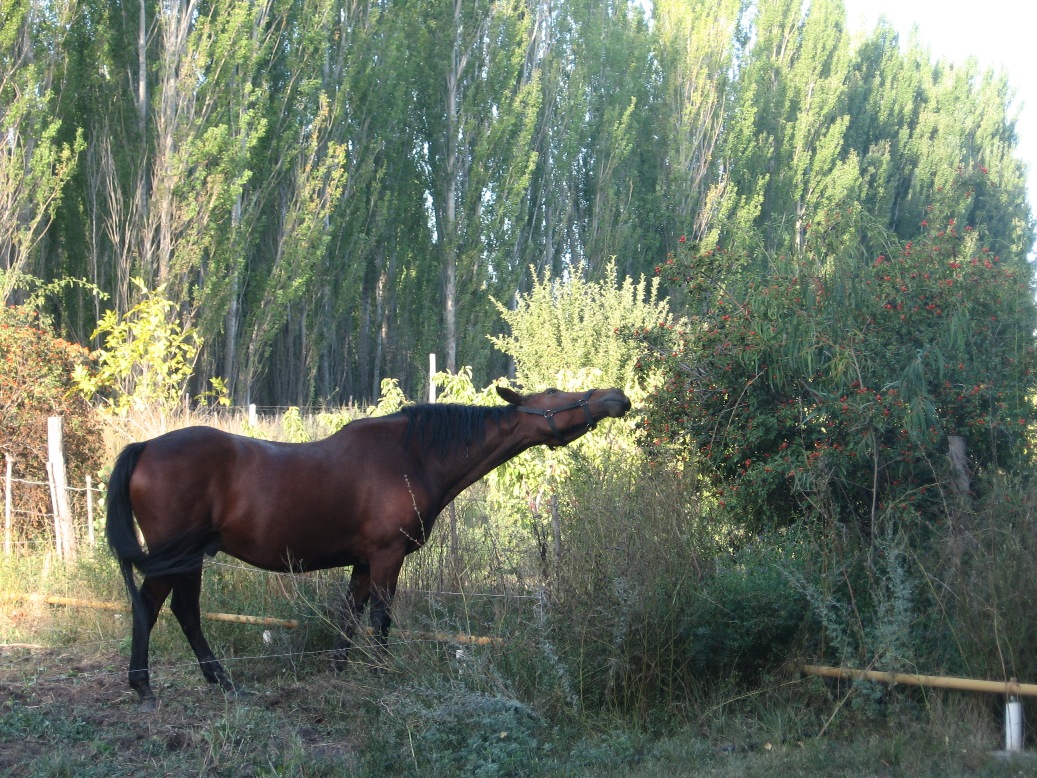
Assorted pictures taken near the houses.
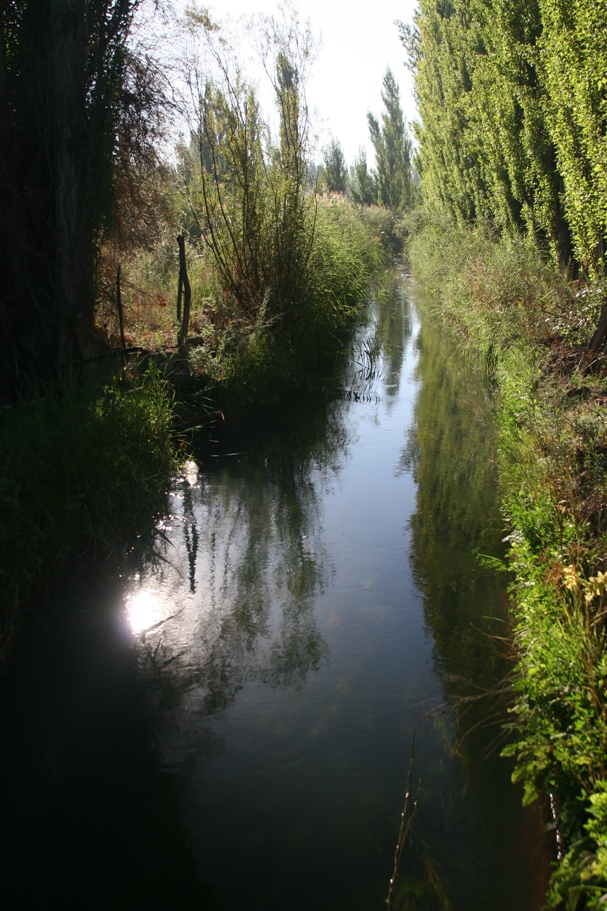
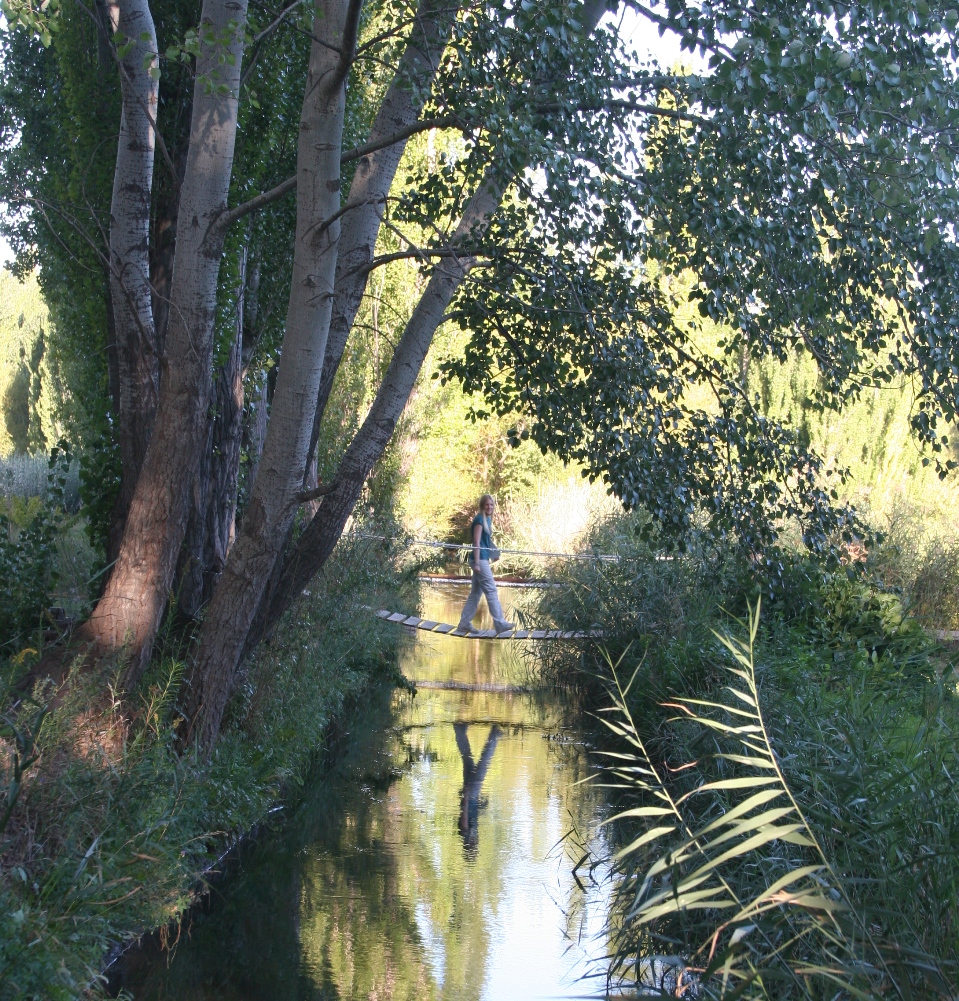
The chacras in the lower Chubut river valley were originally laid out and farmed by Welsh immigrants. They are still crisscrossed by a network of original irrigation channels that, along with tall lines of poplar trees, demark different fields and/or property boundaries.
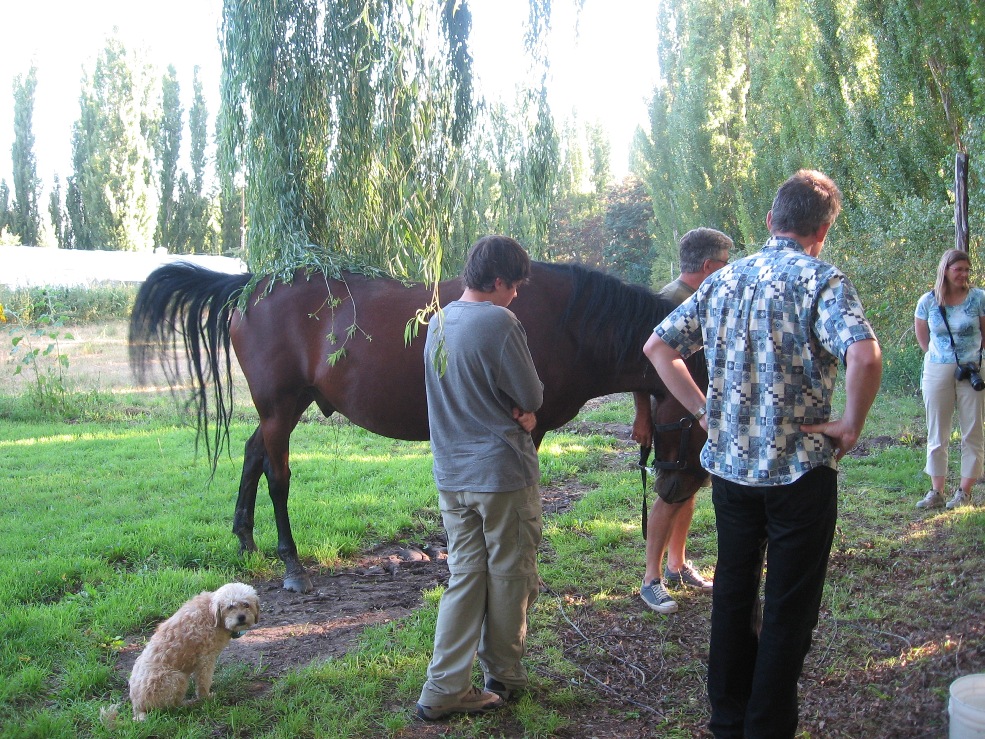
Rodolfo took us on a tour of the whole property (and it doesn't take that long to walk around 3.5 hectares) in the late afternoon yesterday.
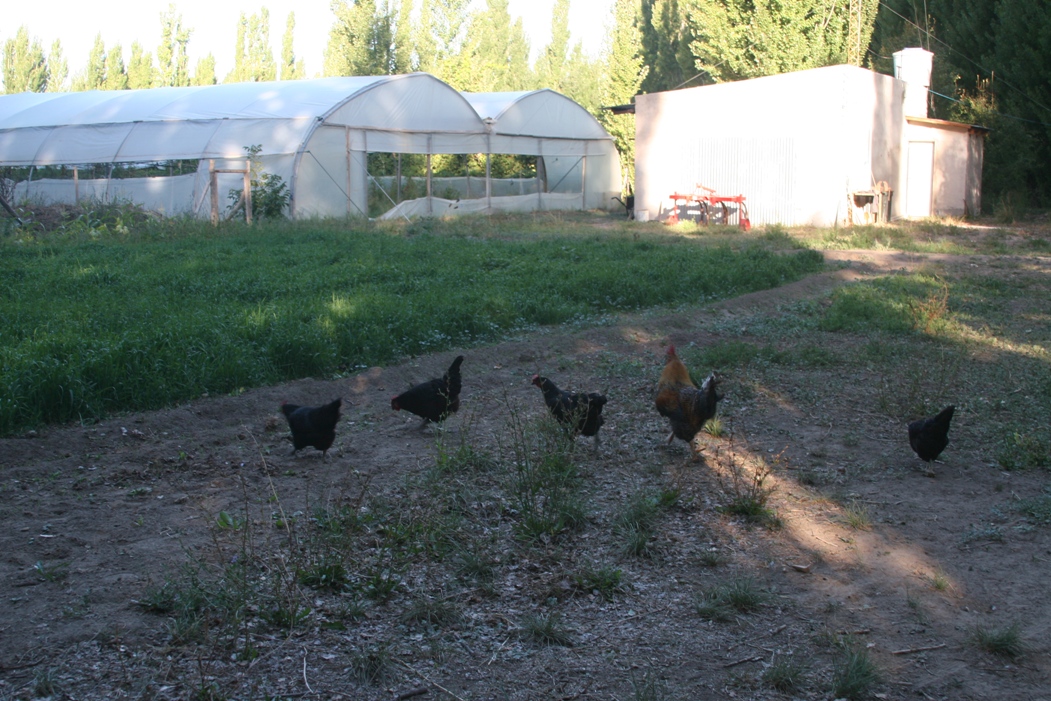
The chickens get the run of the farm for an hour or two every afternoon.
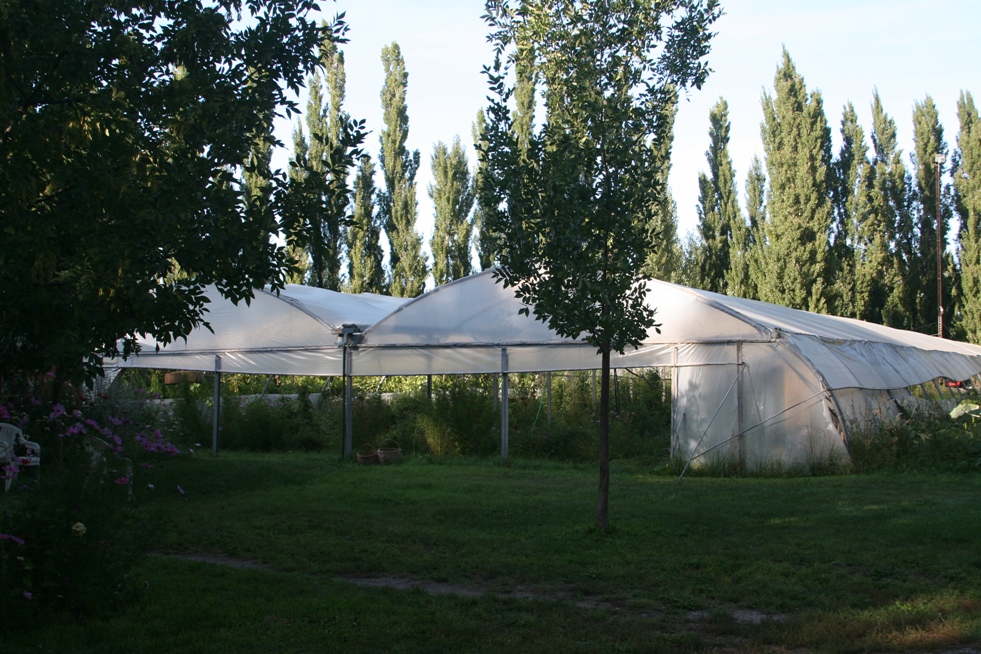
The tents protect vegetables and fruit from birds and harsh weather.
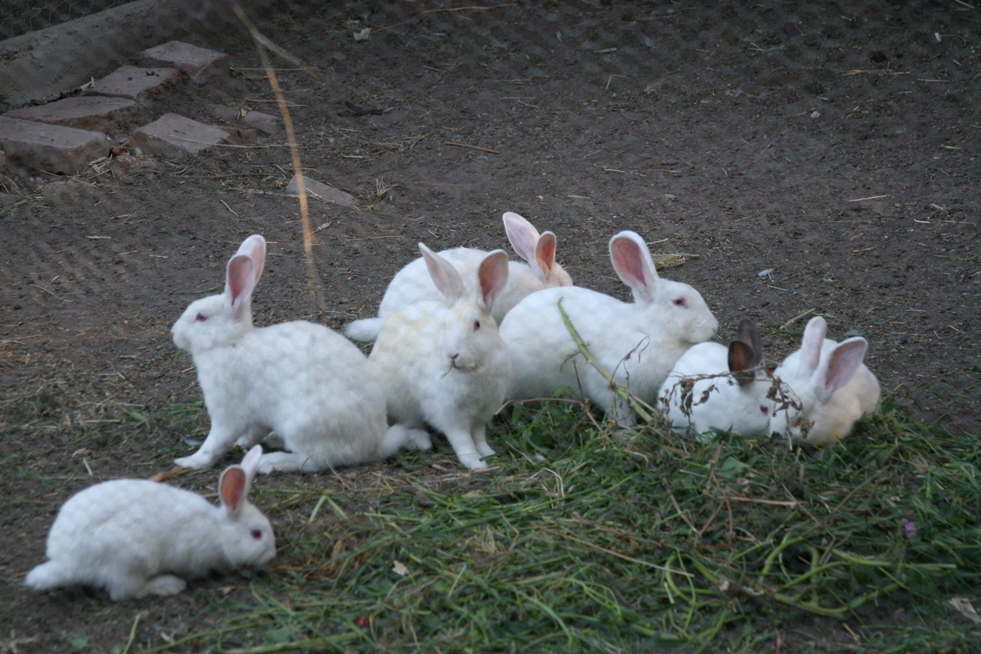
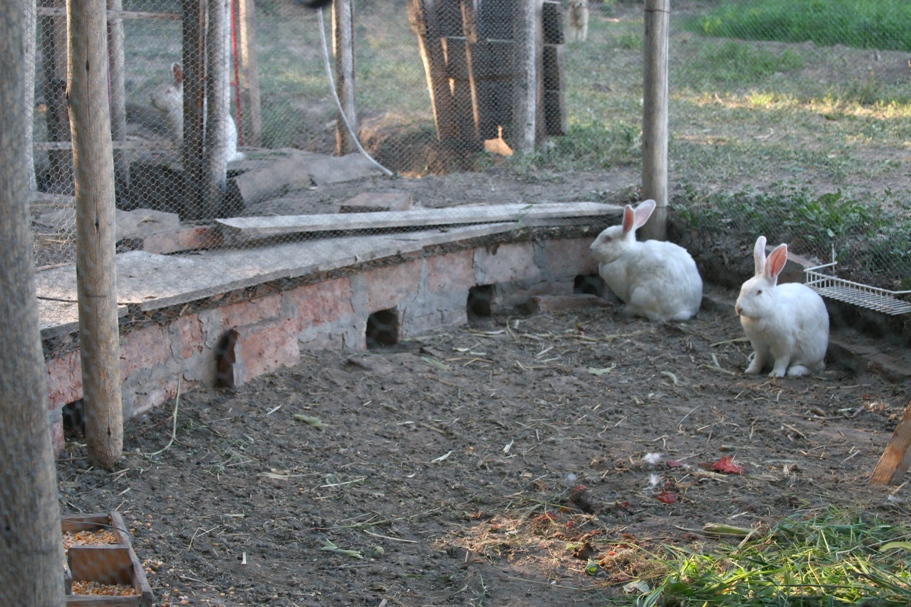
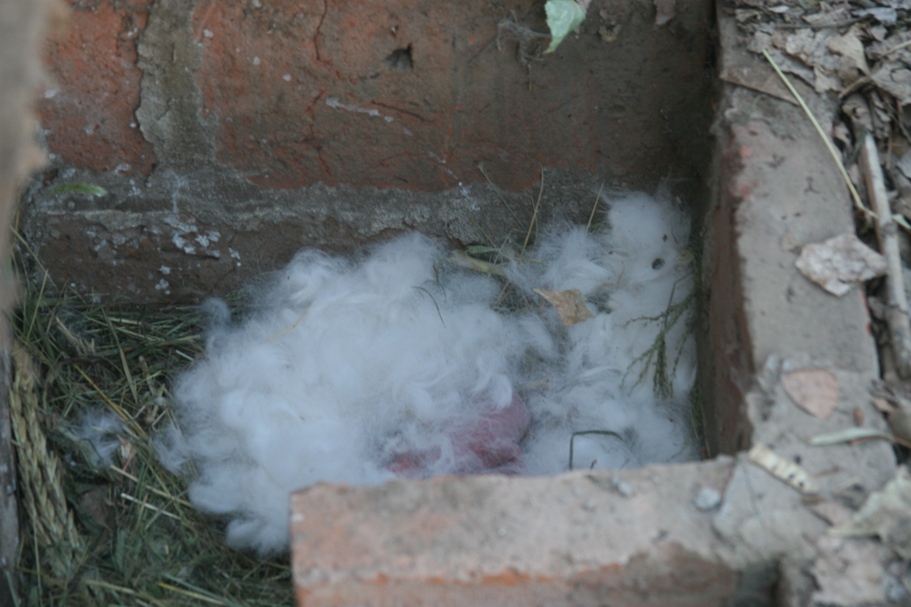
Rabbits in a few "free range" hutches. The brick cubbies provide nesting sites for the females to give birth and raise the babies.
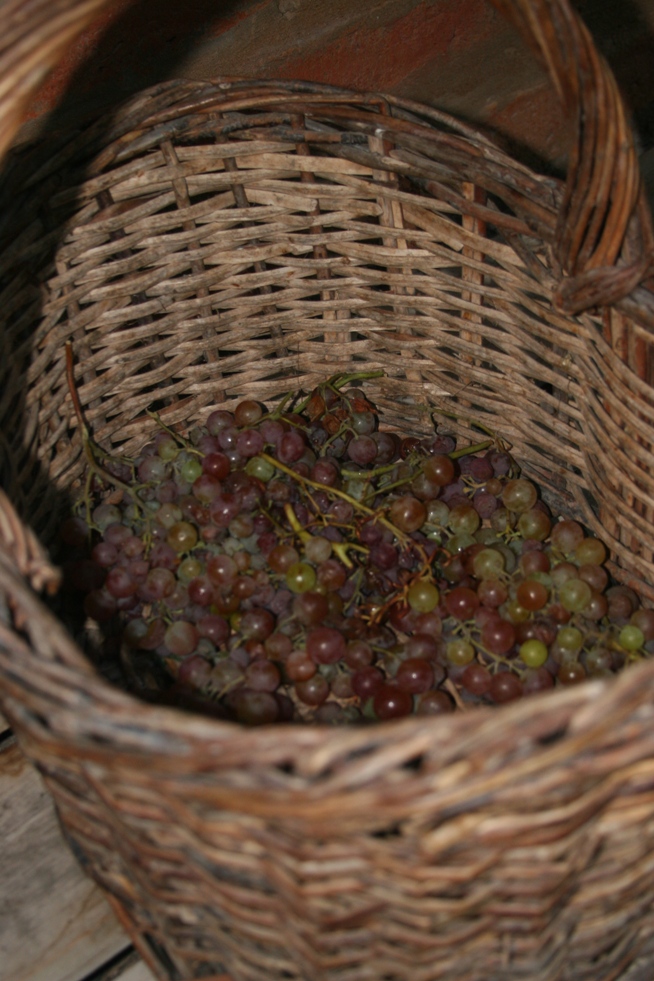
Recently picked seedless muscatel grapes, which, along with ripe cherry tomatoes, were offered to and eaten by us - in large quantities.
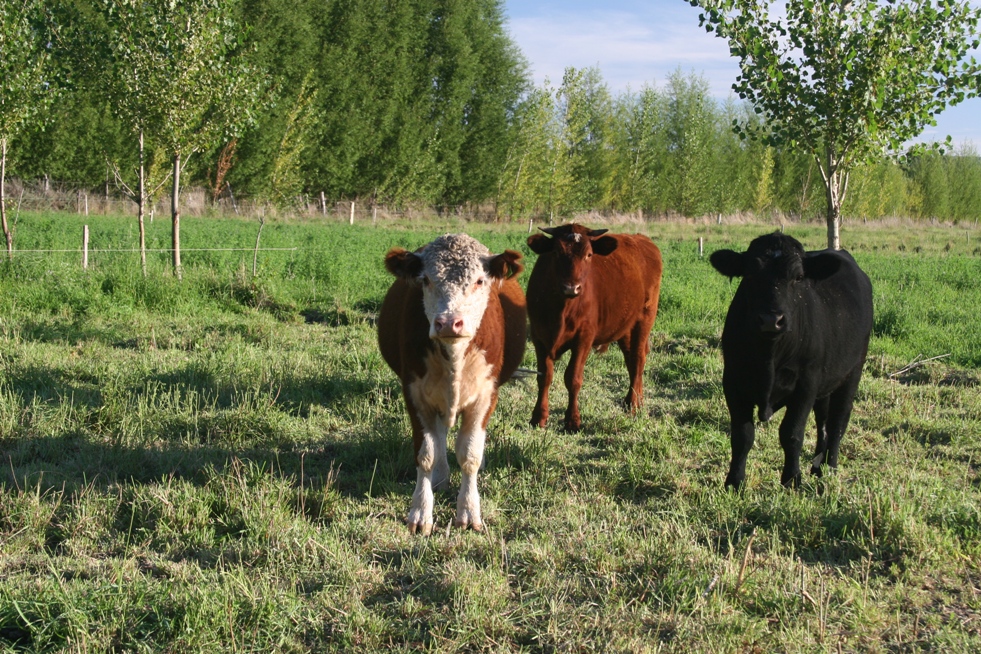
Three of their 5 steers. They aren't let loose to forage on scrub or whatever else they can find to eat, but fed in a fairly small field of plentiful food. Each day Rodolfo adds a few dozen square meters of land covered in rich tall alfalfa to their grazing area.
**************************************************************
Yesterday was hot (over 80F) , and a good day to spend at the beach and/or out on the water. After our hearty farm breakfast, we made a quick drive over to the coast at Playa Union, and from there we took a short dolphin watching excursion out into Golfo Nuevo. With primary school having started at the beginning of the month and secondary school about to start next week, the summer vacation season for Argentineans is officially over. This is why our large dolphin-watching boat, designed to hold up to 57 passengers, was laden with only 8 paying guests, one guide, and the pilot.
Later, after we returned to the dock shortly before noon, we drove up and down the road in front of the long stretch of beach in front of the summer-resort town of Playa Union. There were but a few other people on a beach that gets thousands of visitors per day during the middle of the summer, and almost all of the stores and restaurants seemed closed. But we enjoyed swimming and relaxing on the almost empty beach never-the-less. Eventually, a few small cafés and ice-cream shops opened so we didn't starve (and we had all those grapes and cherry tomatoes with us as well). When we left the beach in the mid-afternoon (after all, there has to be at least a few hours of schoolwork time every day), it seemed like more and more people were starting to show up - like kids who were done with the school day and adults that get off work early.
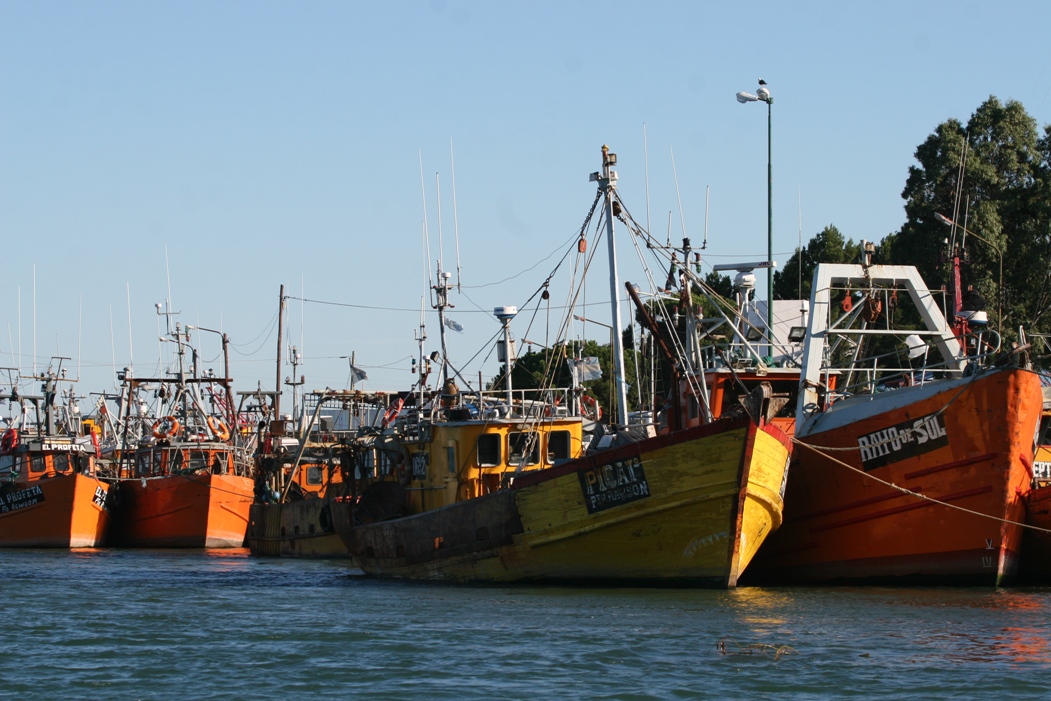
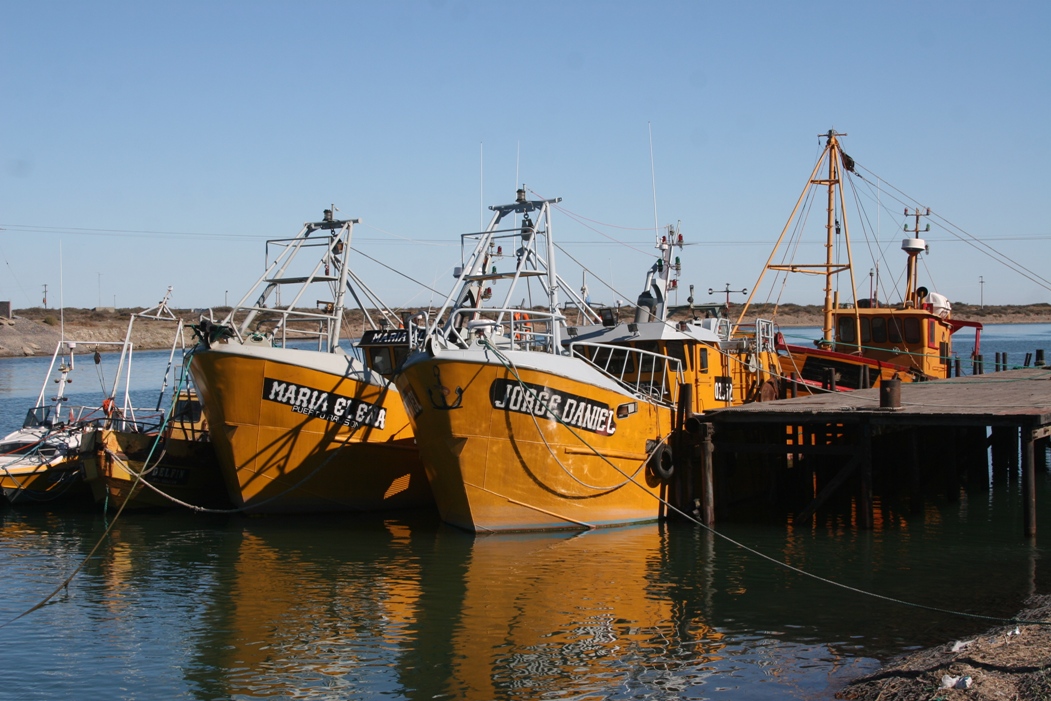
Our dolphin-watching boat departed from the "Port of Rawson" at the mouth of the Chubut river. Rawson is the Capital of Chubut province, and the actual city is located about 5 or 6 kilometers upstream. As we left the dock, and navigated the last few kilometers of the Chubut river towards the gulf, we passed the fishing fleet docked downstream of the main pier and eventually, the fish processing plant located on the far shore. A small colony of sea lions had, not surprisingly, chosen the river bank just in front of the fish processing plant to roost. I say "fish processing" because I don't know for sure whether they canned fish or froze fish or what, but the fishing fleet and the wharehouse across the river were idle today. It must not be the season for whatever it is they catch around here.
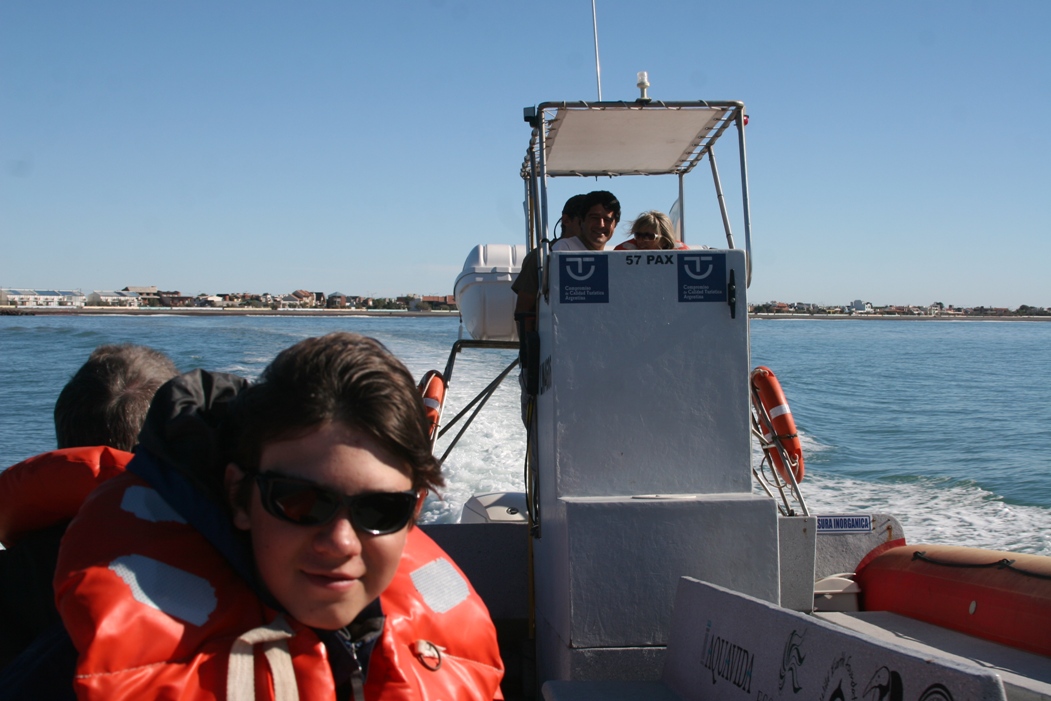
Tom on the boat.
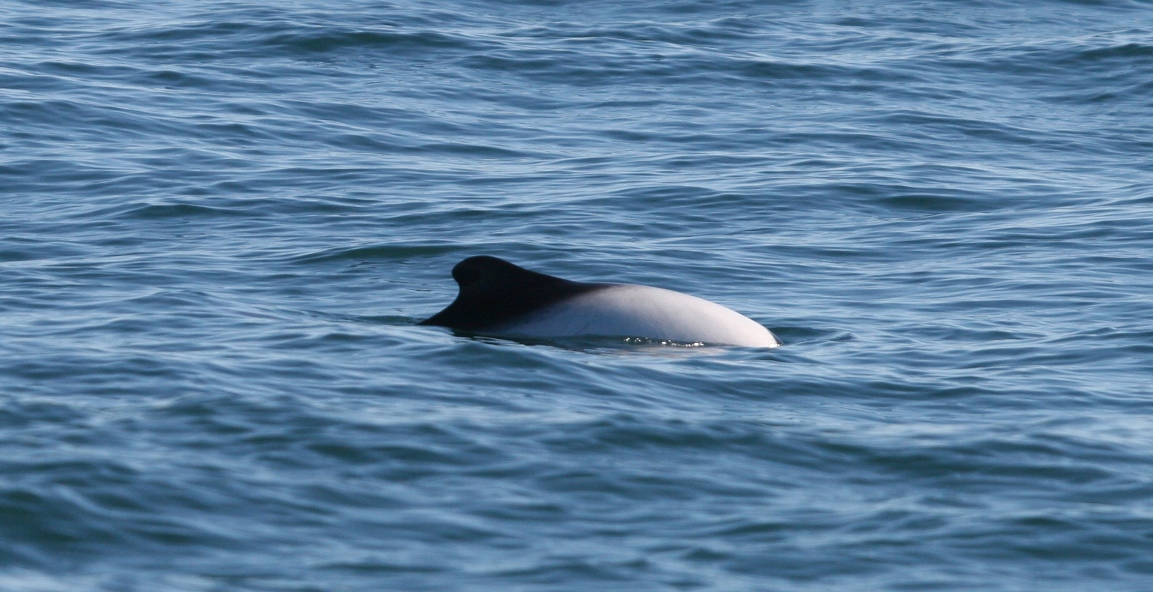
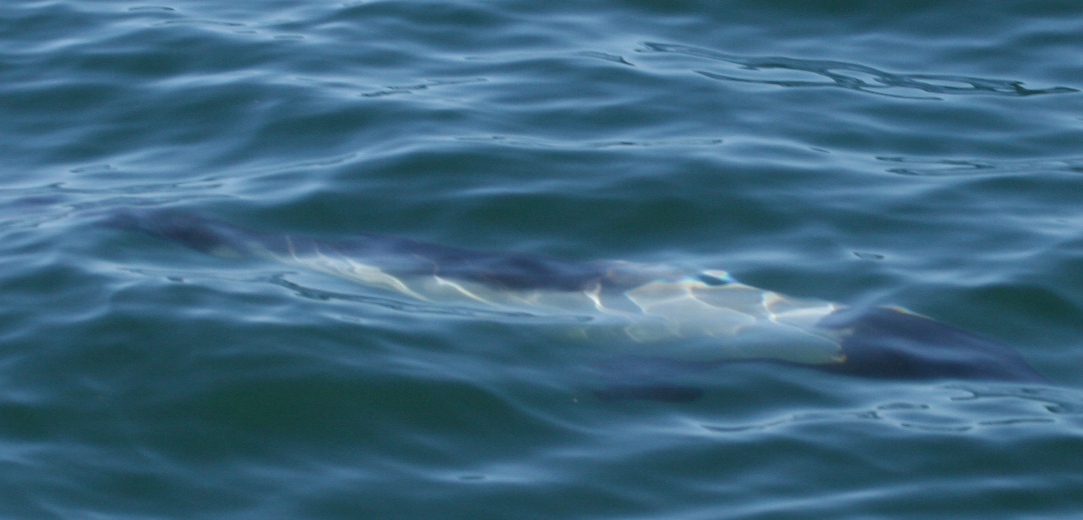
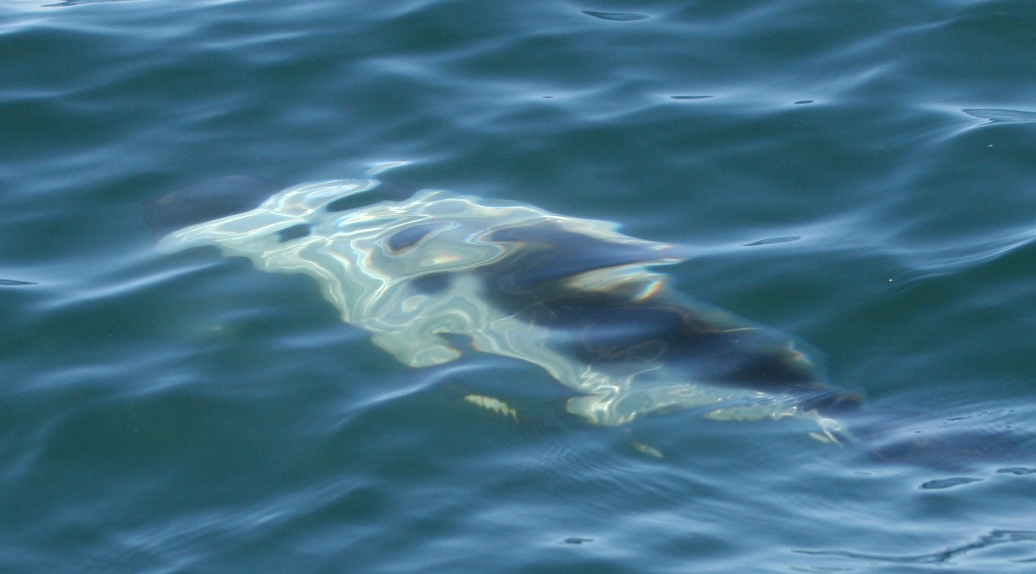
The target of our dolphin watching trip was the Commerson's Dolphin, locally called "tonina." They are the smallest species of dolphin in the world - 5 feet long at most - and posses a distinctive black-and-white pattern almost like an orca, except the white part of a tonina extends across the back. We saw several, and they spent some time swimming around and under our boat, but being so active and small, we found it extremely difficult to get a decent picture.
Then today, we did in fact leave the Trelew area to finally head for the mountains, making that long drive to Esquel. For most of the long drive, we had nothing to look at out the window but that wide, flat, dry Patagonian steppe. But there were a few interesting diversions along the way.
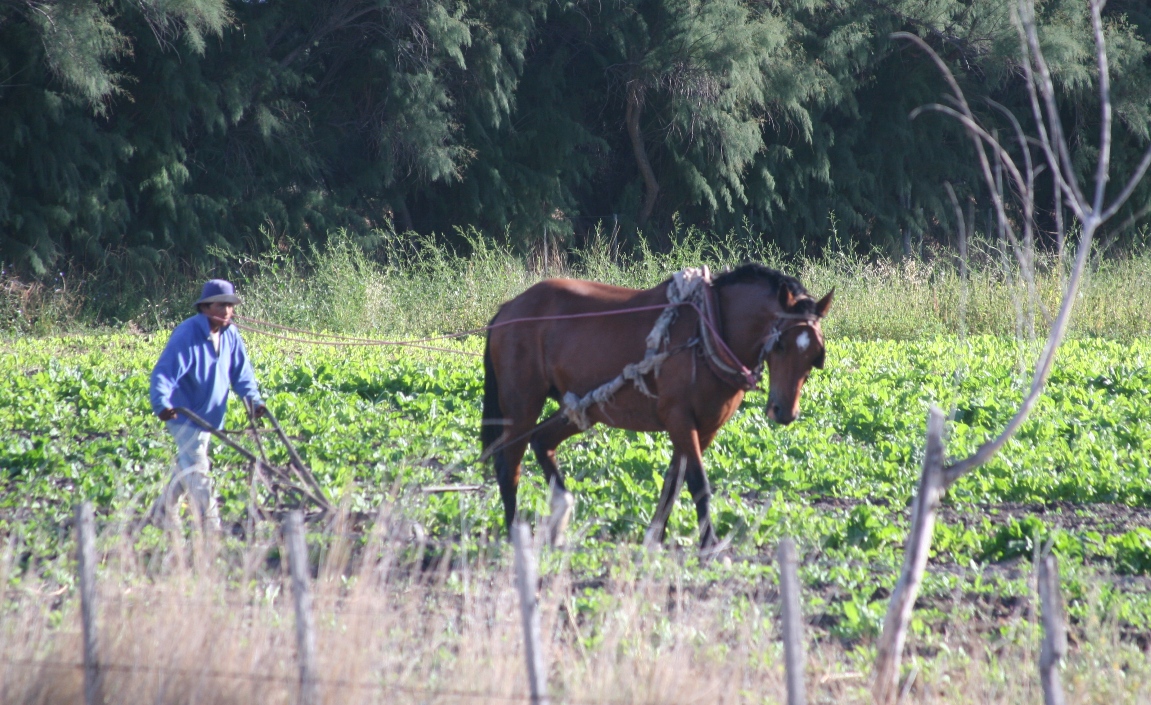
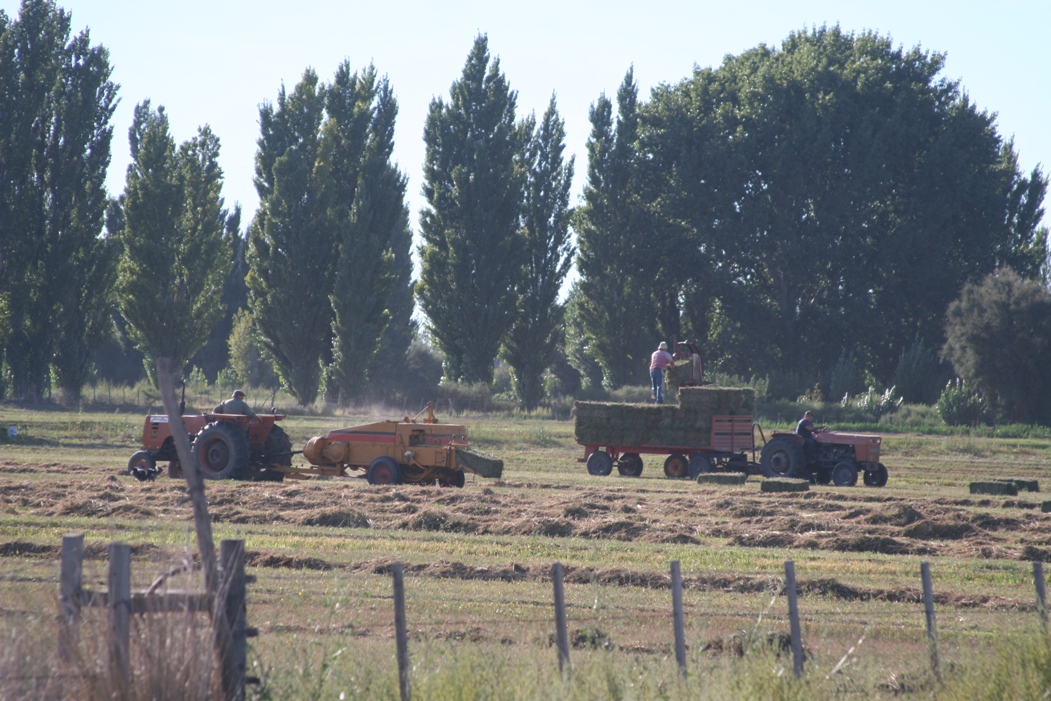
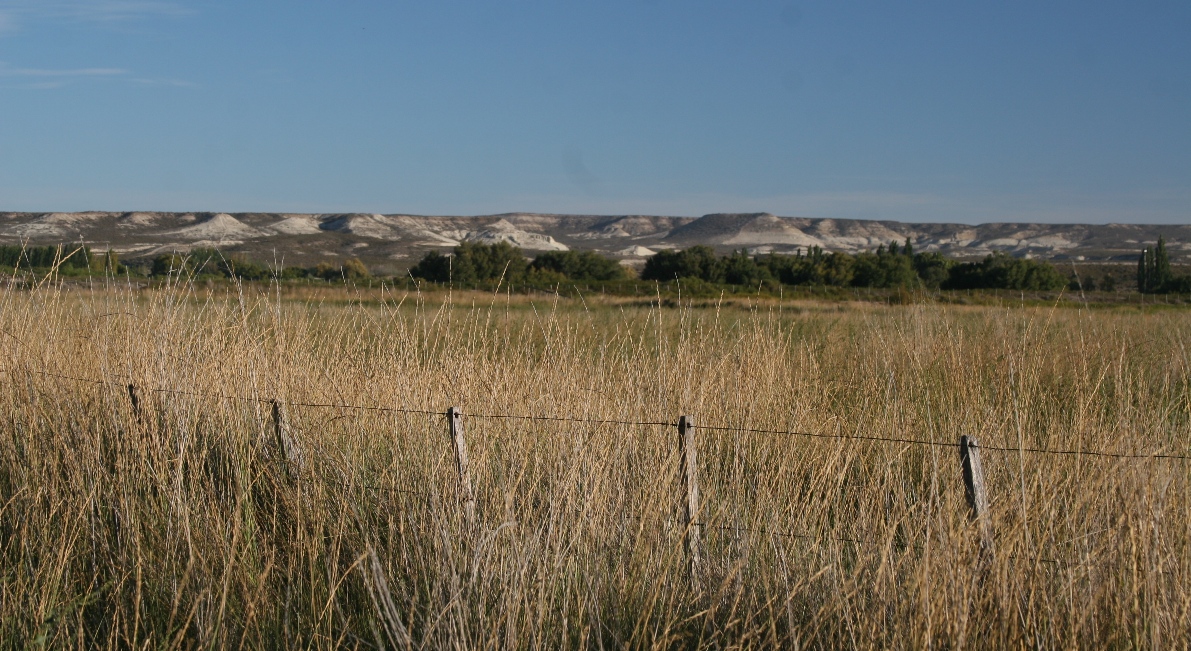
At first, we could enjoy another half hour or so driving through the chacras of the lower Chubut valley - a place where flatbed hay trucks from the 1950's trudge along dusty roads and people still do a lot of work by hand.
After about an hour on highway 25 east roughly paralleling the Chubut river upstream, a short detour to the south took us to one of the more impressive and controversial public works projects in southern Argentina, Dique Florentino Ameghino. This is a dam placed across a steep and narrow canyon in the middle Chubut valley. The dam and associated hydro-power plant were constructed in large part to supply the energy needs of a large aluminum foundry on the outskirts of Puerto Madryn.
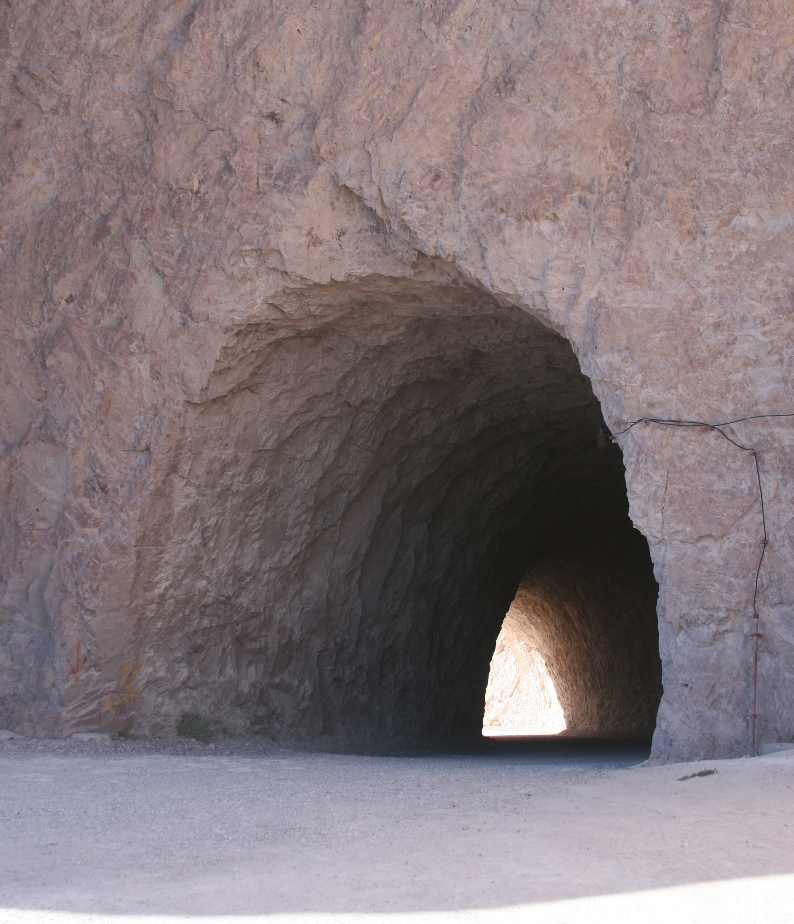
A few kilometers south of the main highway, the road leading to the dam encounters this tunnel...
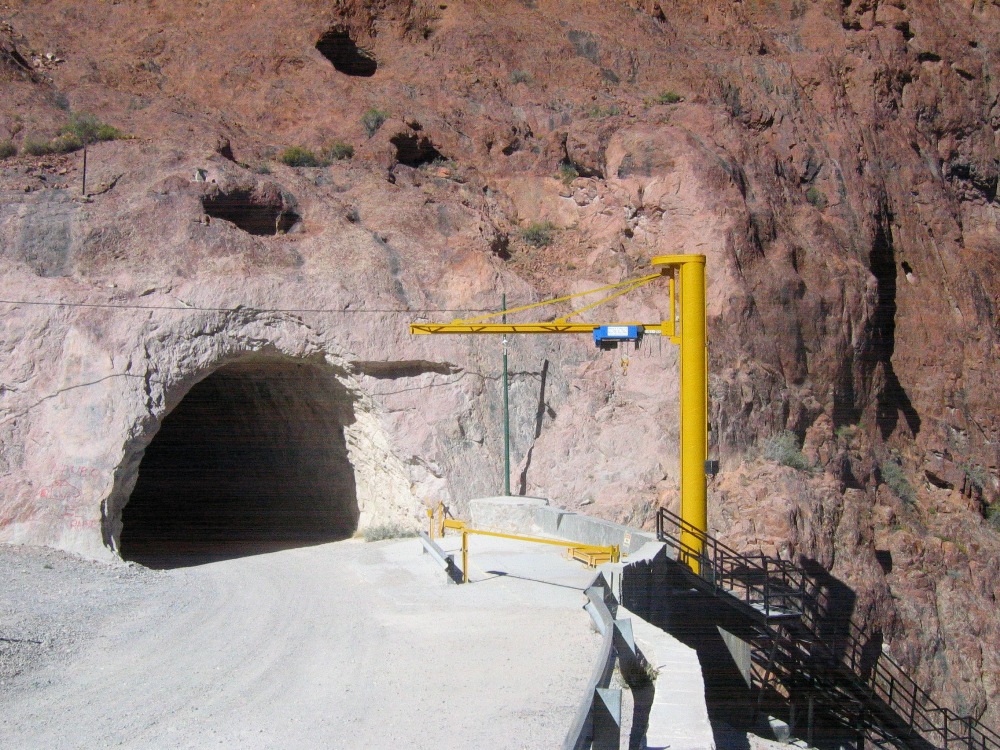
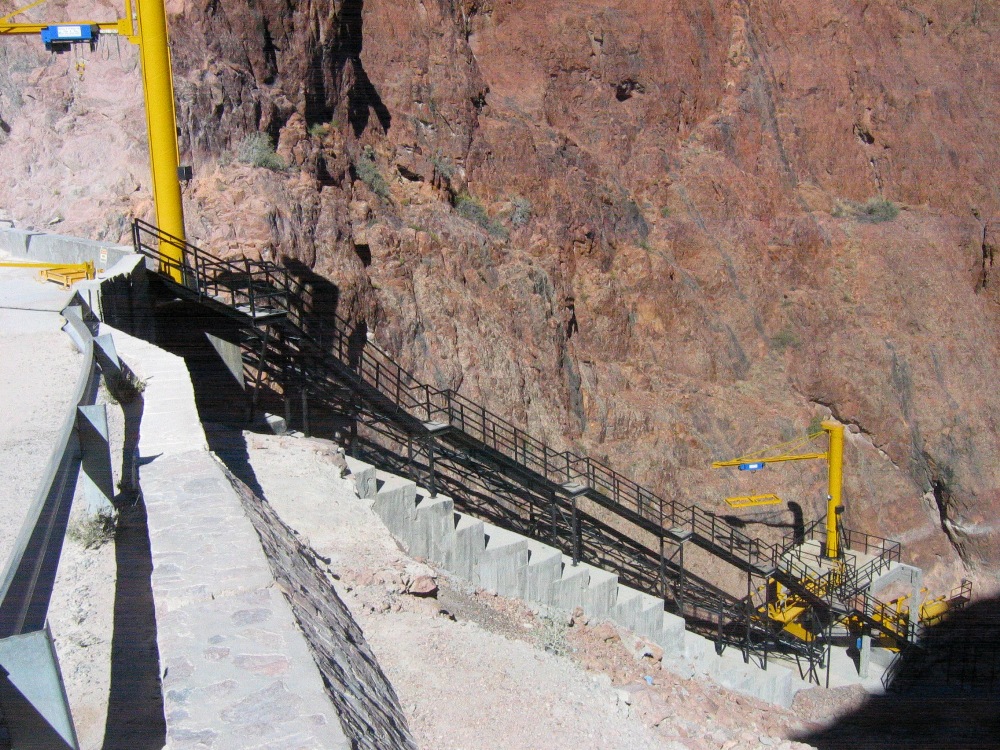
with a "boat dropping" crane and staircase for putting boats and their drivers into the variable-level lake upstream of the dam.
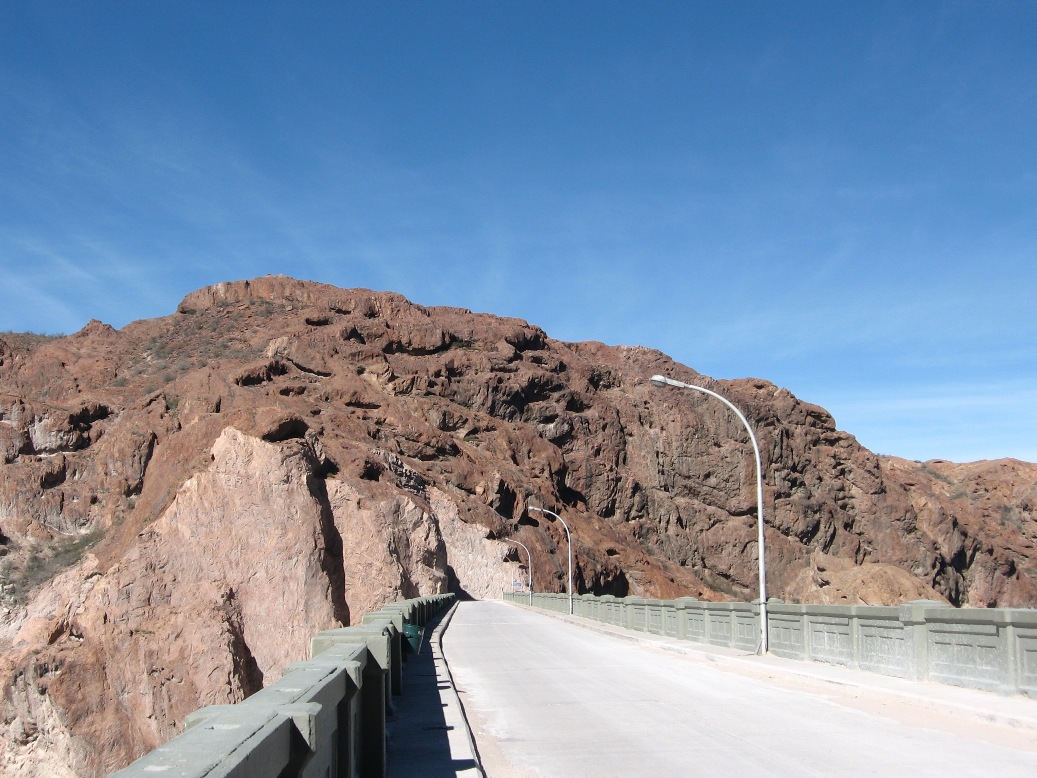
We emerged from the tunnel at the dam, and with a heavy load of traffic amounting to one car or truck about every 5-10 minutes, we were free to park and walk out on the dam.
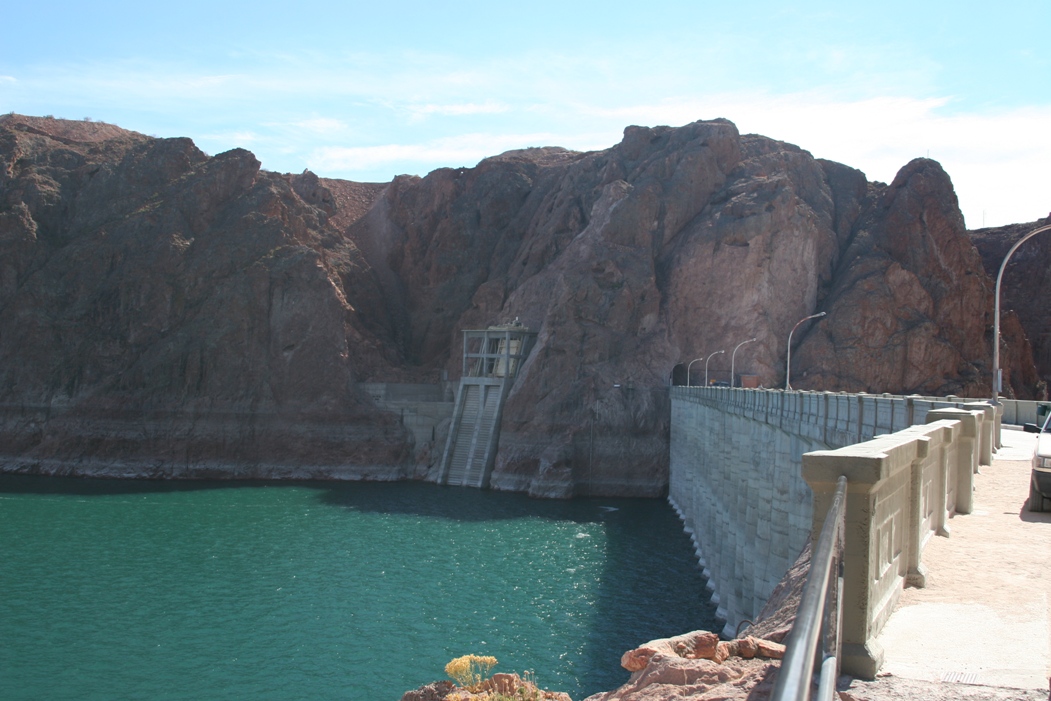
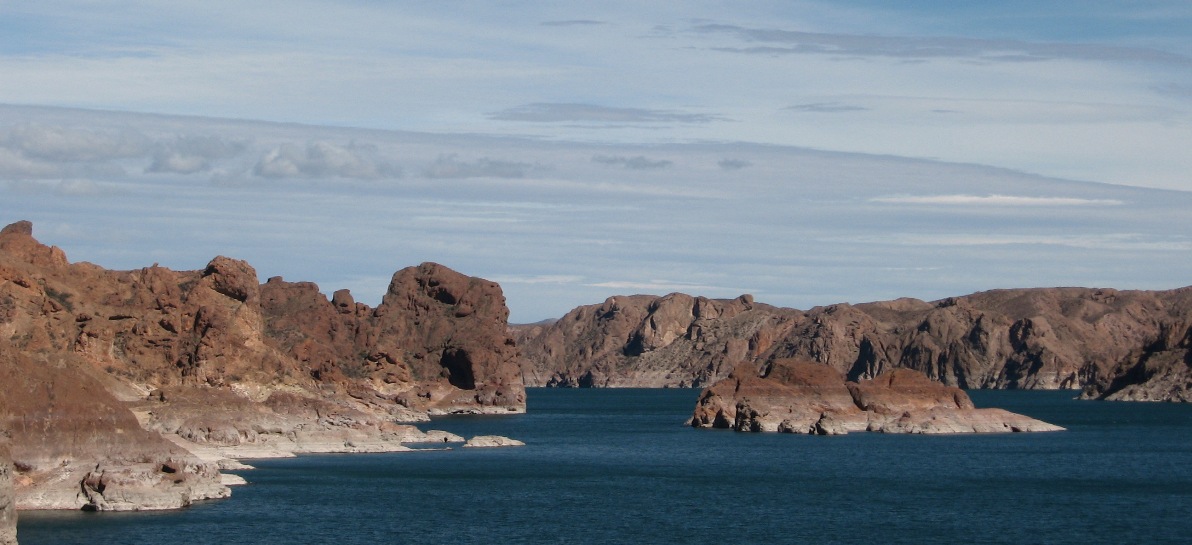
Upstream.
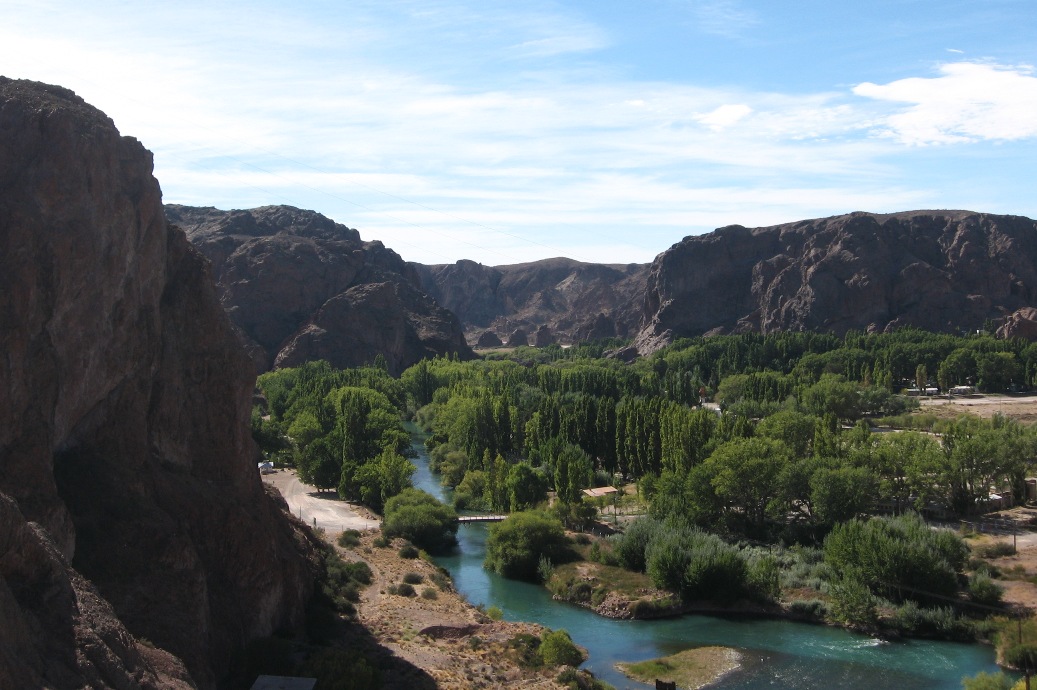
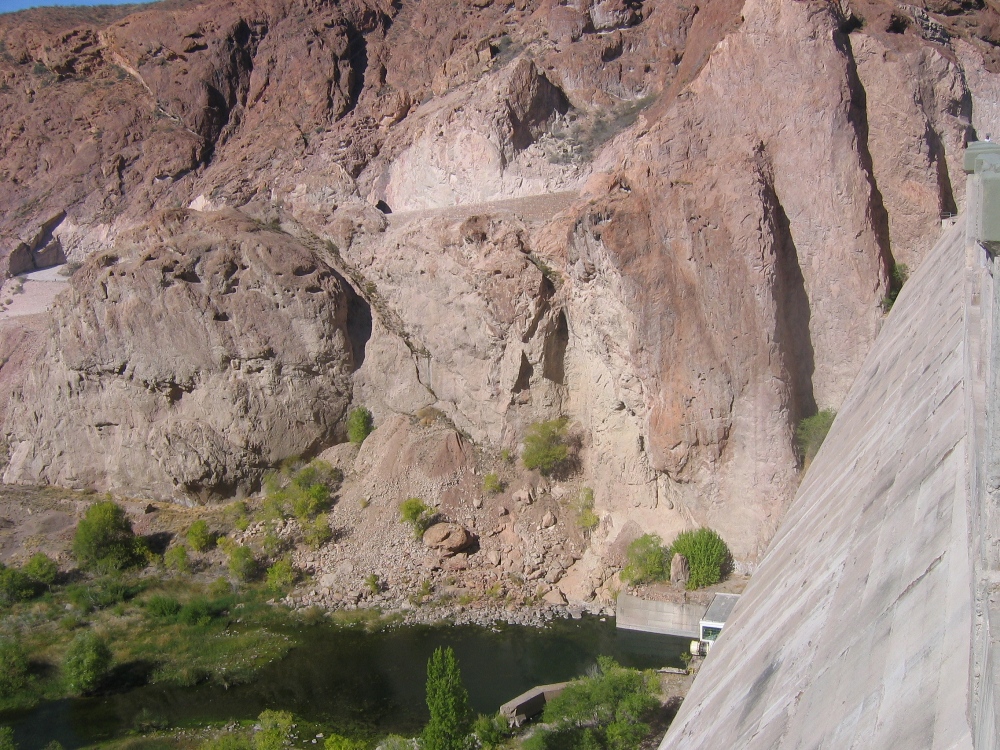
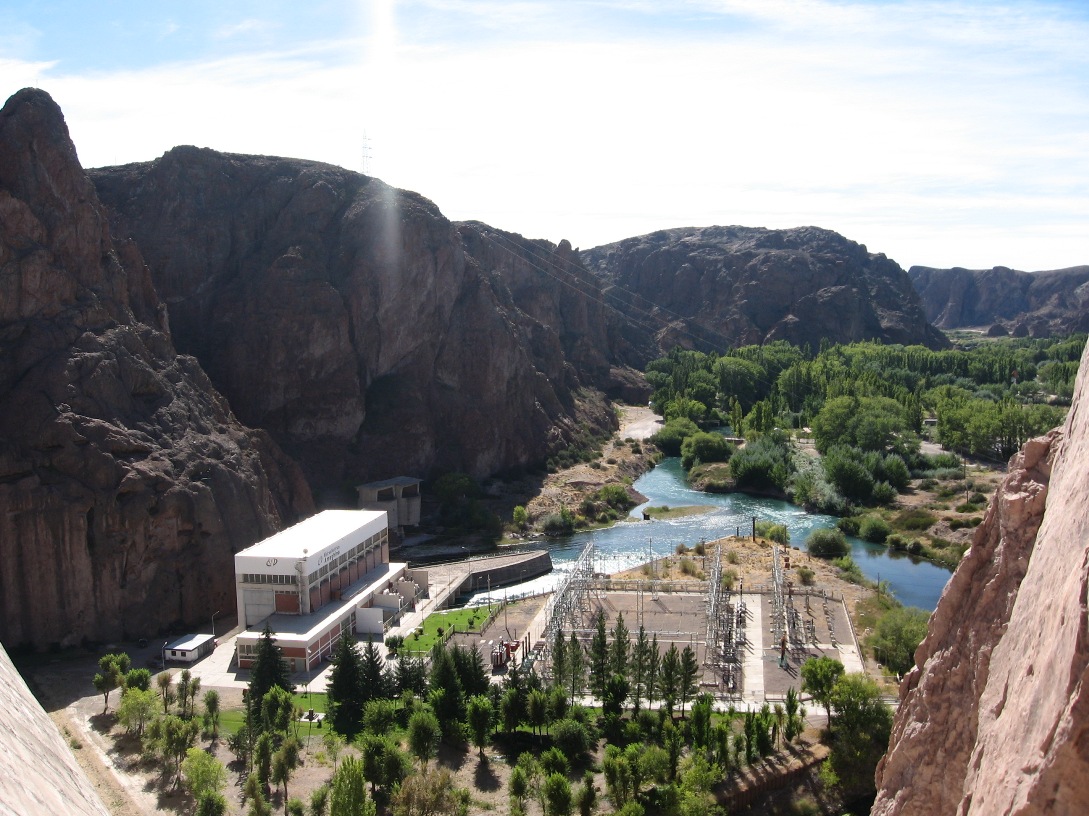
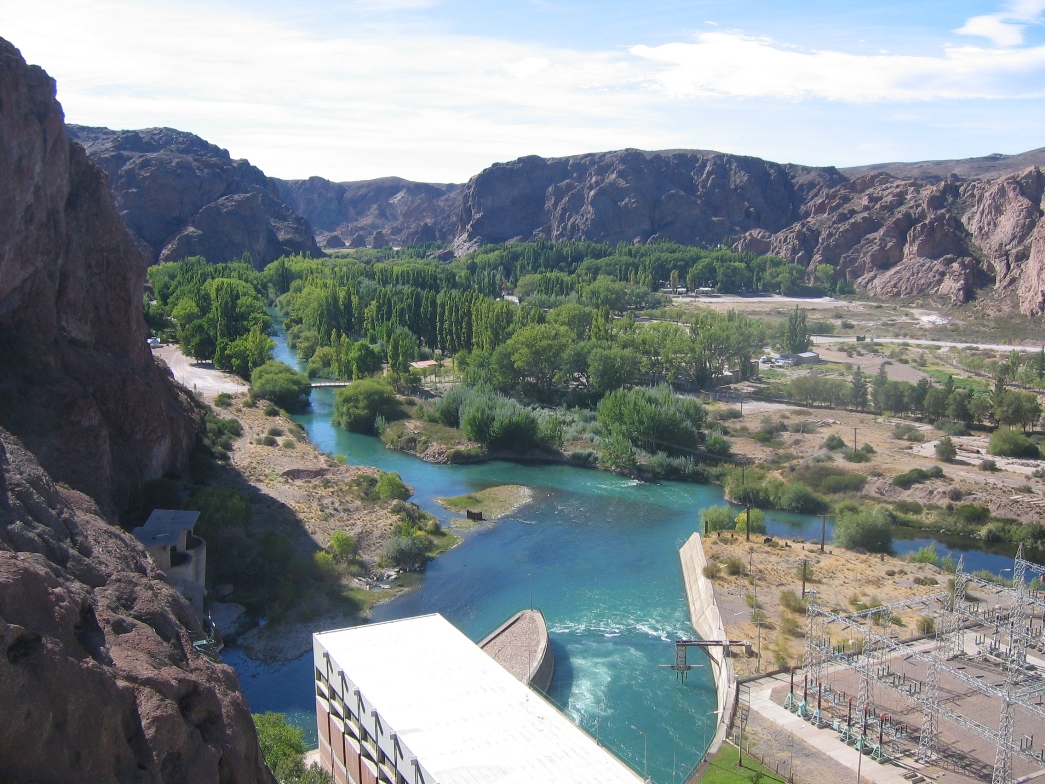
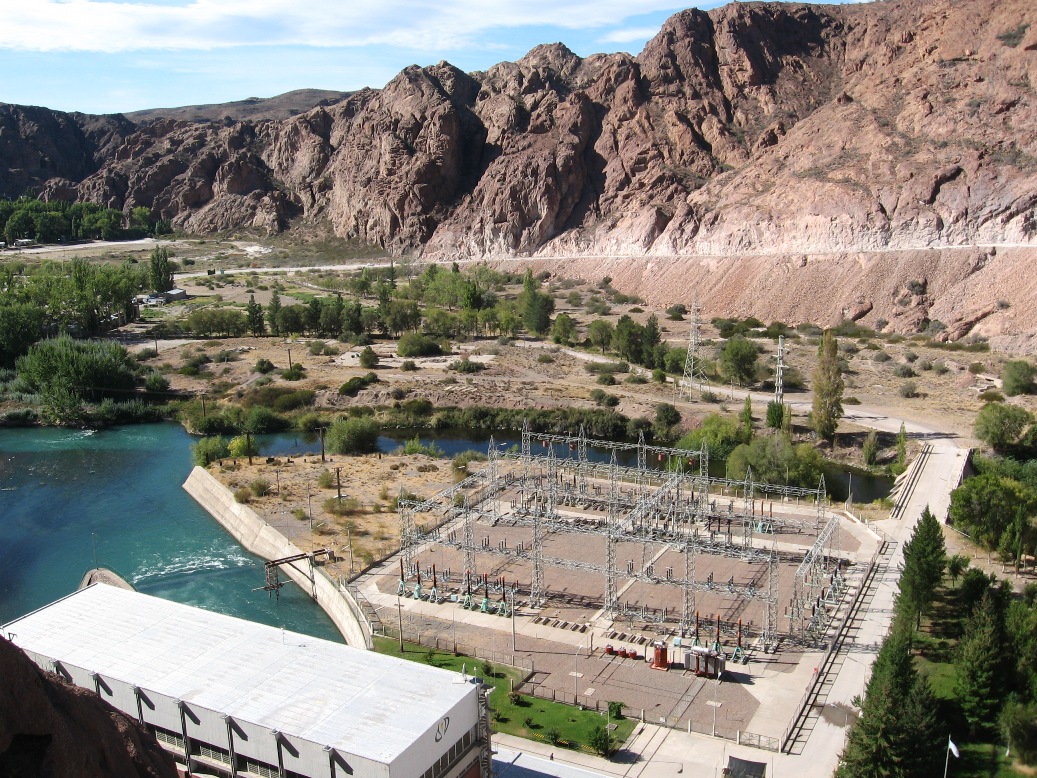
Downstream.
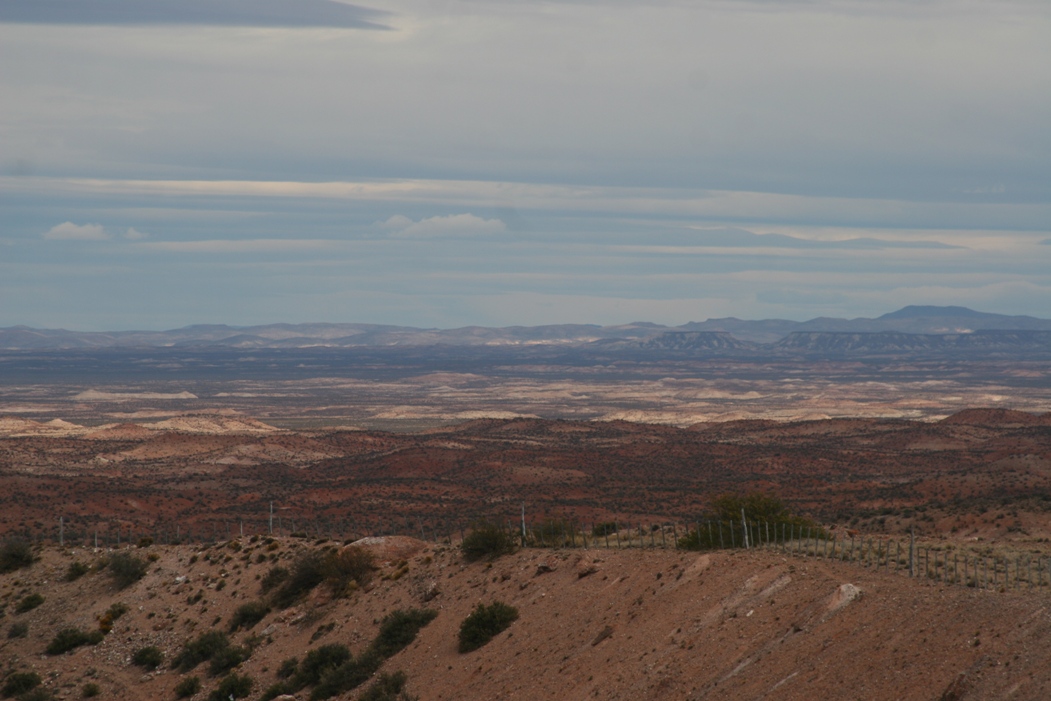
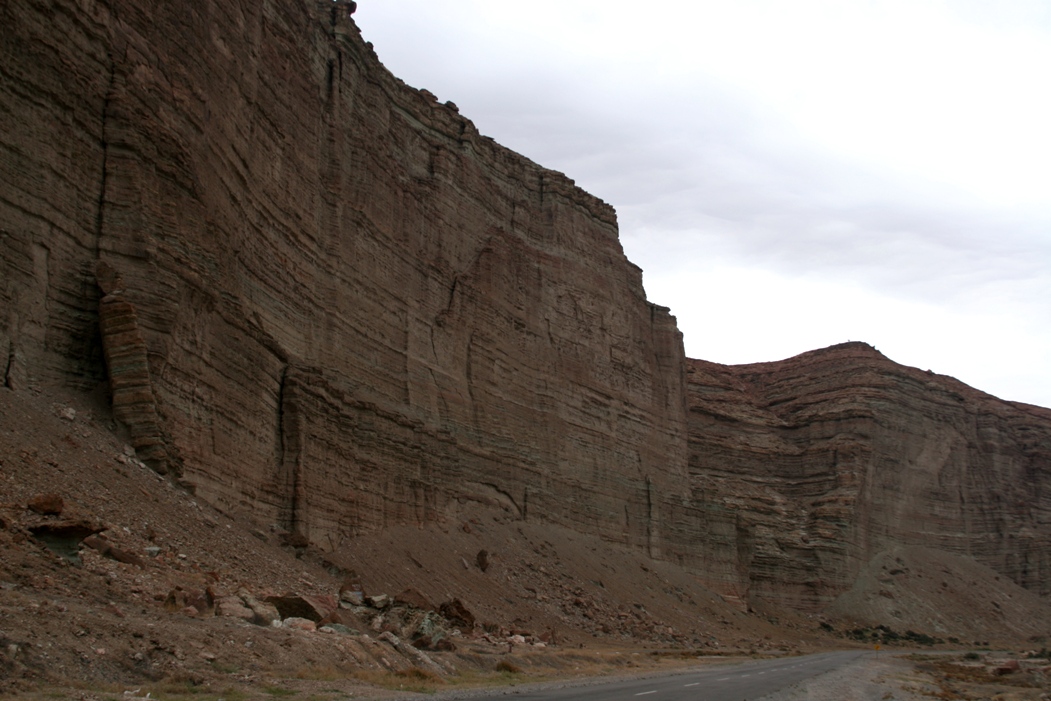
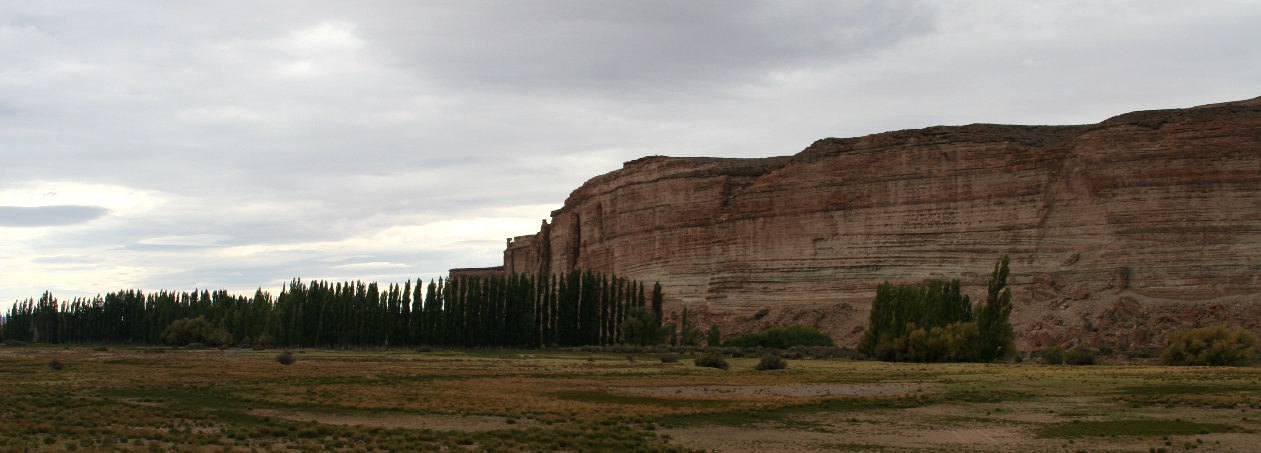
Late in the afternoon and late in the drive, we started ascending more noticably and the terrain became more interesting - we were nearing the beginning of the Andean cordillera and the end of the vast empty steppe. Eventually a few huge hills (or medium-sized mountains) rose abruptly in front of us. Then we rounded a bend to find the city of Esquel located in a basin between two of the very biggest of those sudden sharp hills. At the time, our minds were on finding our lodging, getting out of the car, and eating dinner. I think we can remember to take some pictures around Esquel tomorrow. It's very beautiful here and would certainly be worth the effort.
-Rolf