San Martín de Los Andes
Volcanoes Erupt, Workers Go On Strike
Wednesday May 7, 2008
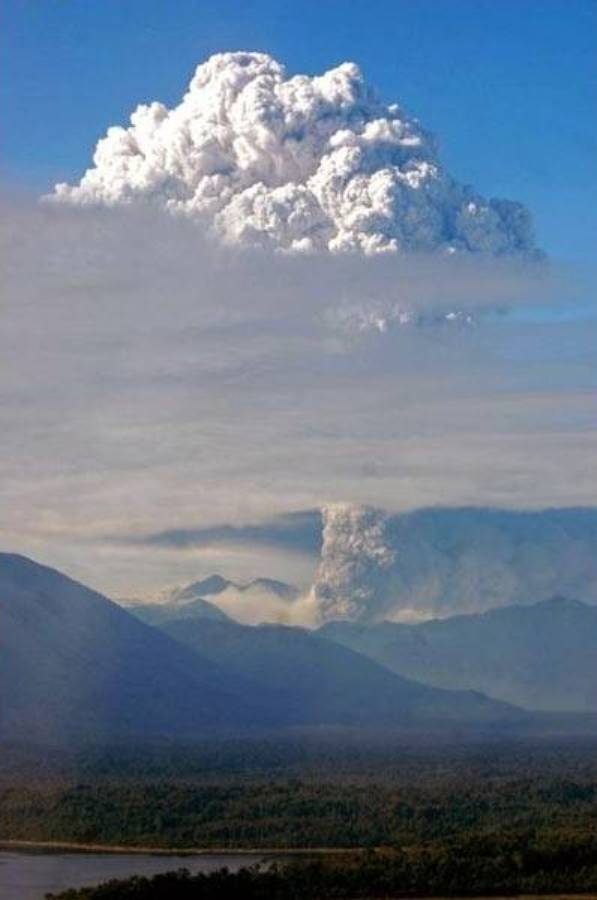
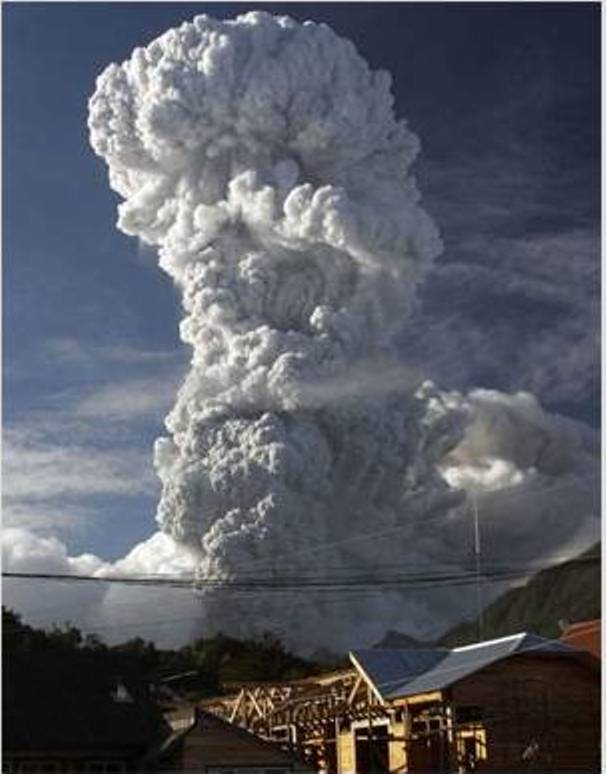
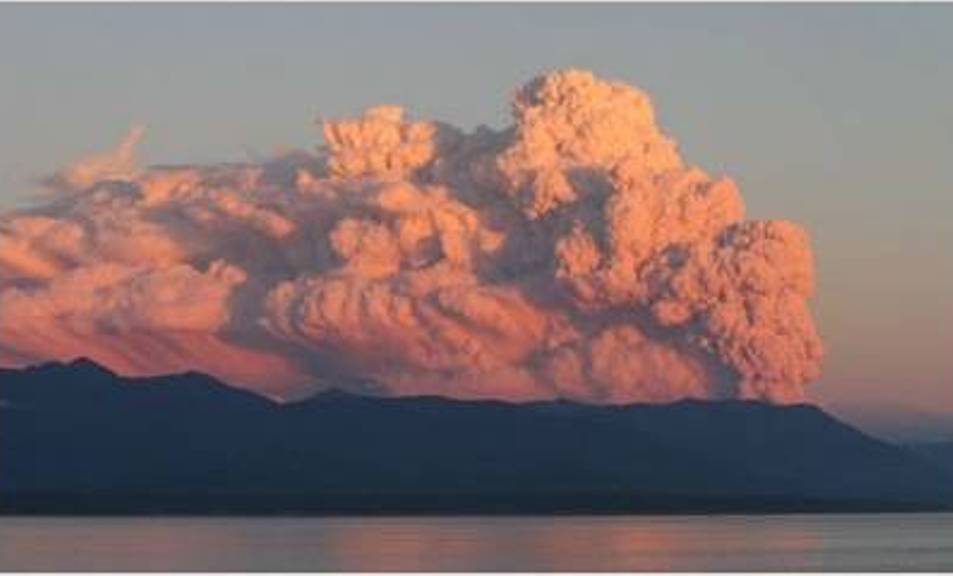
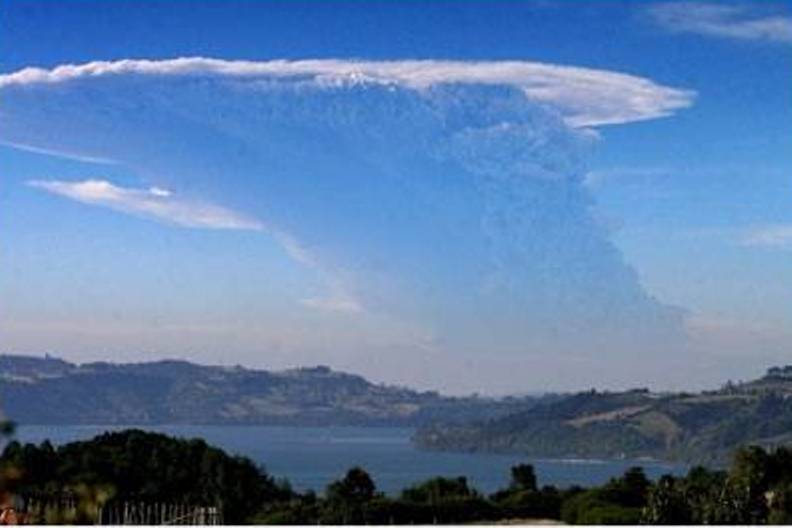
A volcano over in Chile started erupting last Thursday, and although this is an enormously significant event for the region, we here in San Martín have been relatively unaffected. It is a little eerie to realize that this volcano is just a few miles from where we stayed in Parque Pumalin and then in the town of Chaiten back in early December, both of which are now evacuated and inundated with ash. Also, following an east-southeasterly trajectory, a windblown stream of erstwhile volcano traversed Argentina dropping layers of ash that closed airports and schools in the (recently visited by us) towns of Esquel and Trelew.
The mushroom cloud of the initial eruption was visible from El Bolsón, but all we've experienced here in San Martín was an unusually intense sunset on Friday night, and a slight reduction in the clarity of the sky even when clouds aren't present. Bariloche and Villa La Angostura have been affected by a large influx of Chilean evacuees, who chose an easterly route out of harms way. The nearest three or four principal border crossings in the region have been operating around the clock instead of their normal daytime-only routine, in order to support the increased flow of people.
After never having erupted as far as human history goes back (and for at least 9000 years according to estimates of volcanologists), Volcán Chaiten wakes up with a bang. It is, or was, a relatively small mountain, only about 1000 meters in elevation, and because of it's relatively small size and anonymity, I don't believe there was any monitoring equipment keeping tabs on this volcano before the sudden and unexpected explosion.
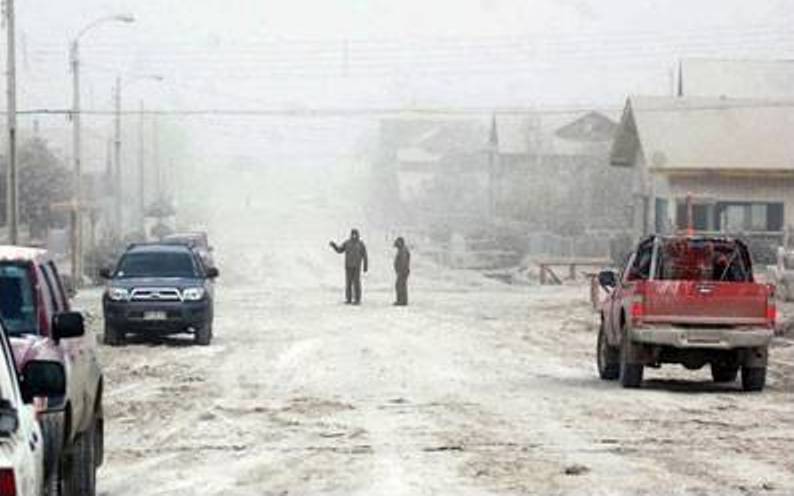
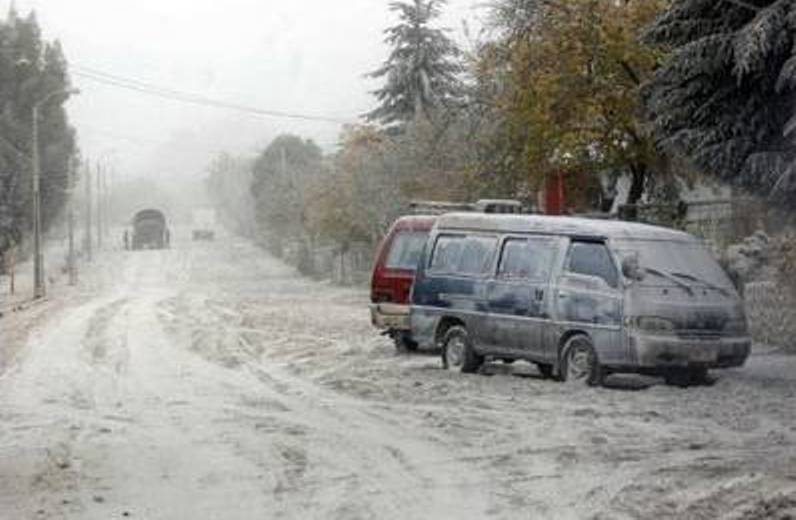
The streets of Chaiten shortly after the first eruption and before the evacuation was completed. As far as I know and at the time I'm writing this, there has been only one human death attributed, indirectly albeit, to this eruption. A very old woman suffered a heart attack during the evacuation of Chaiten. In terms of killing power, that's not much of a natural disaster compared to what's happening in Myanmar right now, but a lot of people have been displaced and of those many have lost everything they own, especially farmers in the region. Given the isolation of the Chaiten, being connected to the central and northern part of Chile only by airplane or ferry, most of its residents have never been anywhere else all of their lives. That is until now. The fact that we slept there for a few nights 5 months ago personalizes the situation a little for us.
Here are a couple of links to interesting photos of the eruption event that I found on the internet.
http://megagalerias.terra.cl/galerias/index.cfm?id_galeria=30811
http://megagalerias.terra.cl/galerias/index.cfm?id_galeria=30734
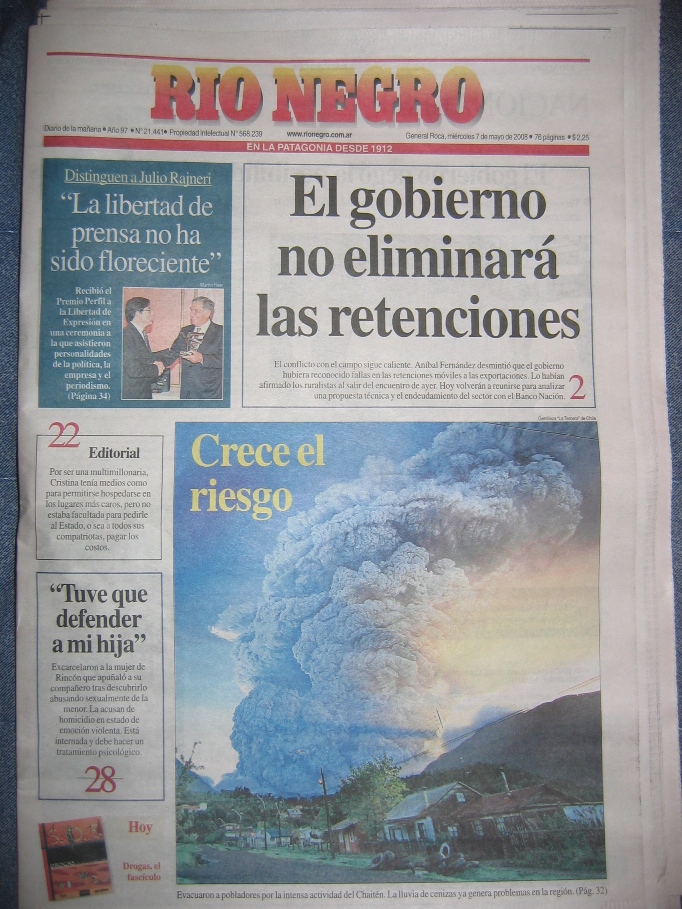
Today's Headlines...
As of this moment, if we didn't (but we do) have television, internet, or newspapers here, and if didn't talk to anyone (but we do), we might not realize that the volcano was erupting, four thousand people have been evacuated and probably more than a hundred thousand seriously affected. Also, the lives of more than 50,000 head of livestock are at risk. It really is tragic to think of all the animals that had to be left untended without shelter in fields covered with as much as a foot of ash. The news reports have some pretty dreadful pictures.
With luck, the situation will remain more or less the same for us, continuing to be "not directly affected," and we'll have dodged another potential difficulty by a few months or weeks or hundreds of kilometers. A shift in the wind could change that, so we're keeping our fingers crossed. News reports are now mentioning problems with the water supply in Argentinean cities that have been inundated with ash. I wonder how much the sport fishing economy will be affected. Trout don't well in cloudy water.
Although San Martín is only about 330 kilometers from the Chaiten Volcano, and the distance to Trelew (one of the places where schools and the airport have been closed due to ash) is about twice that, we are located almost due north and Trelew is close to due east from the volcano. The winds would have to shift to an extremely abnormal northern path for us to be under the ash trail. But I bought some extra bottled water today and we're looking for the surgical masks in our first aid kit, just to be on the safe side.
****************************************************************
Moving on to the the less explosive news of the region and our occupancy in it...
Which is more (or less) interesting and entertaining - pictures of the natural beauty Lago Lácar, or written information about the community of San Martín de Los Andes and our routine here? If I was clever, planned ahead, and took the necessary time, I could probably intersperse appropriate pictures throughout this journal entry in support of both topics, but at the moment I'm lacking on several of those requirements. So this is how I'm going to precede - I'll start with the lake pictures, taken during a rowing excursion Wednesday morning a week ago, and then follow up with some sort of rambling description of life in this town and/or life in this country.
If I feel motivated and shameless enough later, I'll walk the town with a camera in-hand to take more pictures of the slightly less picturesque, more routine aspects of life in this town that might go along with what I've written. I can't make promises at this point about pictures I don't have at the moment - who knows if I'll run into the winos in the vacant lot or not when when I'm out on the photo shoot (and if they don't like having their pictures taken!)? For now I'll just have to rely on mental imagery as the creative fodder on the latter topic of the journal.
So I'll start with the prettiest pictures first.
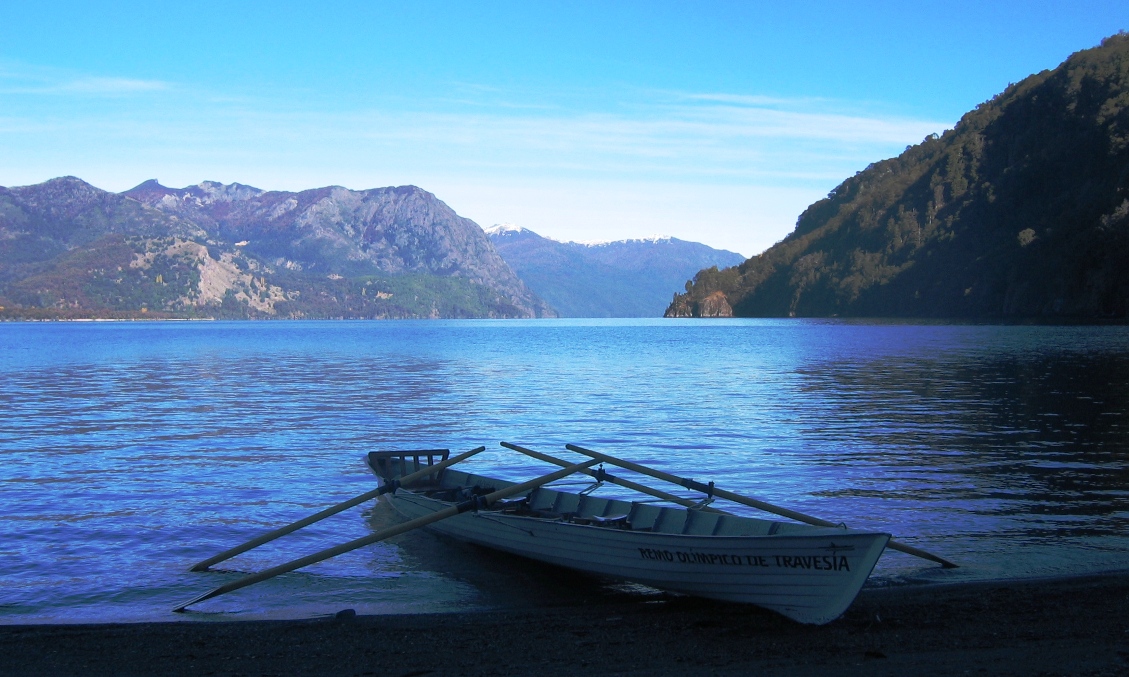
Last Wednesday morning we went out on the lake to row, using a modified skull sort of boat called "De Travesía." These De Travesía boats are heavier and have taller sides than a classic skull, so they are more stable and safer in the open and potentially choppy waters of a large lake. They are easier for a novice to deal with, too.
The man who took lead our outing is a Physical Education teacher who specializes in rowing, and we had been trying to schedule something with him for a couple of weeks. At first, he was busy with classes during the week, and the weather on the weekends was unpleasant and windy. Then this past week he had mornings free, the weather cooperated, and everything fell into place. Well, almost. Lynn and I both were suffering from minor colds. Although it was clear and windless, the temperature was only a few degrees above freezing when we walked out the door at 9:30am in the morning. Lynn decided to take pictures from shore and give her recovering body a rest. I probably should have done the same. I didn't feel too bad out on the water and had a fun time rowing, but then on Thursday morning, when Lynn felt much better, I felt much worse. Finally I'm recovered - at least well enough to type.
Bebe, the rowing instructor, told us that he leads rowing excursions year-round. In-spite of the cold, the conditions for rowing out on the lakes here can be very good in winter. Winter is less windy than summer, and physical exertion keeps participants warm. We're keeping this in mind, and may try to go out again on another sunny calm day. Hopefully we'll get another one of those when none of us has a cold and we can all go out on the water to enjoy it.
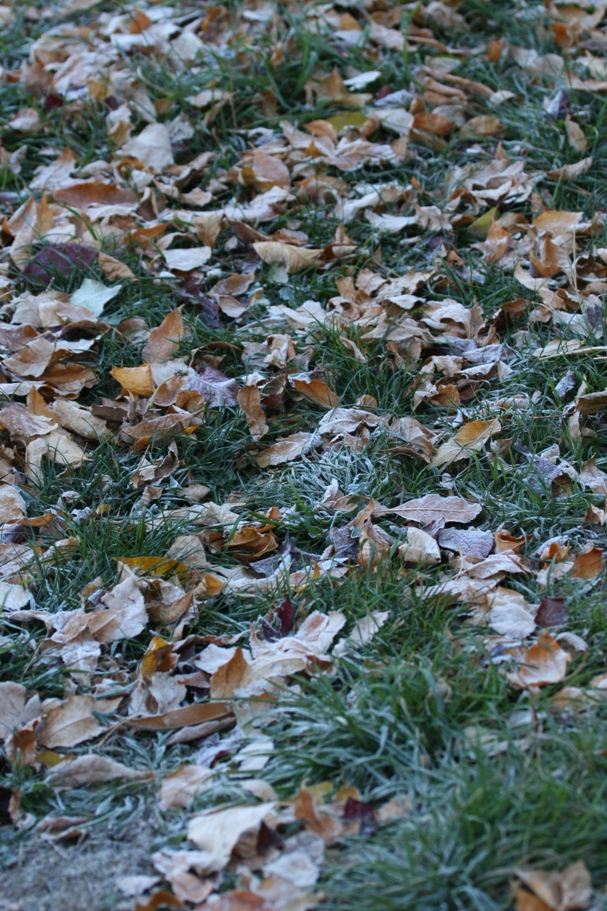
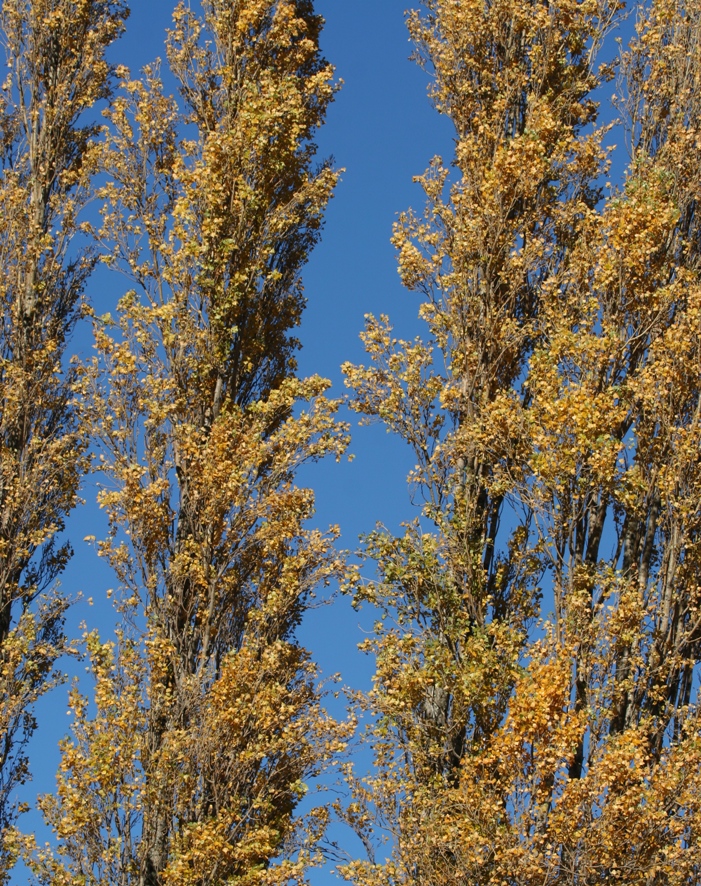
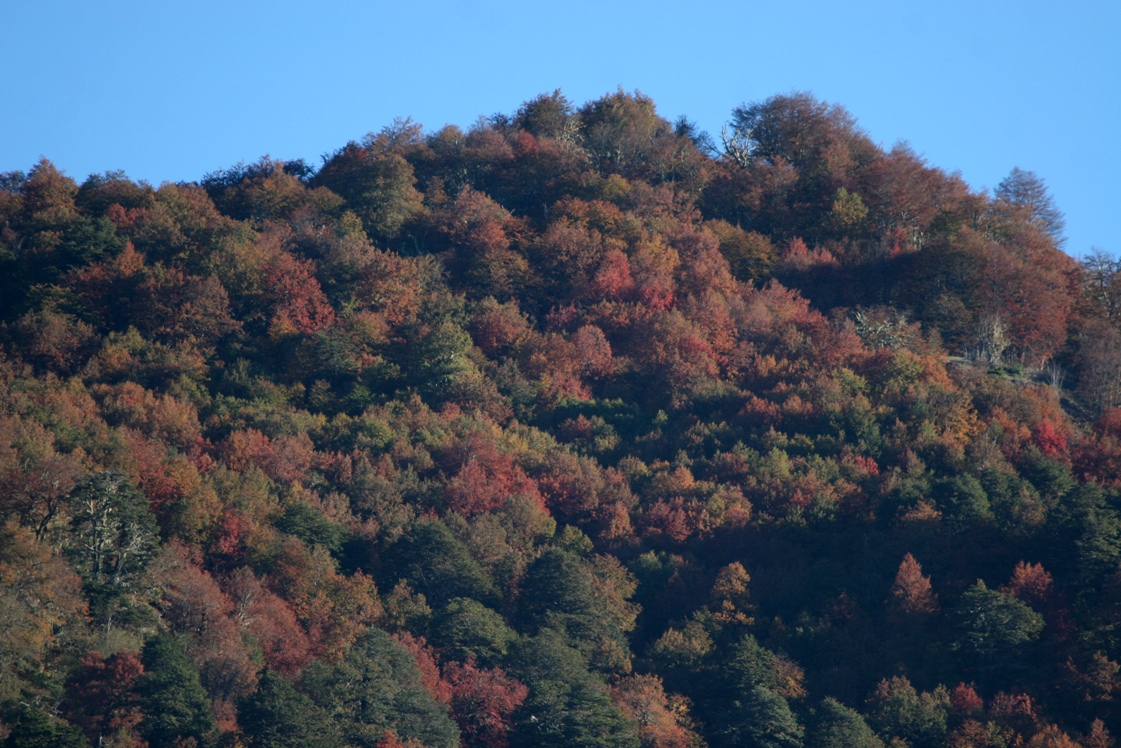
Fall is here and Winter is right around the corner. The picture of the frosty lawn is our front yard last Wednesday morning
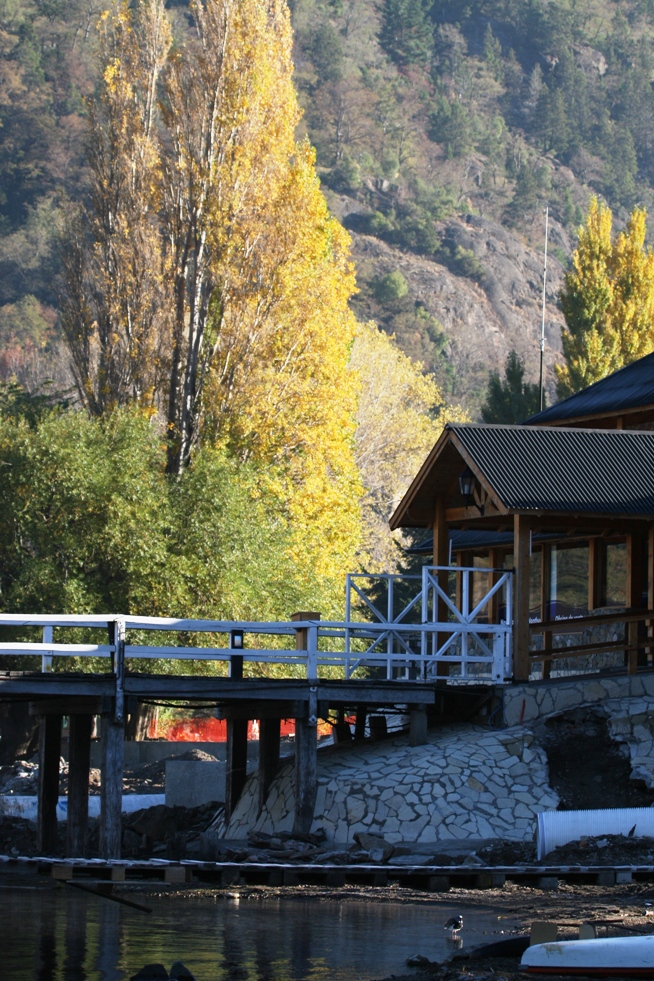
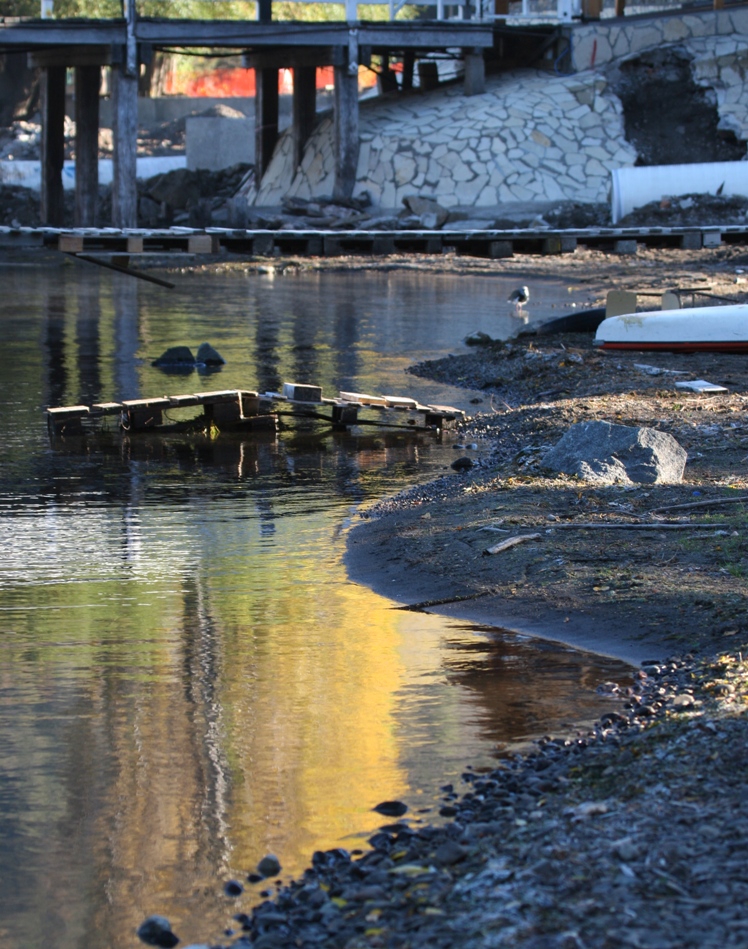
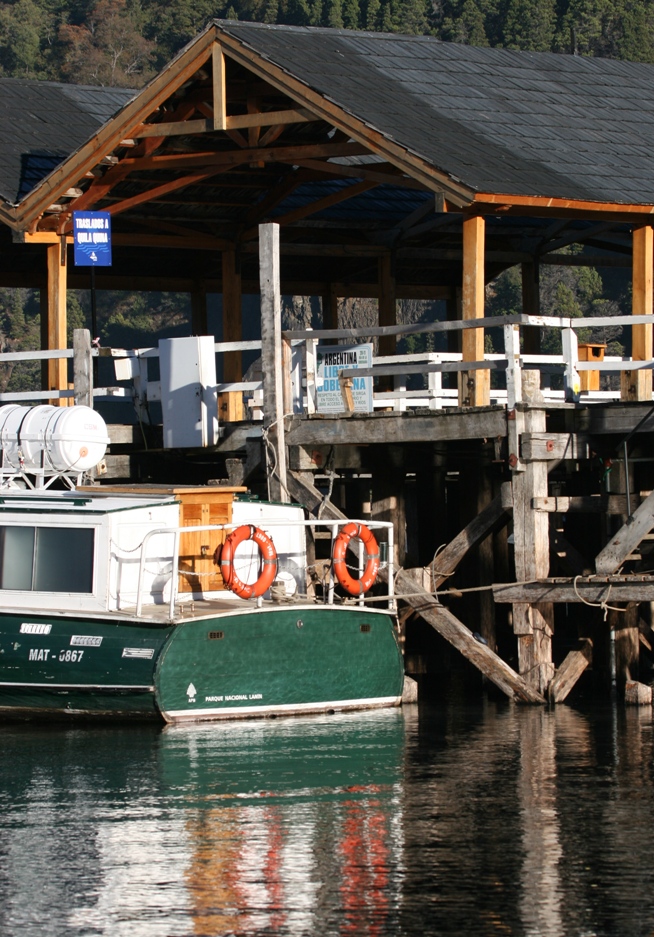
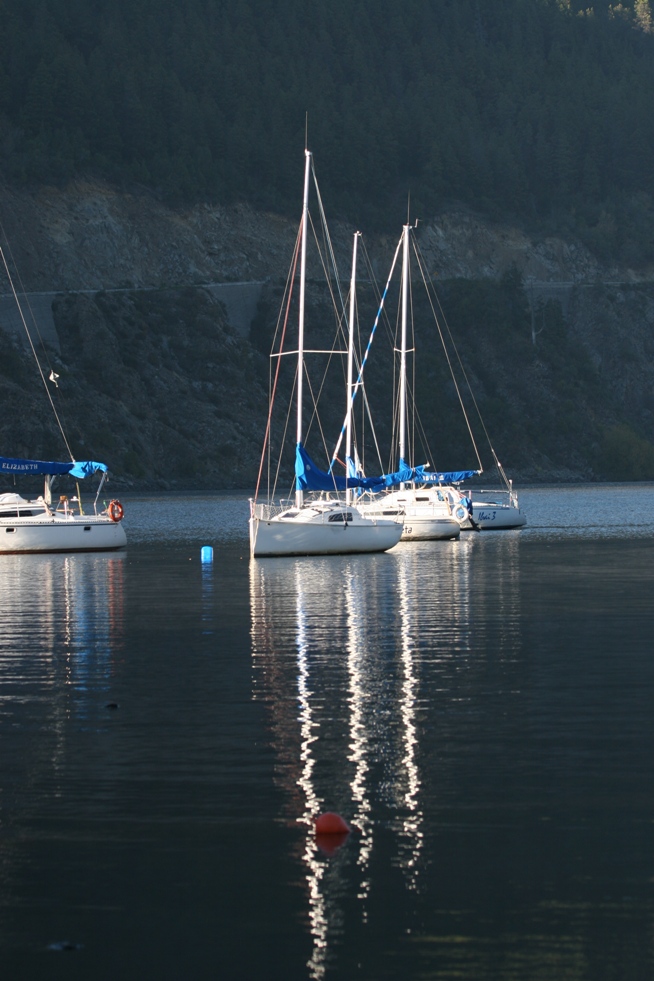
Calm water down at the dock.
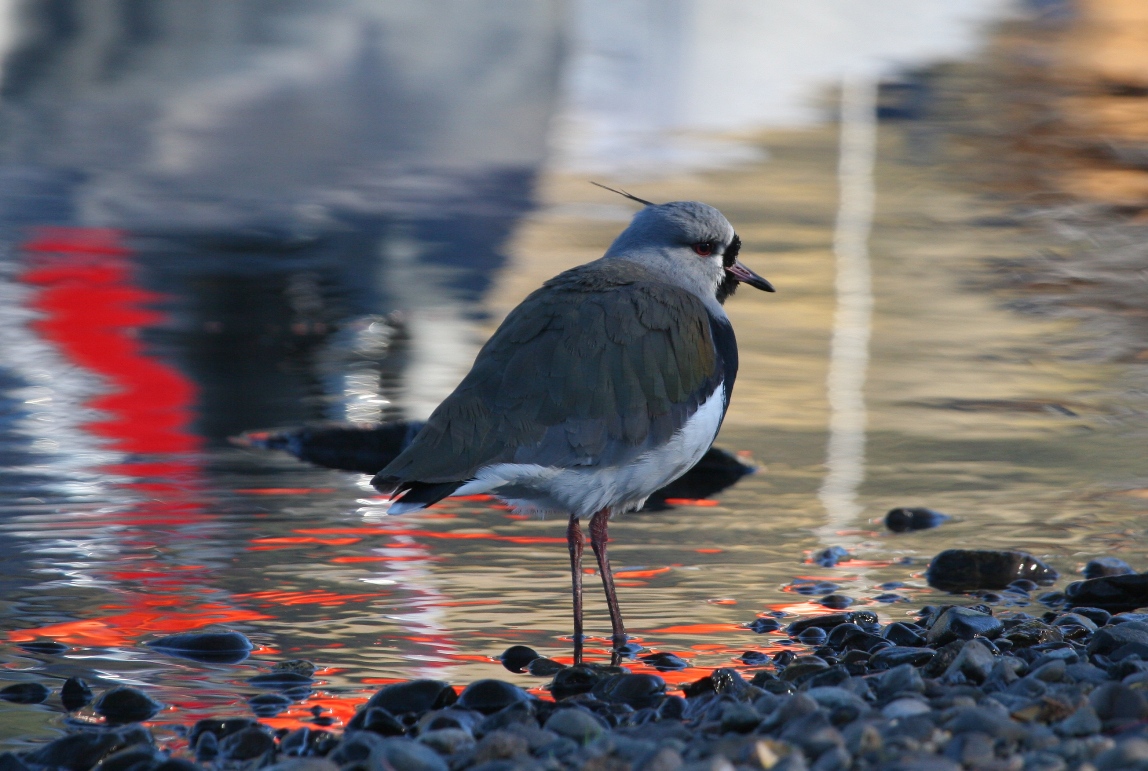
This is a bird. I'm not sure what kind it is, but I know that it is not one of the whistling hawks or colorful parrots that hang around our house (yes, there is a flock of about 30-40 noisy parrots that come and go throughout the town - they are entertaining to watch).
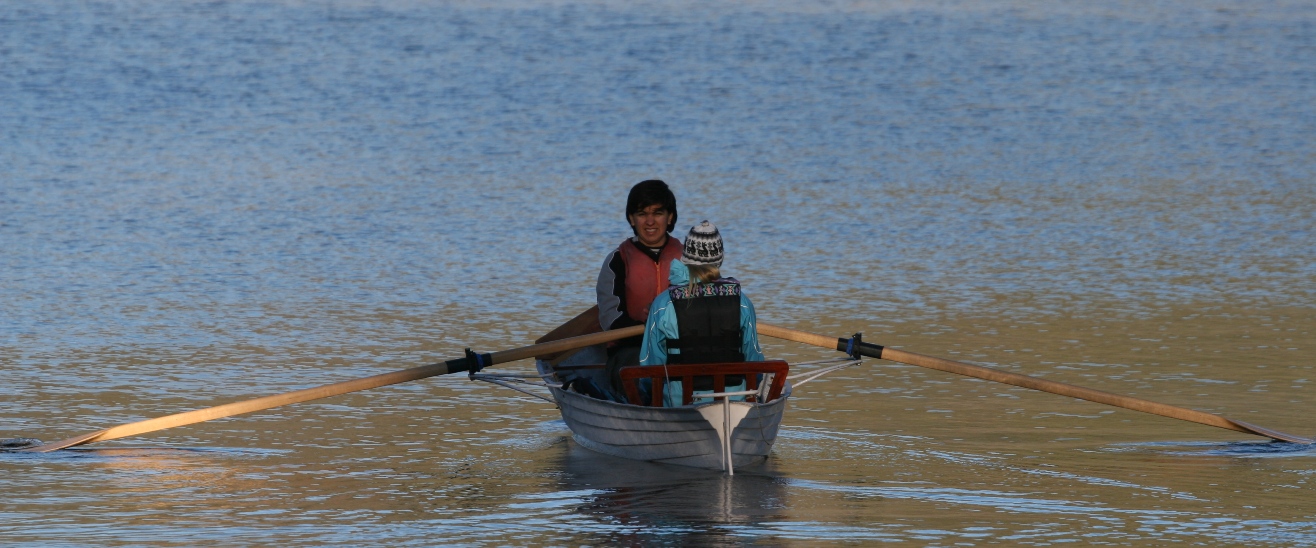
First Anna headed out in the passenger seat with Bebe's helper Gabriella.

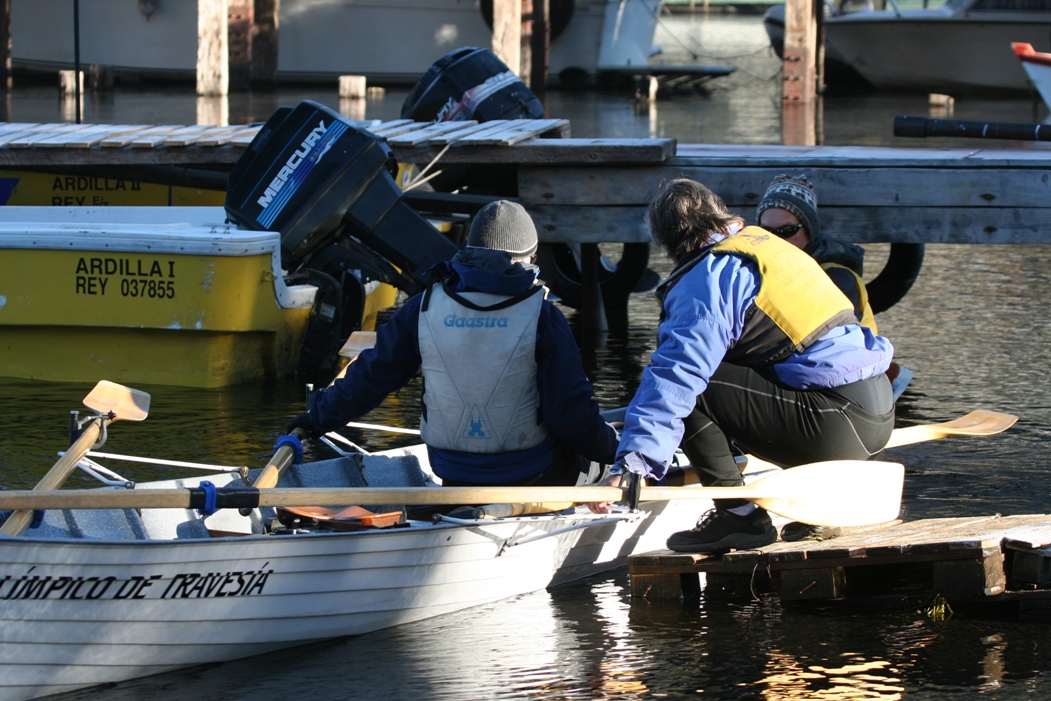
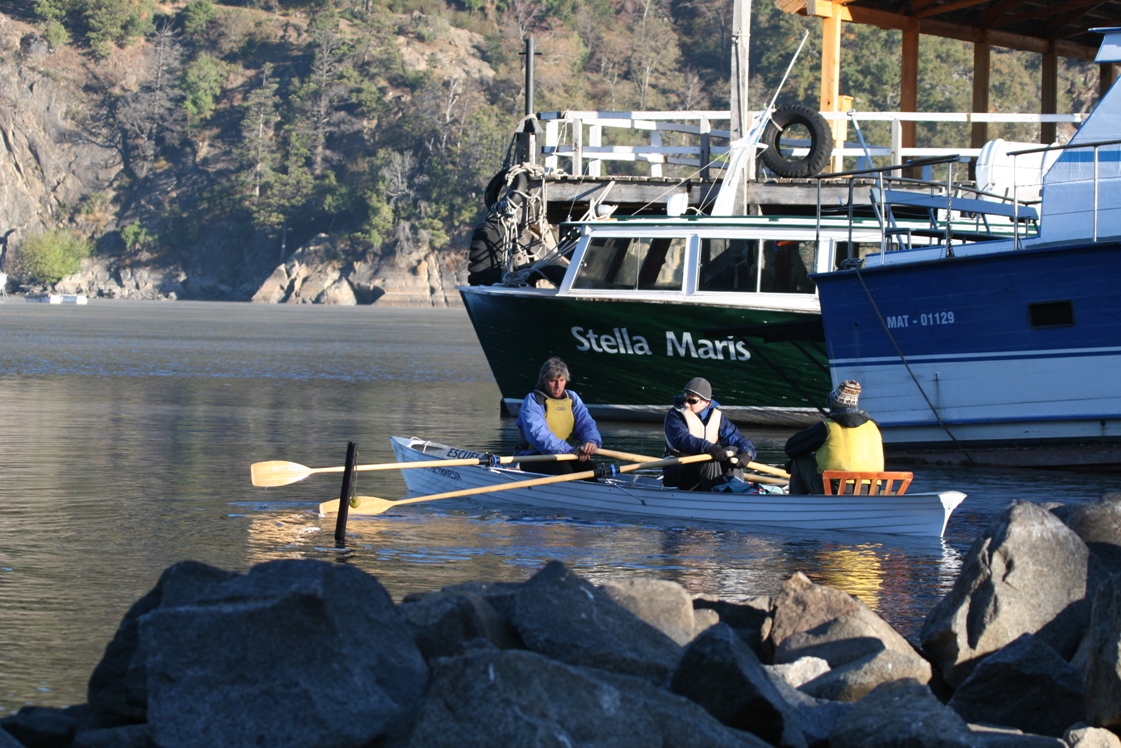
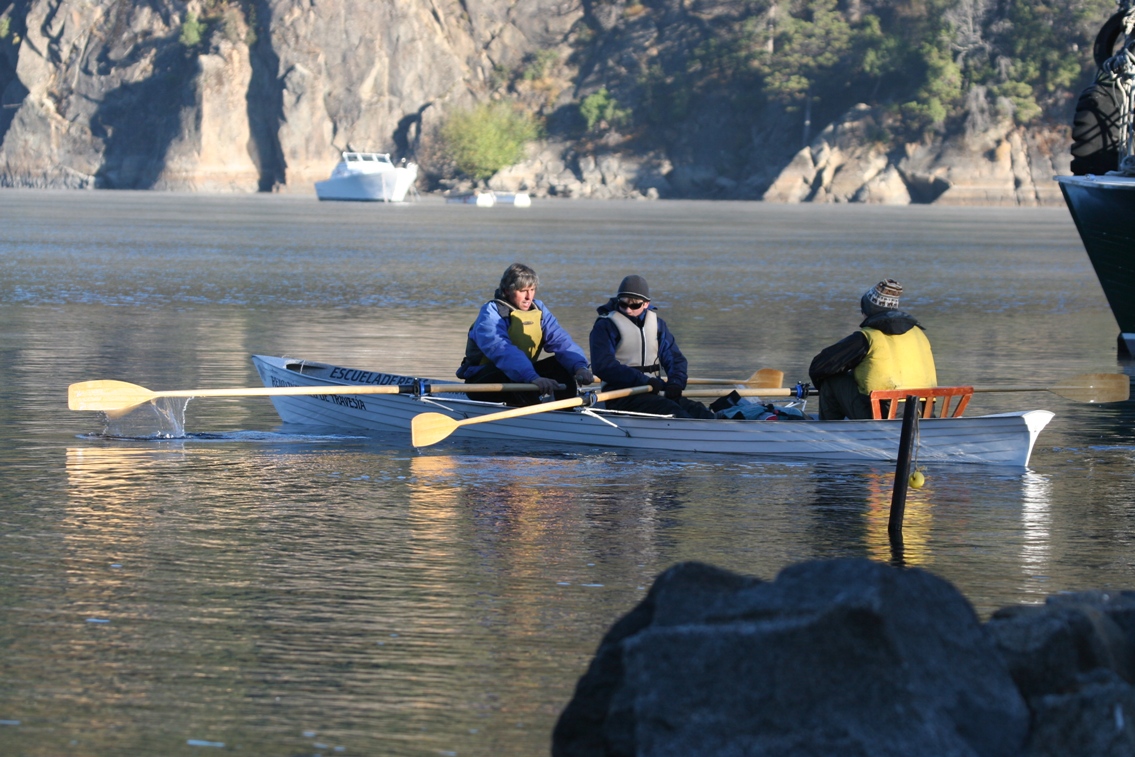
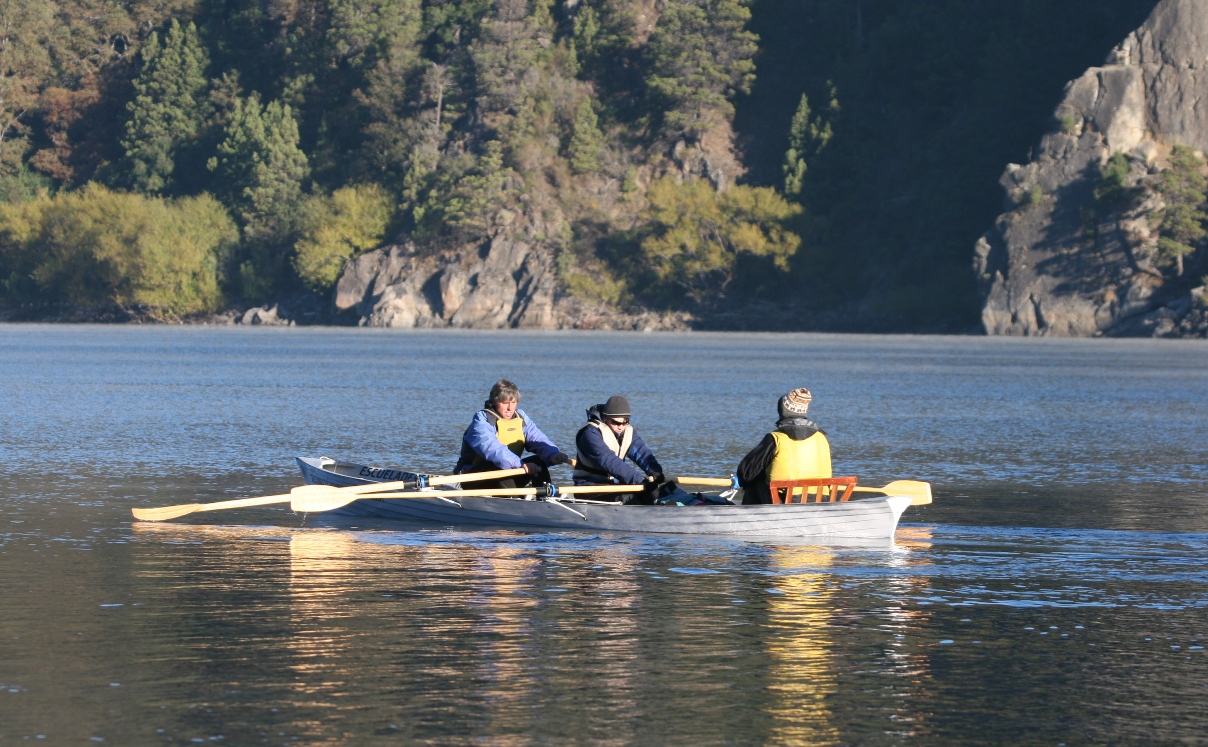
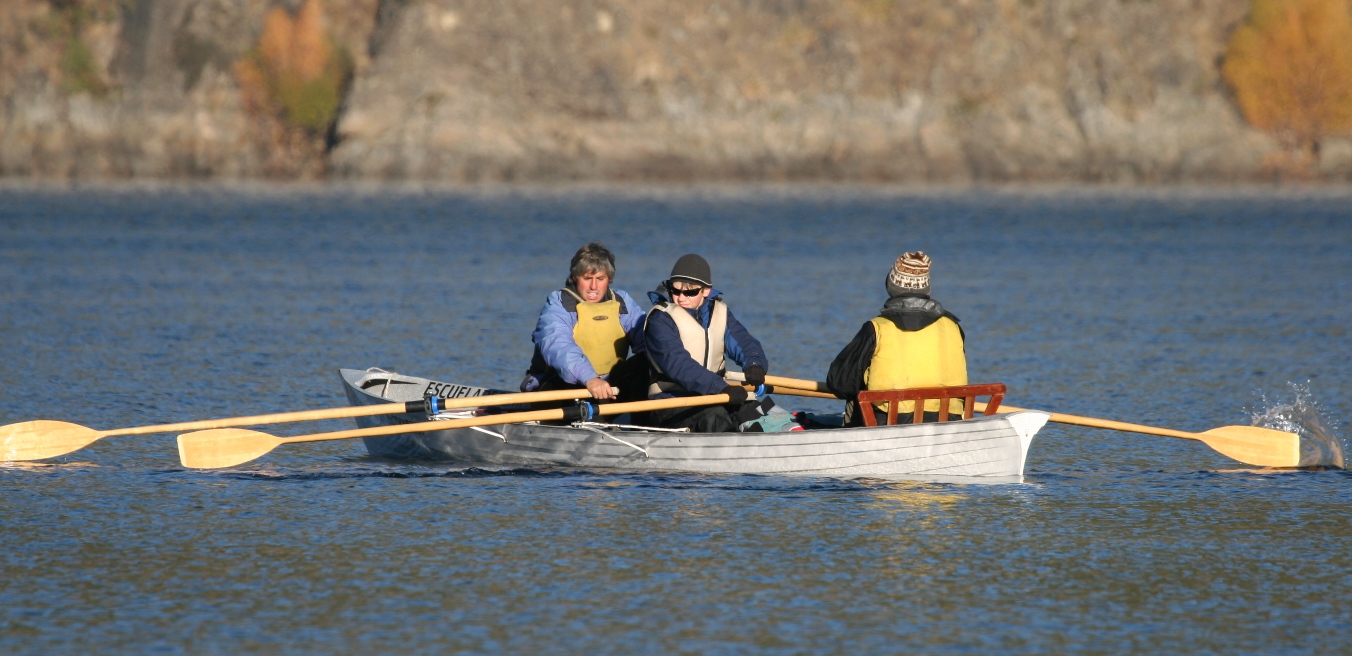
Then Bebe put Tom in the second rowing chair of a larger Travesía outfitted for two rowers. At first it was a little frustrating and difficult for him, mastering the hand-over-hand pull and release, simultaneously scooting in the chair which slides back and forth on a couple foot long track. Eventually he got the hang of it and we were off.
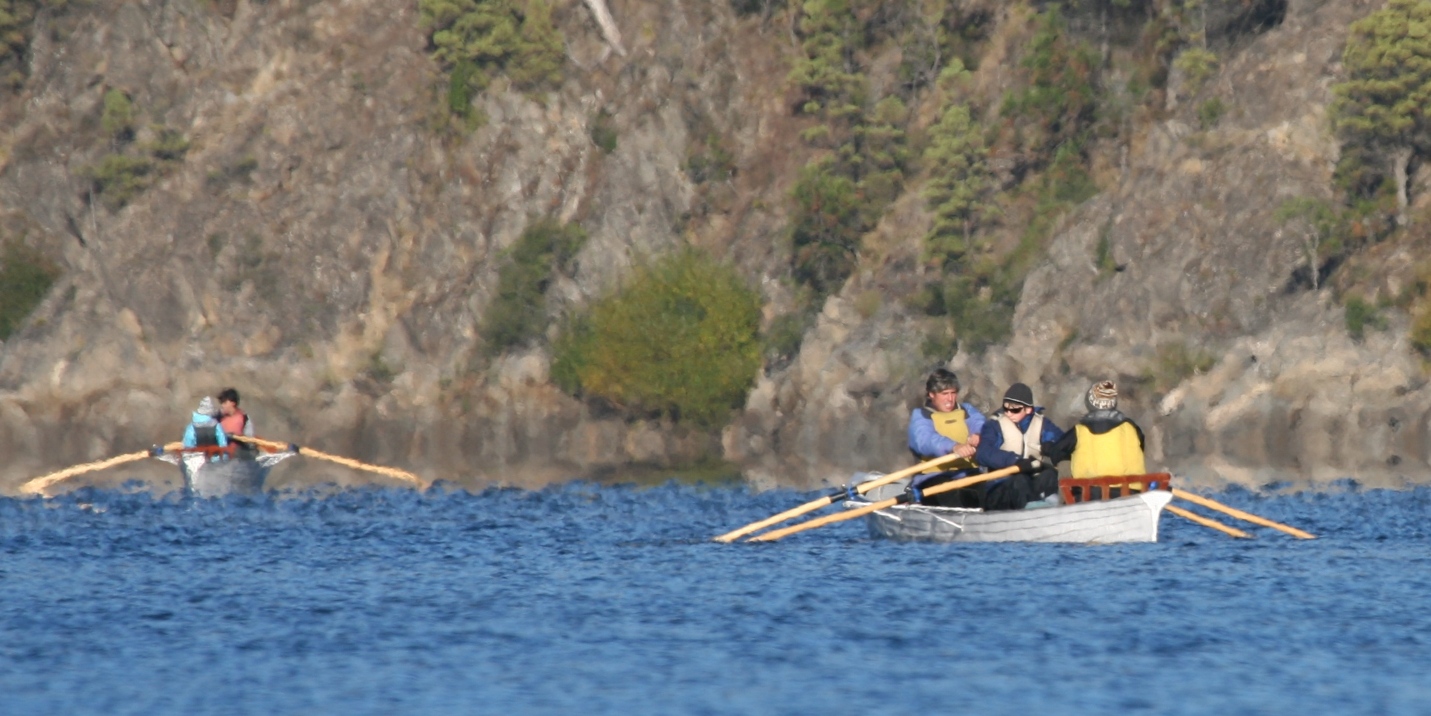
A few minutes later, we had almost caught up to Anna and Gabriella.
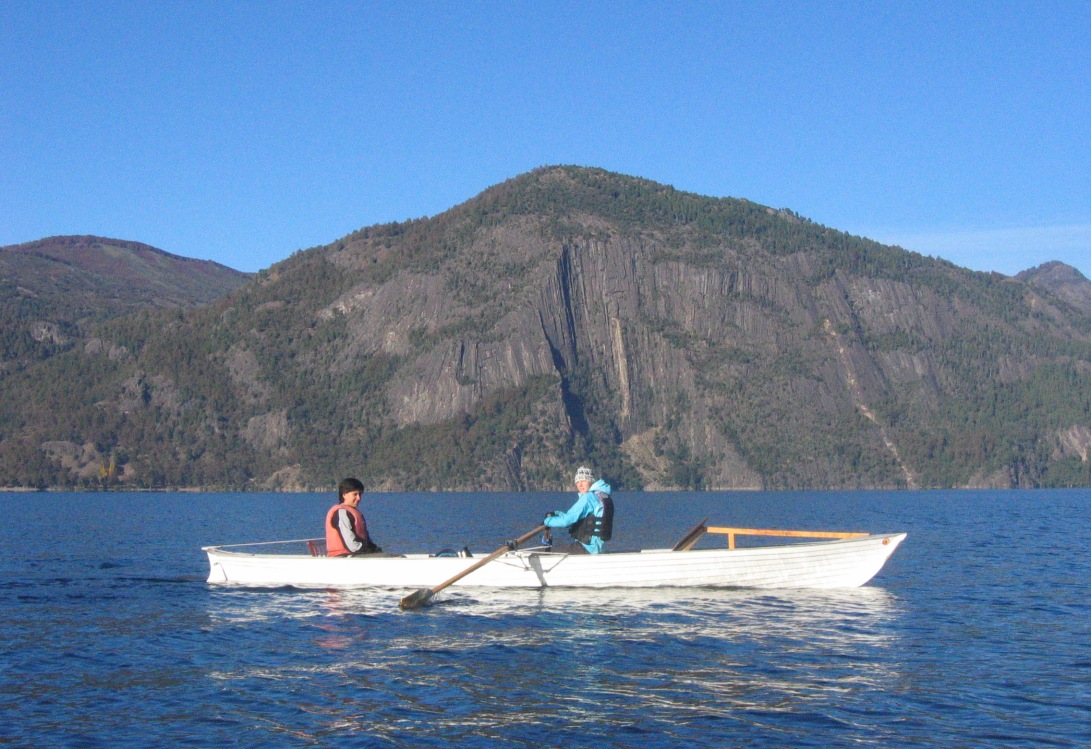
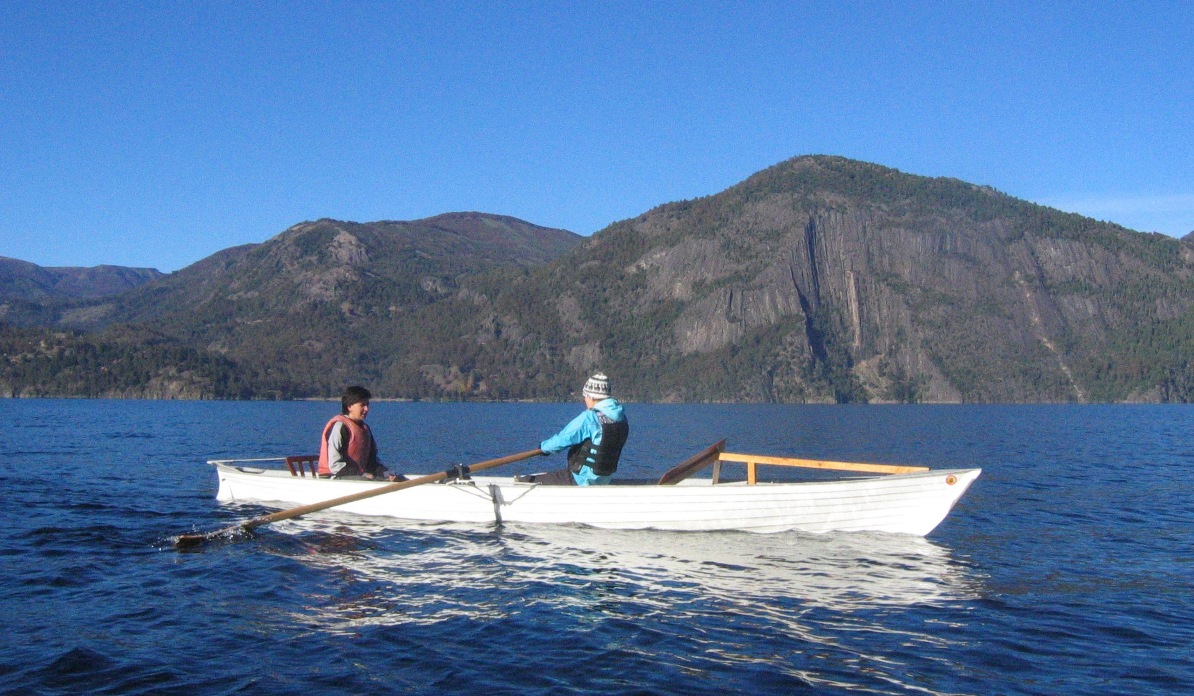
Anna took the oars after a little bit - it was too cold to let anyone sit without rowing for very long.
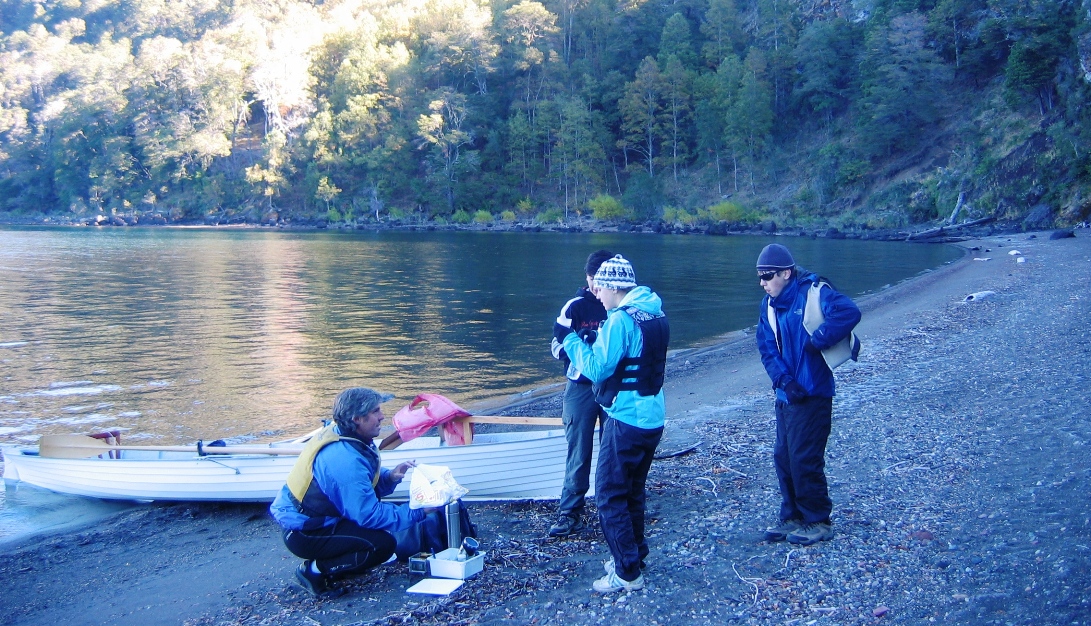
Snacks on the beach.
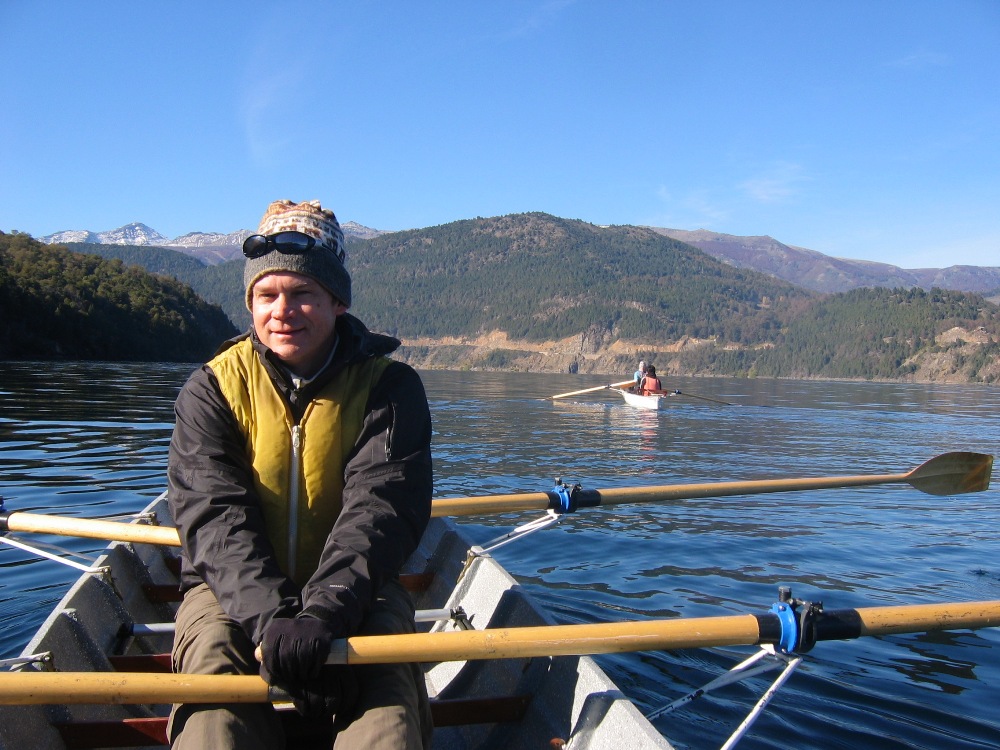
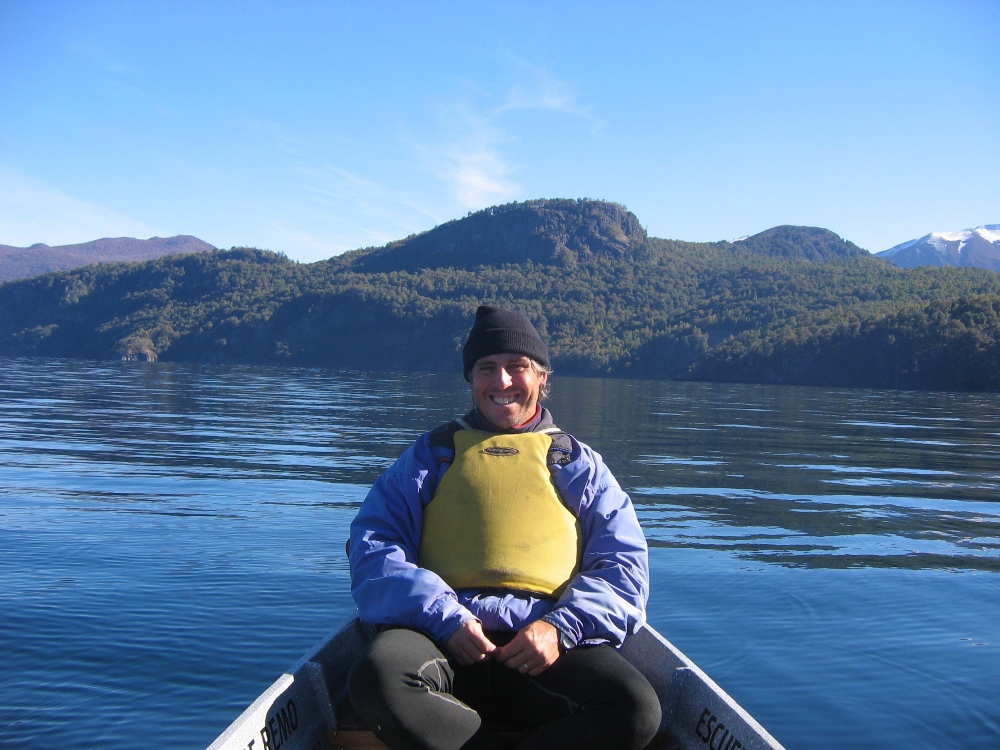
Tom and I gave Bebe a ride back to town. He seemed happy enough with the arrangement.
******************************************************************
Now for the topic of what we're doing when we're not rowing on the lake, and various aspects of what it's like to be here. As an overall summary, we're leading a pretty domestic existence, primarily centered around school lessons for Tom and Anna. After spending 9 months traveling and spending a lot of time sight-seeing and taking excursions, there's still a lot of school material left to cover if the twins are going be completely finished with their 8th grade curriculum before we return home at the beginning of July. Aside from a couple of other week-long stays in a cabaña or apartment, this is first time Lynn has been able to really set up the science and chemistry classroom - and there is an especially large amount of deferred hands-on and lab work to cover in that department. Tom and Anna are busy learning and Lynn is busy teaching!
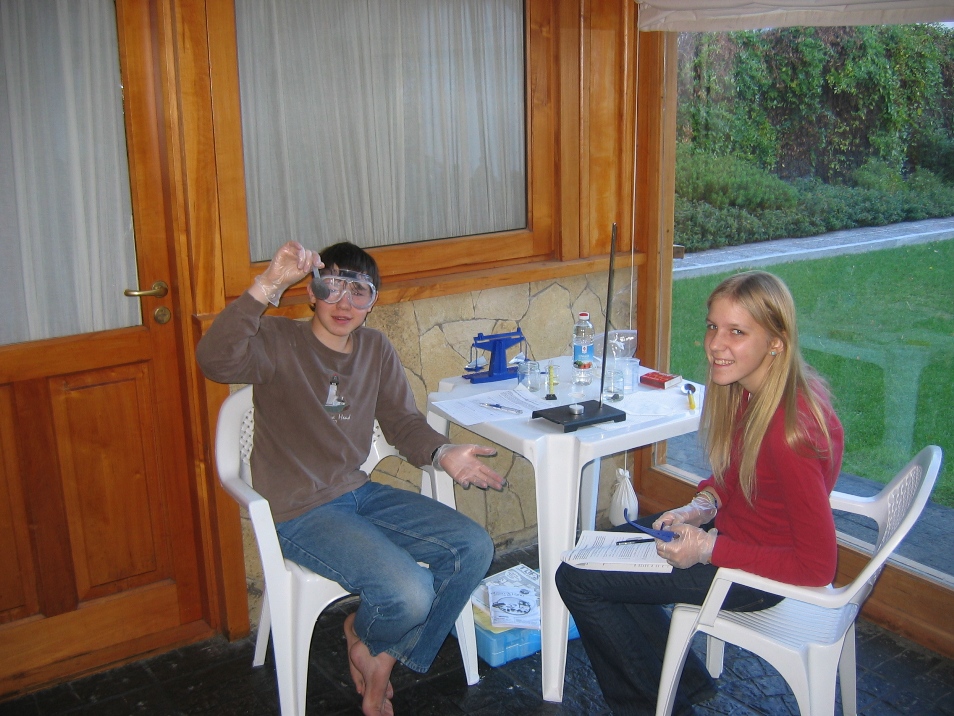
Chemistry lab; measuring, mixing, stirring, burning (sometimes), and observing.
Outside of the home-away-from-home-school classroom, our primary diversions and entertainment are things like short walks, meals in restaurants, afternoon coffee in the bookstore/internet cafe, and window shopping (with an occasional actual purchase) - not too drastically exciting. Tom and Anna ride bikes for 30-45 minutes almost everyday. I rented a good bike one afternoon and rode halfway to Peninsula Yuko before my legs gave out - I think I could make it all the way if I tried once or twice more. Lynn has Pilates class three times a week at a small studio about 4 blocks from our house.
Laura the Spanish tutor comes to our house three times a week to give Tom and Anna lessons. I walk a few blocks to the house of a woman tutor named Christina for slightly "more advanced" lessons. Lynn came to my session yesterday ask Christina questions about native Mapuche-style weaving. Christina has a small loom and showed me a work in progress during my last lesson. Christina told us that the retirement center has a loom-weaving class and that they let "young people" attend their classes, so just a few hours ago, Lynn and I walked over there and signed her up.
Anna and Tom went out for pizza one evening with Christina's sons Ricky and Frederico who are 13 and 14 years old respectively. Post-date feedback included the information that Frederico speaks English a little more than Tom and Anna speak Spanish, but not by much. Ricky doesn't speak much English at all. Ricky and Frederico's father is a park ranger ("Guardaparque") who when on-duty has to live about 5 kilometers outside of town near the Mapuche settlement of Quilo Quina. Christina told me that Ricky and Frederico are thinking about inviting T&A to visit their father's on-duty residence since he has a horse and they like to go hang out there - but the actual invitation hasn't come yet. Beyond that small amount of social interaction (for Tom & Anna), I doubt that much else will transpire in the next month and half before we leave - but it might.
I'm thinking about inviting Christina and her family over for dinner, preferably to serve them some sort of quintessential North American meal, but for anything other than hamburgers or baked chicken (both of which can be prepared from readily available local commodities), obtaining proper ingredients would be a challenge. An apple pie might be possible, but we still haven't figured out how to get our oven to produce a temperature between 250 and 500 degrees F for more than for a few minutes while it's heading either up or down towards more pronounced thermal extremes. The kitchen in our rental house is also very poorly equipped with pans & utensils. Luckily, there is fantastic restaurant & take-out food here so we won't starve.
Of course the best way to have Tom and Anna really learn Spanish would have been to put them into local school, but at this point we have too much other work left to cover for them to spend half of the day or more sitting in a classroom developing an ear for Argentinean Spanish and learning perhaps little else. According to what we've heard from the likes of Bebe and our Spanish tutors (all of them are somehow involved with the public education system in Argentina), Tom and Anna might not have learned a whole lot attending public school here in San Martín even if they were fluent in Spanish to begin with.
My tutor Christina is an adult-school English teacher and she normally teaches class in one of the local public schools every evening of the weekday. At my second or third lesson, she told me that she hadn't been working for almost a week because the janitors are on strike and her particular school is physically closed. It's too dirty to keep operating, and if someone else went in to try and clean it (like the parents or administrators), they'd have a confrontation with the striking janitors.
Not every public school in town is closed, but some are. Apparently the janitors, just like the farmers, are on some sort of partial, on-again off-again work stoppage - just enough to cause problems for everyone and get attention, but they keep working a little here and there while they're at it. A few days after Christina first told me about this, the teachers in town voted to strike for two days in support of the janitors, closing every school in town. Christina also told me that her sons are very happy with the situation.
Our rowing guide Bebe shook his head in disgust when I asked about the schools in Argentina, and he told me that he and his wife, like most others who could afford it, send their children to a private school. The problem isn't the quality of the teachers, but the limited hours of operation, and in many cases poor facilities and equipment, too. Someone-or-other is on strike for some significant portion of the school year, and even when they aren't, the school day is only half a day. According to Christina, here in San Martín they are lucky to have better physical facilities and programs than most other places in the country. There are special art, music, and vocational schools with classes that augment the curriculum and operating hours of the schools responsible for basic academics. If they could just keep them all open and operating most of the time, things would be fantastic.
Strikes and work stoppages of varying duration and significance are a constant factor of life in Argentina. And protests, too, especially if you happen to live in Buenos Aires. On a national level, the most significant labor issue going on at the moment is that strike by the agricultural workers. The truck drivers that transport the farm products are somehow involved as well, but I'm not sure if they are actually striking and/or protesting on their own behalf or as a matter of support for and solidarity with the farmers, like the teachers here did on behalf of the janitors. The truck drivers parked trucks across a major highway and completely shut it down for a week or more at the beginning of the strike. Now there is talk about them doing it again.
The issue with the agriculture workers has been going on for almost two months, and in some cases, it is the direct explanation for shortages of certain types of products in the grocery store. There is another type of "rotating availability" when it comes to what's on the grocery shelf here, especially when it comes to produce and other perishables, that I think is probably more constant and normal. One day there may be no lettuce, but two kinds of tomatoes, zucchinis, and nice looking pears. Two days later, there are four types of lettuce, but no pears, no carrots, and no tomatoes - and oh look at that nice new supply of nice looking tangerines, but where did the grapefruit go? I have no idea how much of this sort of come-and-go phenomenon is due to the remoteness of San Martín vs. being something that goes on any and everywhere in Argentina, but it is clear from watching the local news, various and even more pronounced foodstuff outages than we've seen here are cycling through Buenos Aires due to the agricultural strike.
What are the grocery, produce, and meat markets like? I started writing about that and got carried away - so I split out that whole discussion into a rather long-winded "special topic" on grocery shopping in San Martín. For anyone who really wants to know what the food stores are like (especially the La Anonima - there's pictures from inside of that one!), you can read and look at this:
Special Feature: Grocery Shopping in San Martín de Los Andes
***************************************************************
Last Friday, a telephone line with internet was finally installed in our rental house - this was something that the rental agency told us would probably take "a week or so" when we first moved in, but it ended up taking a month. The delay really wasn't their fault, I don't think. Now that it's here I believe that they probably ordered it when they said they did. There are and have been other assorted annoyances with our house. Still, the luxury of spending entire or even multiple days in a row without getting into a car is wonderful. In addition to a surfeit of urban street noise (late night revelers, cars with bad mufflers and/or motorcycles racing up and down the street at 3am, a construction project across the street, car alarms, etc...), a week and a half ago the ceramic kitchen tiles bubbled up and the grout cracked after we had experienced the first cold night of the season. Then we got to meet Carlos the handyman (one of 3 Carlos's to go along with the 4 Lauras that we now know).
First he lifted up about 8 tiles and prepared the floor to re-lay them. Then he had to wait about a week for replacement tiles to come from Buenos Aires (he broke two while removing them). Then he put everything back in, using a softer, more flexible grout so the problem hopefully won't happen again. Then we got to stain our socks or carry grout powder around the house for a week or so while the grout fully cured. The worst was trying to keep the black stuff off of the white furniture.
Assorted people come to our door - sometimes selling something and sometimes just asking for food or money. People used to come up the front walk just to snoop through the windows, but that stopped after we covered the rental company sign with a trash bag.
Virtually all businesses and most of the nicer houses have alarm systems. It doesn't seem like there is significant crime here, and maybe it's because the Tres de Fierro security company does such good work. Or maybe not. I've seen plenty of un-locked bicycles parked in front of a cafe or the grocery store, and people of all ages and genders walk the street day or night as if street crime is not an issue (and I'm pretty sure that street crime is quite rare). I've not heard of anything and no-one has gone out of there way to warn us to be careful. Teens and even fairly small children seem to have free reign of the town on foot and on their bikes.
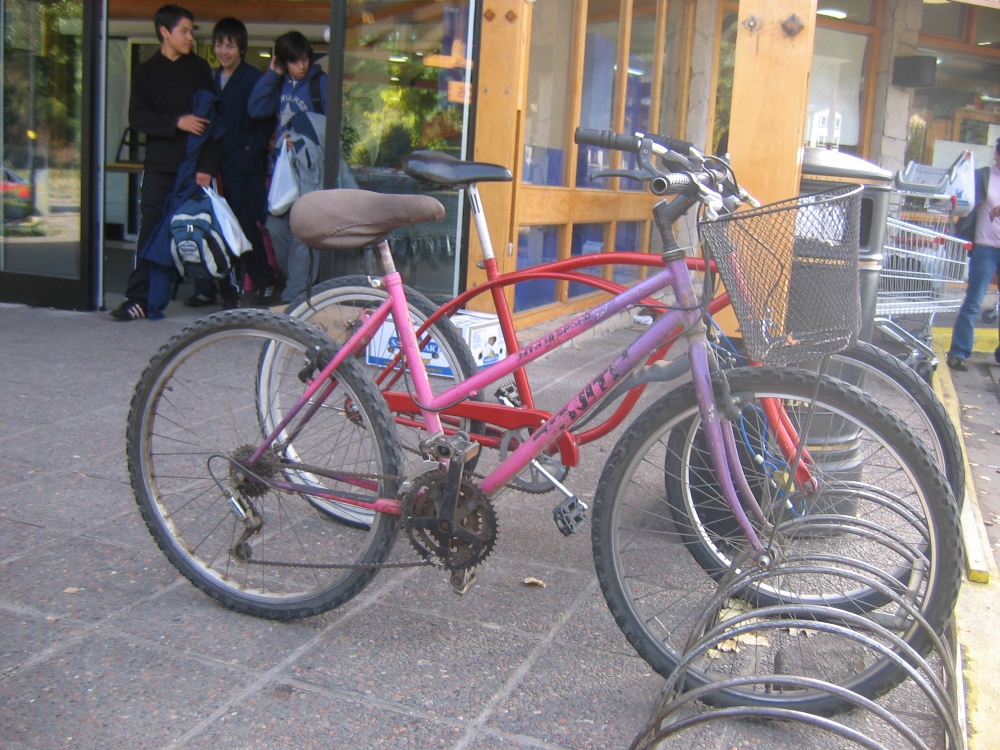
Un-locked bicycle (the one in the rear is locked) in front of the grocery store. The way I figure it, there isn't much of a market for stolen goods here because in such a small town, there's too big of a risk that the original owner will stumble across the merchandise. The only things worth stealing are things worth hauling at least as far as Bariloche to sell. Of course a really nice new bike might be in that category.
Tres de Fierro obviously believes that lights deters thieves, because the number of glaring spotlights in San Martín is alarming in and of itself. Most are constantly on during dark hours, but a few are tripped by motion sensors which indiscriminately respond to dogs, cats, passing cars, and waving tree branches as well as potential thieves. By contrast, a typical small town in Chile is quite dark at night. One Chilean told me it is because they signed the Kyoto accord and take energy conservation seriously. In northern Chile, they are especially concerned with controlling light pollution because of all the astronomical observatories in the region. I think they're also very concerned about the electricity bill. Argentina produces petroleum, the government subsidizes the cost of energy incurred by an ordinary citizen, and they leave an awful lot of lights on here at night - maybe even more than we do back in the USA.
One thing that's nice about our rental company is that they let me pay in cash installments, 4-5 times per month. They also allowed us to move in before paying a penny, and did not demand a security deposit of any sort. I pre-pay for a week at the most. Today I made a payment and it was a day late. No one called me to ask about it yesterday, but I did call them about 15 minutes before they closed for the day to ask/tell them I was planning on coming today, and to see if they minded, which they didn't. I'm half tempted to not pay when the next installment is due and see how long it takes before they call me.
It's hard to imagine someone working with that sort of casual trust back home. That's a refreshing aspect of both Argentina and Chile - you can get an oil change or rent a hotel room (or even a house!) without pre-paying or signing a multi-page contract and release form. Either the people are less worried and more trusting because there are fewer lawyers, or are there fewer lawyers because the people are more trusting and less worried about each other's honesty and integrity.
Of course, there's the question of who is trusting whom. In Chile, it seemed like anything worth more than fifty cents left out on the street unlocked and unguarded would get stolen within minutes (and I'm sure it's true for much if not most of Argentina as well) - but we could arrive at a hotel as a family driving a decent car, and they'd let you me run up a $1000 tab without even demanding a credit card imprint or photo-copy of my passport. A simple registration form (which I could have filled in with garbage data) did the trick. I believe that a more sharply defined class society than we have back in the US is clearly involved in the manner in which people behave and treat each other here in South America. "Unskilled" labor pays very little and the minimum wage would be considered far below the "why bother" mark back home. When we were looking for rental houses, a real estate agent told us that that the going rate for local maid service was 9 pesos (less than three dollars) per hour. I think this is probably high compared to other parts of the country.
When I go to the real estate office to pay the rental bill for our house, I like to sit there and ask Laura (Laura #3) lots questions just to try and understand her answers. She's happy to tell me all about whatever I want to know. I nod and she thinks I'm following along - sometimes yes, sometimes no, sometimes just a little. Sometimes I stop her and make her start over, too. I consider these to be "free of charge" Spanish lessons.
*************************************************************
What else is going on here? According to yesterday's paper, a small and short-lived police officer's strike in another city in Neuquen Province is now over. Children and parents in Bariloche are complaining about a new "Technology and Science" High School which is being built without a cafeteria, laboratories, or library. Politicians who aren't in power are vehemently criticizing those who are. And there are soccer matches and car races going on all over the place.
Regarding politics, the British weekly periodical "The Economist" just published a review and critique of the first 5 months of administration of the new president of Argentina, Christina Kirchner. In short, they ripped her a new one, stating that she has handled the agriculture strike badly, that the country needs to de-regulate the peso, and that they should stop subsidizing energy costs. President Kirchner is the wife of former president Nestor Kirchner, and many if not most people assume that Nestor and a set of political cronies they call "Kirchnerites" are still substantially involved in what's going on with her administration. Sometimes articles in the paper even refer to the country being run by "Los K" and not just a single president!
While "The Economist" is most likely guilty of some basic conservative chauvinism, they have a supportable argument. The new President Kirchner just gave a speech in El Calafate chastising business owners for raising prices and threatening that the government might take "harsh measures" if they didn't just stop it. She and her cabinet members continue to play hardball with the farmers and there's no end in sight to to that situation. Shortages at the gas pump (some times for multiple days) are not unusual. The government blames the oil producers and the oil producers blame the government. Locals shrug their shoulders and tell us "It's all just politics," but perhaps the end users really should start paying more for gasoline (and hopefully using less) and turning off the lights at night.
Still this is a beautiful place to be and live. I think the young people of San Martín have a fantastic situation and a great place to grow up and enjoy their youth. There's a community sports center with floor hockey and soccer teams and lessons for tennis and karate, among other things. The city has an indoor pool, multiple video arcades, a movie theater, cultural center, and a retirement center with its own variety of classes and services (for the more mature "young people"). The sidewalks of the main avenue are thick with teens and young adults even on weeknights and especially during the weekend.
If the janitor and teacher strikes get resolved and a regular school schedule starts getting in the way of the kids being able to have enough fun, there are plenty of planned holidays to fall back on. Last Thursday was "May Day" (the international day of the worker celebrated by most of South America and Europe). Saturday the power was off for all of San Martín and the nearest neighboring city, and then it was off again all day on Monday. These were planned and publicized outages scheduled for the servicing of generators at the power plant. A lot of the shops were open Saturday either running off of a generator or running a cash only, paper receipt, in-the-dark business. The public schools were be closed Monday, with or without janitors and/or teachers on strike. They don't have money to buy gasoline generators and the fuel to power them in the budget!
*************************************************************
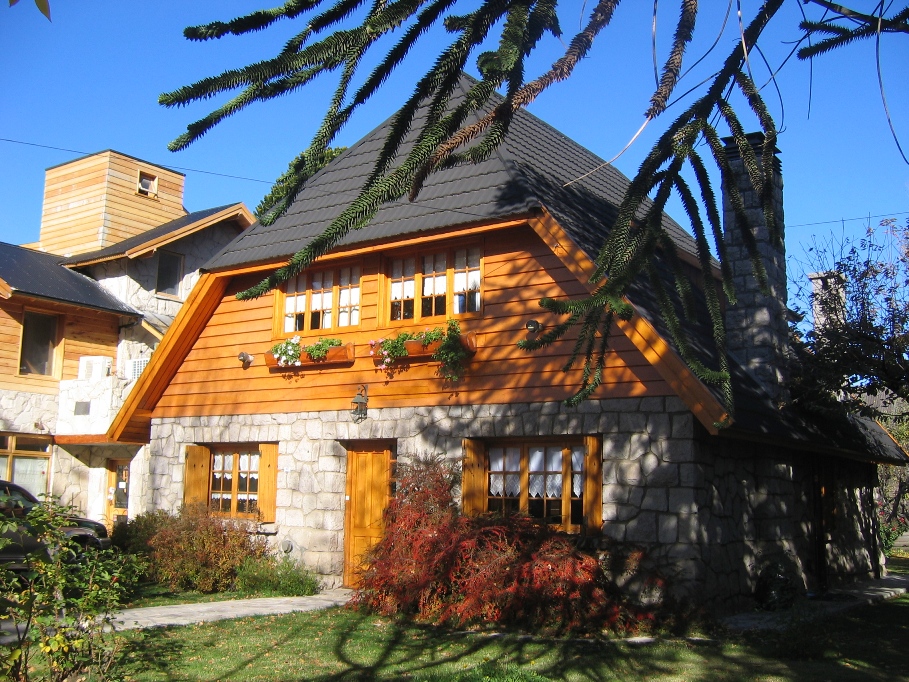
Here in town, the architecture and living conditions range from the elegant Alpine-Chalet look,
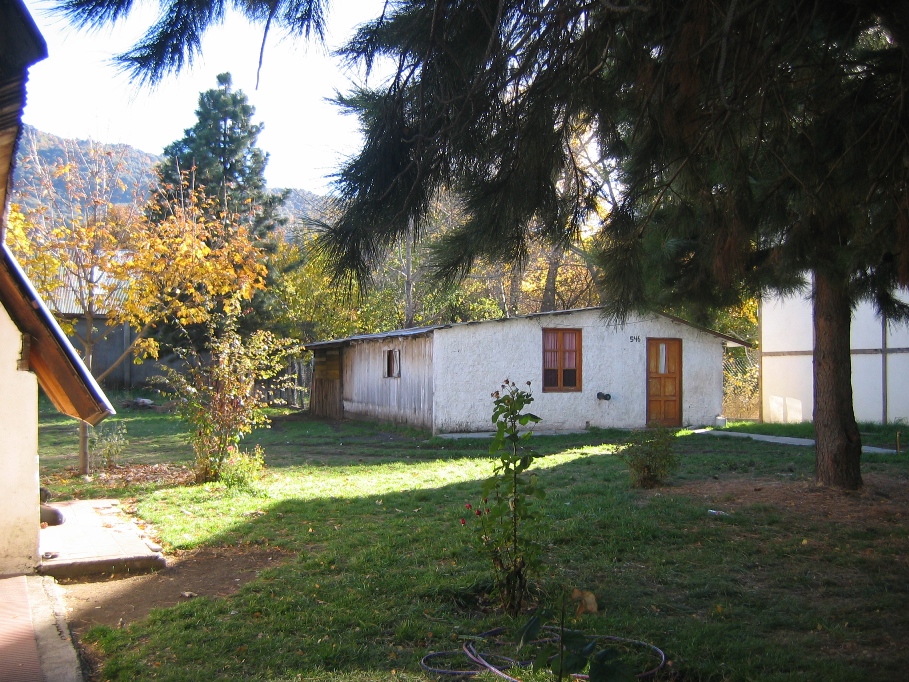
through the simple, austere hovel,
and all the way down to the basic empty lot with graffiti-covered wall which is home to a small cluster of old homeless guys - the types who in less sensitive times and by less sensitive people might have been called "bums" or "winos."
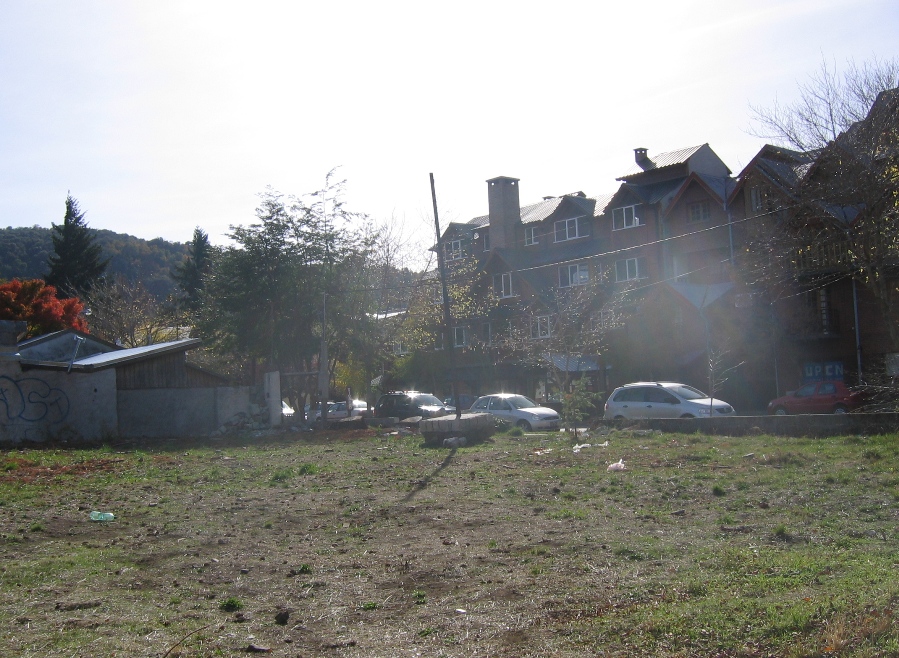
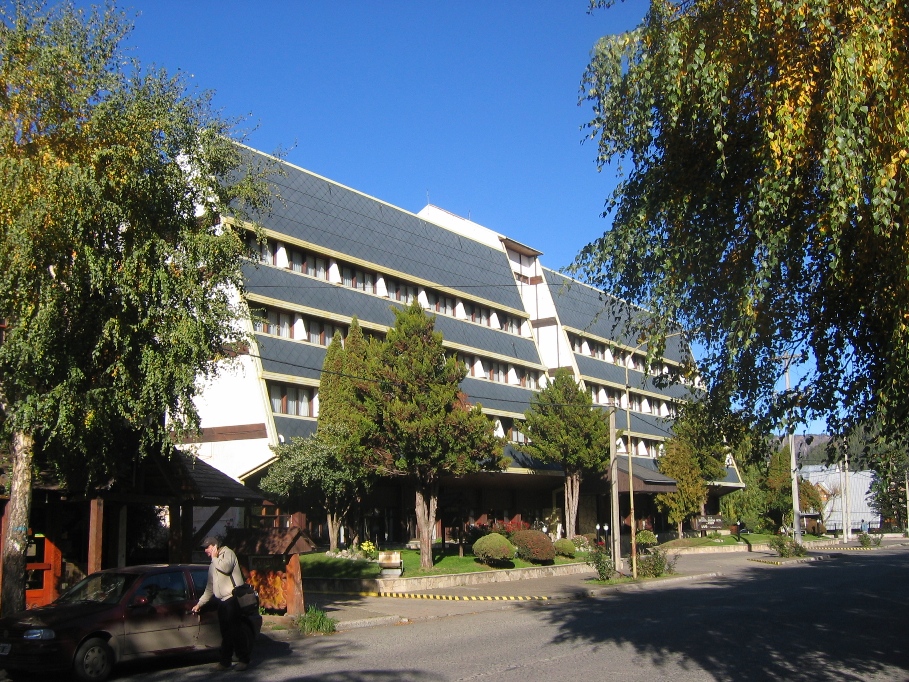
Although a large percentage of the buildings in San Martín are quite handsome, there are a few outright ugly and/or out-of-place ones. These days, they have strict building codes and something looking like this would probably not be allowed to be built. Not that it's so terribly awful (or maybe it is...) in its own right, but this building clearly doesn't fit the surroundings of what's around it.
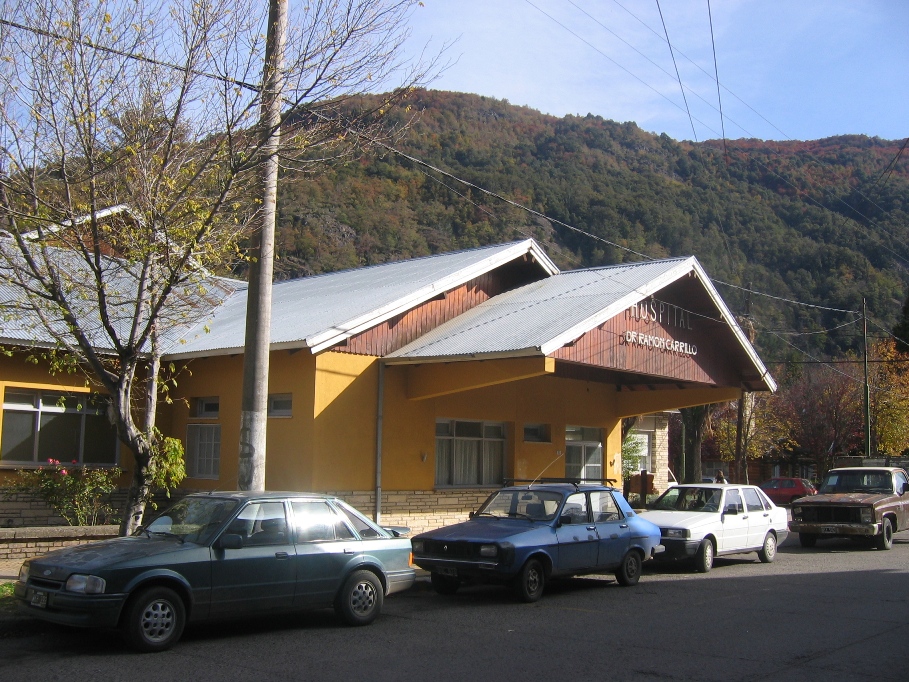
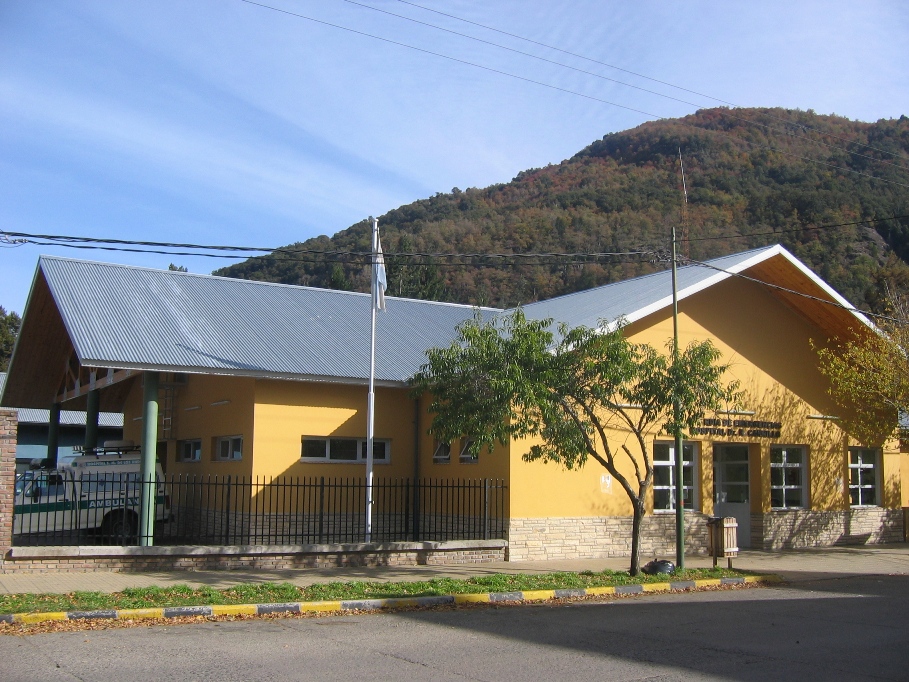
The hospital (and emergency room) is rather utilitarian looking, and although I haven't been and hope to never be inside, I assume it's cleaner there than on the outside. I suppose I'd trust them to stitch up a minor wound or set a very simple and basic broken bone. It is sort of a comfort to know it's only two blocks from our house when I'm watching Anna chop vegetables with one of our dull kitchen knives.
********************************************************
In summary, life goes on here amidst a slightly different variety of fundamentally similar issues and problems. I'm not sure how soon I'll write again, but if the volcano drops ash on us, or if we go anywhere outside of town, or if it snows, we'll at least have some new pictures to post for sure.
-Rolf