Monte León
Prairie Penguins, Home Away From Home
Thursday February 7, 2008
We packed Geoff up and sent him home again, for a second time, this time from Argentina instead of Chile, and just like the previous time, he seemed happy and anxious to be going home. He said he was looking forward to a new semester at school, even including the classes part. I guess that's a good sign, and it's only normal for a 19 year old to get more than their fill of family after 7 weeks of 24-7.
Now what will we do? Where will we go? What can we add to the truck to take up the space formerly occupied by Geoff and his luggage?
Well, we did have plans and an itinerary that if followed explicitly, would lead us northward on a zigzagging trajectory - bouncing between the coast and the mountains a few times until we end up in San Martin de Los Andes (not far from Bariloche) in late March. After that, we have no further detailed plan, other than to stay in one place for a month even longer as long as we can find a place we like living and suitable accommodations, both from a budget and comfort perspective. San Martin de Los Andes is a big Ski Resort near mountains, rivers, lakes and all that kind of stuff, so it seems like it should be able to provide what we're looking for during the reduced-price temporada baja (low season).
But for now, there is today, tomorrow, and the next few days after that to concern ourselves with. Our original calendar told us we should drive due east back to the coast, spend a couple of nights in the bustling town of Puerto San Julian, and then drive 150Km northwest on gravel roads to an estancia that has been converted into a lodging facility for archeological researchers and students investigating evidences and remnants of the ancient Neolithic peoples of the region. The estancia also provides lodging for tourists and the researchers have educational programs for the visitors "just passing through" - it seemed like a good place to hunker down for a few days and add a little archeological emphasis to the school curriculum. But the thought of spending two nights in Puerto San Julian instead of just one, especially after passing through the town once already on our drive down to Tierra Del Fuego, this was not particularly attractive or motivational.
We had figured out this flaw in the schedule about 15 minutes after arriving in Puerto San Julian the first time, and on our way out of town, Lynn began looking over the map and guidebooks for alternative options. She found one pretty quickly, in the form of an hosteria in a converted old estancia house not far from the main highway and cut-off dirt road that leads over to El Calafate (the route we'd be taking on our return trip), and suggested that we stop in just to check it out and ask if they had openings. The hosteria is called Monte León, and it is located on the property of Argentina's newest national park, Parque Nacional Monte León. The national park is typical of the Patagonian Atlantic coast; dry, windy, former ranchland with not much vegetation other than the short, tough bushes that cover much of the Patagonian steppe. So why is there a national park here? A slightly closer look reveals amazing natural geographical features - in the flora, the fauna, and coastal geography as well. The park contains a Magellanic penguin rookery where over 75,000 pairs of penguins breed each year, sea lion and cormorant breeding sites, guanaco, rheas, hares, puma, owls, and more. And the hosteria is an elegant, comfortable old home with a large staff that dotes on the guests staying in its three and only three bedrooms.
Who's idea was it to make a national park here? Some North American businessman named Doug Tompkins - his name just keeps on cropping up everywhere. Sort of like what happened with Pumalin in Chile, Tompkins' "Patagonian Land & Conservation Trust" bought the land and then managed to turn it into a protected area and park. Admittedly, I had read about the place and rejected it as being "too expensive" based on what one of our guidebooks had said. But for just one or two nights, and especially after spending one noisy night in the cigarette smelling "best hotel" of Puerto San Julian, it was worth a look-see. When we drove up the drive to the old house, the dueña Sylvia came walking out to our truck to greet us, accompanied by her arthritic & friendly old black Labrador retriever. Then she showed us the inside of the house and the organic garden, and then finally, told us the price - only a little more than half of what I thought it would cost after reading the guidebook. Still expensive compared to a cheap hotel in a little coastal truck stop and port town, but good sleep, breathable air, and healthy food are fairly important to us. We took the business card of the travel agent that arranges their bookings (from Buenos Aires), and eventually worked out a reservation for two nights on our passage back through the area. Which would be right about now.
The most recent complication was the sudden and tragic death of an old colleague of mine, and the question of whether or not I could and would go home to attend some sort of memorial. We left El Calafate heading for the estancia on Tuesday morning not entirely sure if we wouldn't be heading back soon so I could catch a flight back to the US, although flying out of Rio Gallegos - on the coast and much closer to the park - seemed like a possibility as well.
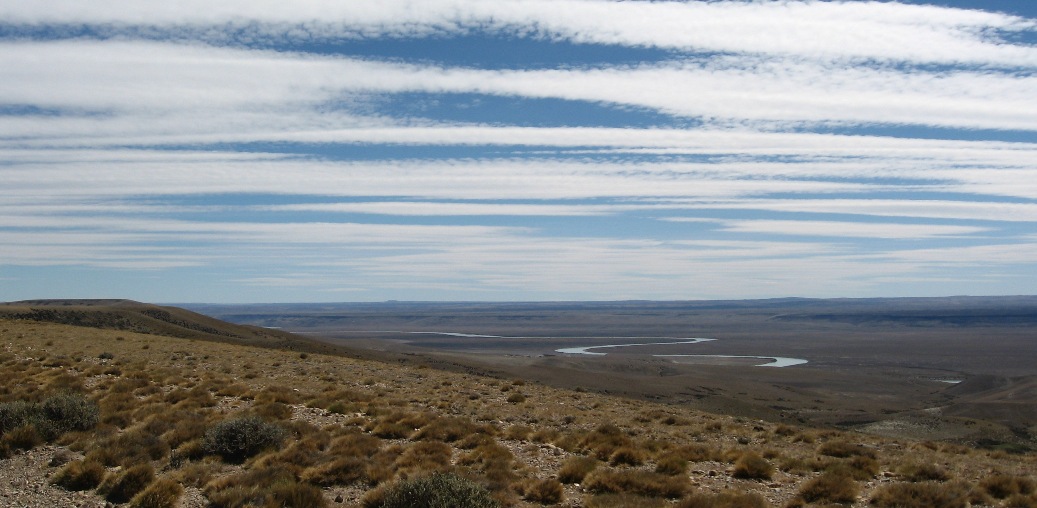
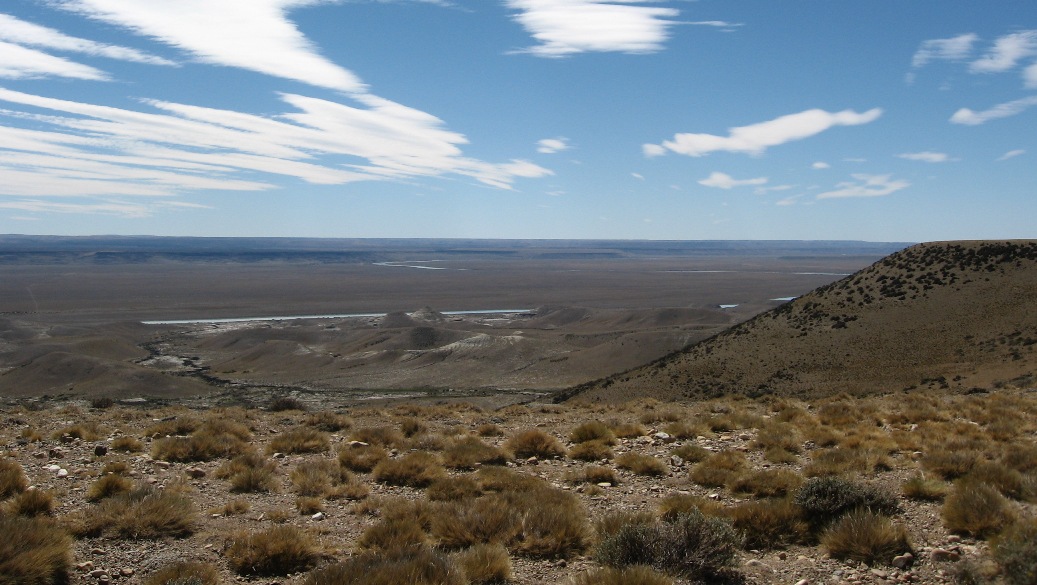
Crossing the Patagonian stepped for the second time, this time on a dusty gravel road, provided amazing views of the Santa Cruz river and a valley that is vague and barely discernable in some places, and marked by steep hills and cliffs in others.
We completed the desert crossing in under four hours with our truck - a journey that would take more than two weeks for the horse-drawn carts carrying wool from Estancia Anita near El Calafate to Rio Gallegos.
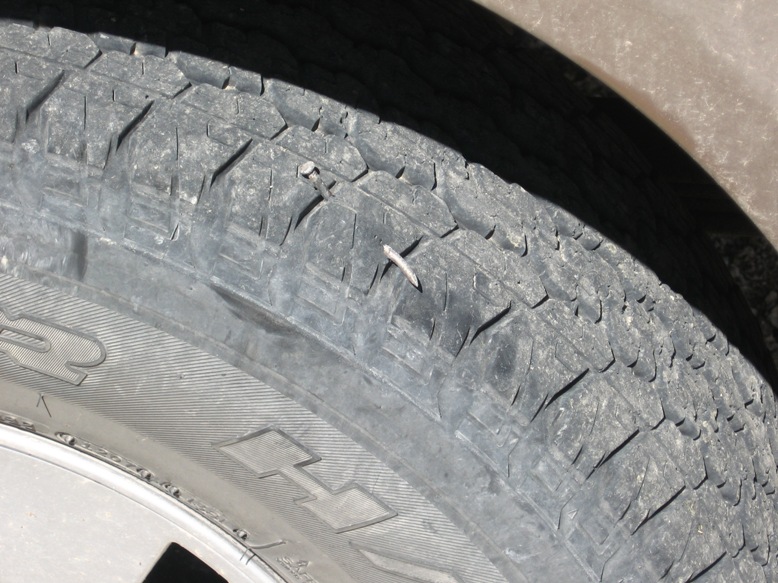
And we survived a "near miss" with a flat tire...
After unloading our luggage and reviving with a cup of tea in the parlor of Hosteria Monte León, we had several hours to kill before dinner. The weather was good ("light" wind according to Sylvia), so we drove a few kilometers south on the main highway, then almost 20 kilometers over to the coast inside the park in order to see the penguin rookery.
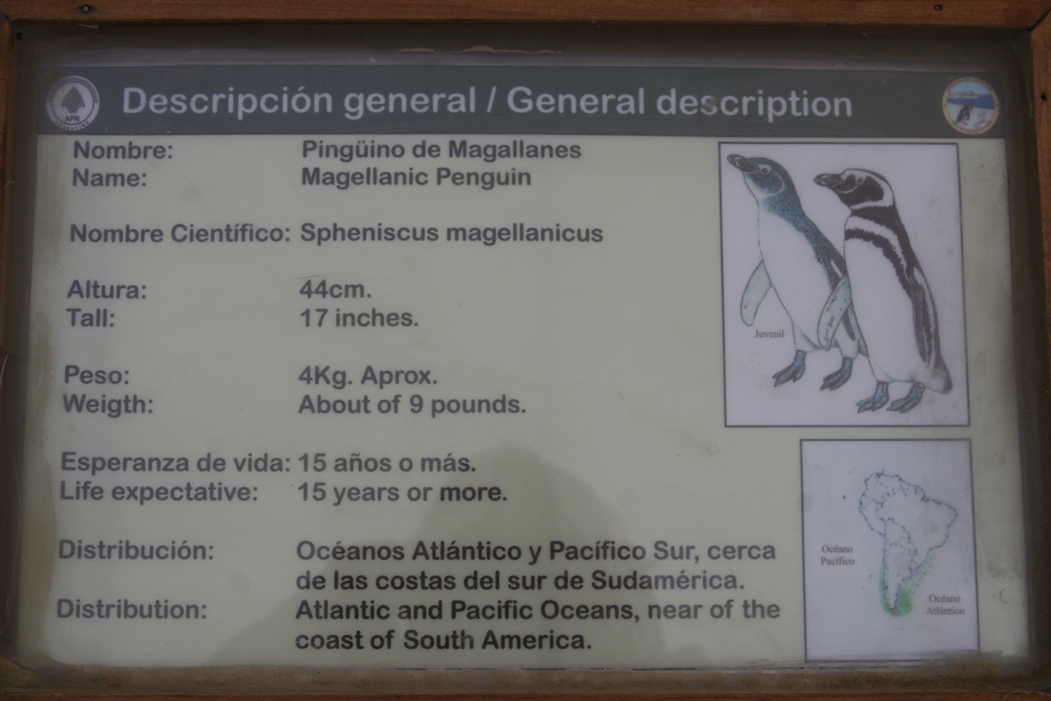
Magellanic penguins are a little different than the ones we saw in Antarctica.
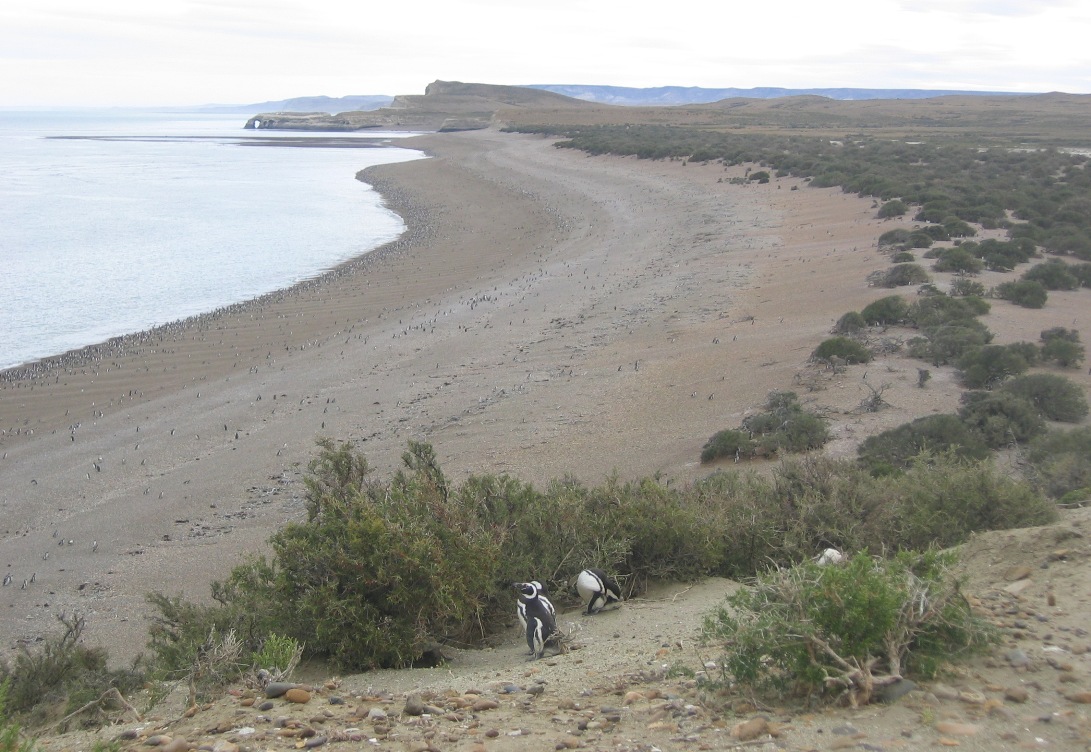
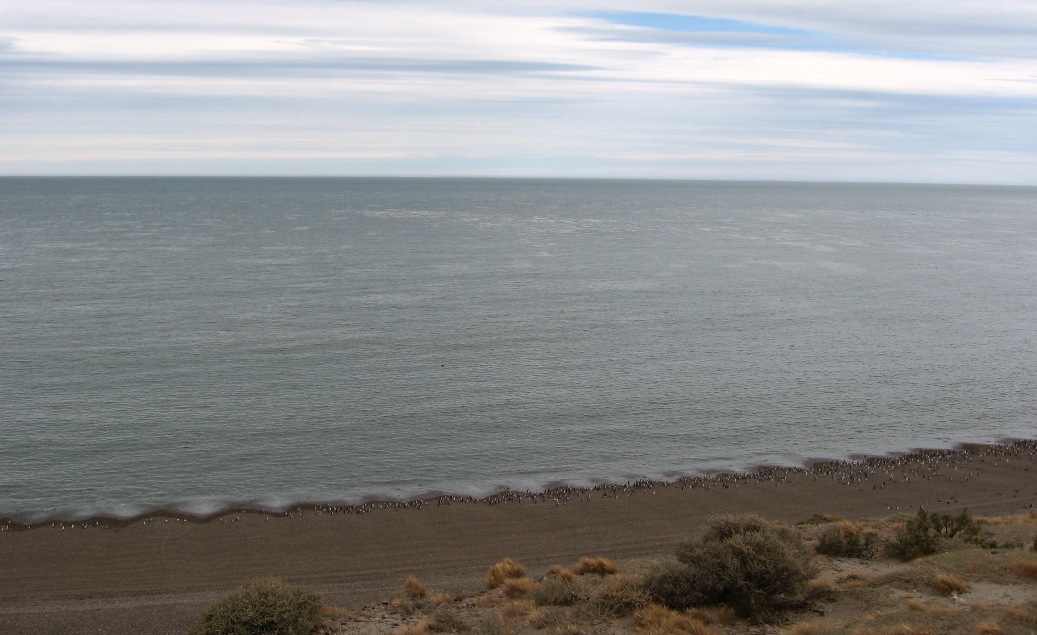
For starters, they live and breed in a much warmer environment.
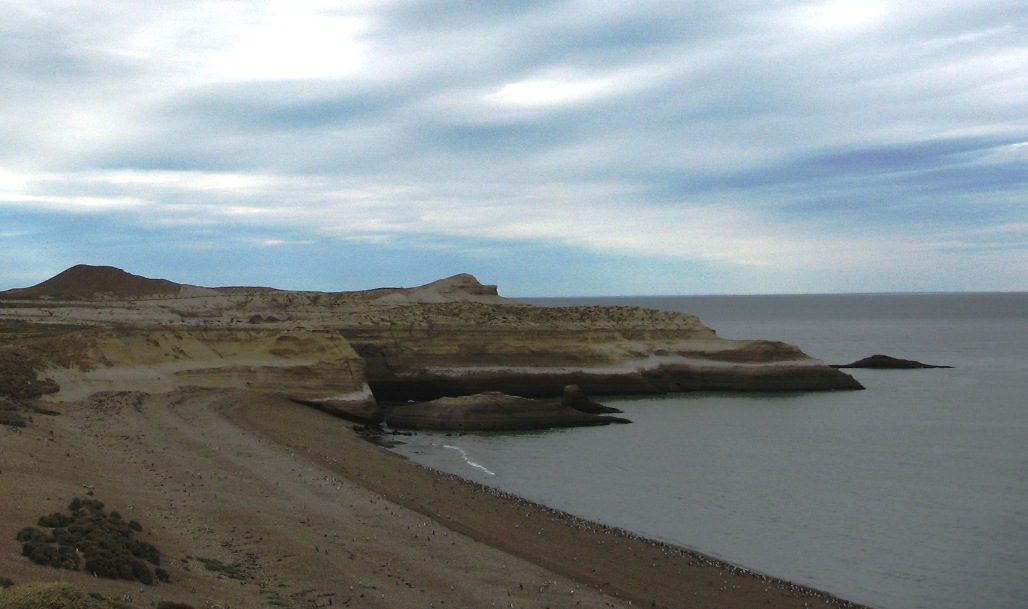
This point, just to the south of the penguin beach, has a resemblance to the giant sphinx statue in Egypt. I think this is the reason this place has was given the name "Monte León."
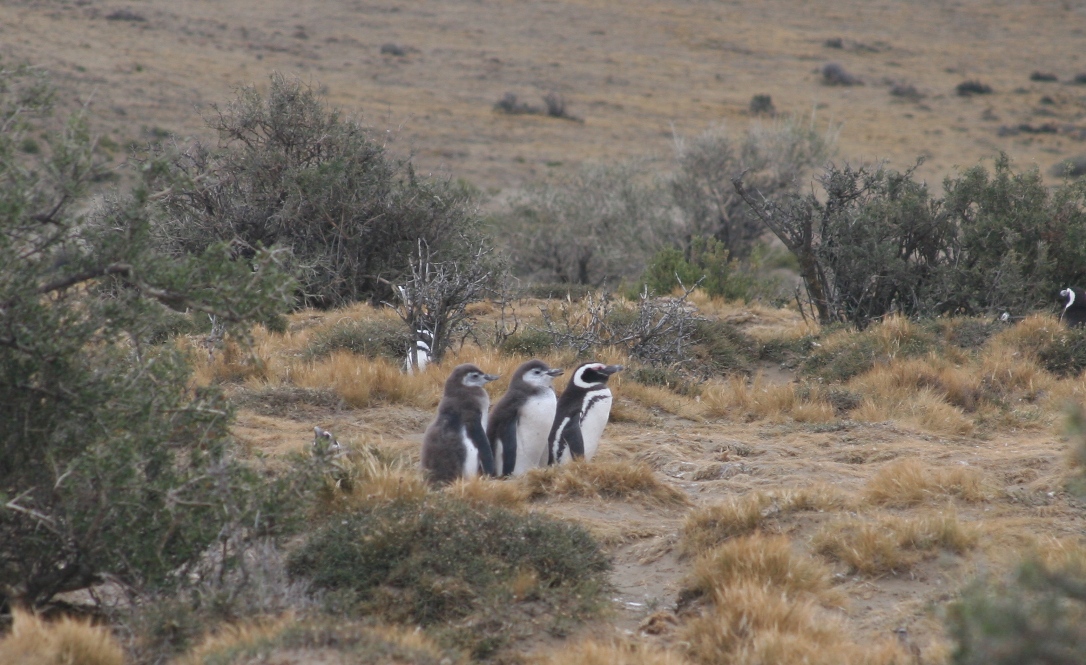
Penguin nests in the dusty dirt? We weren't expecting to see that! They must be uncomfortable on a hot summer day in mid-January.
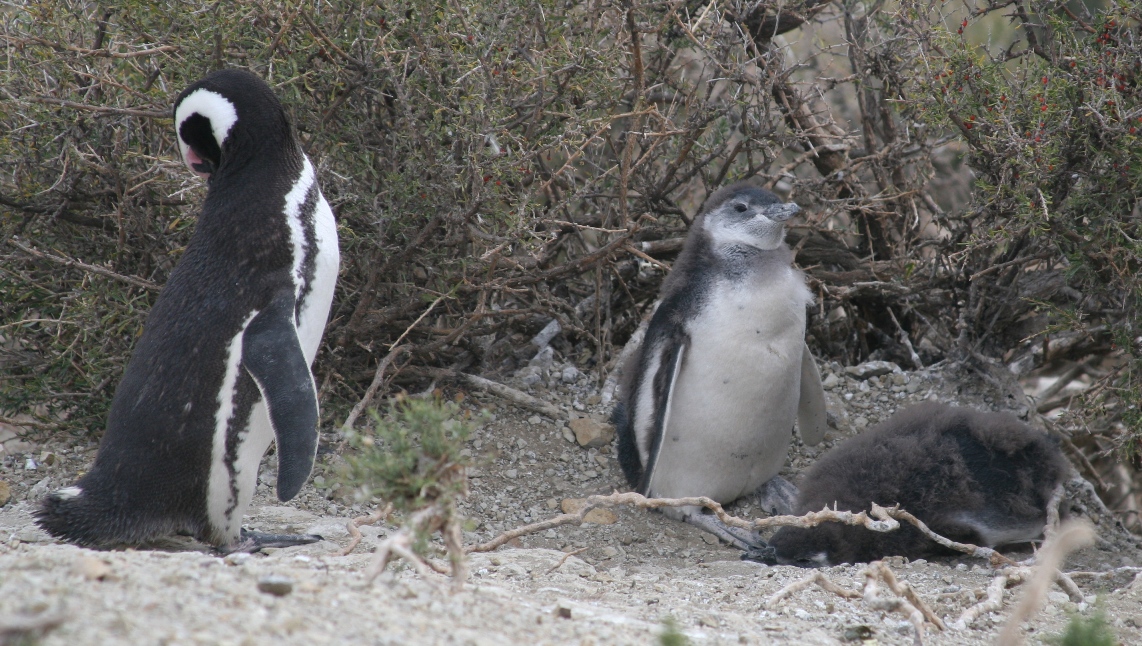
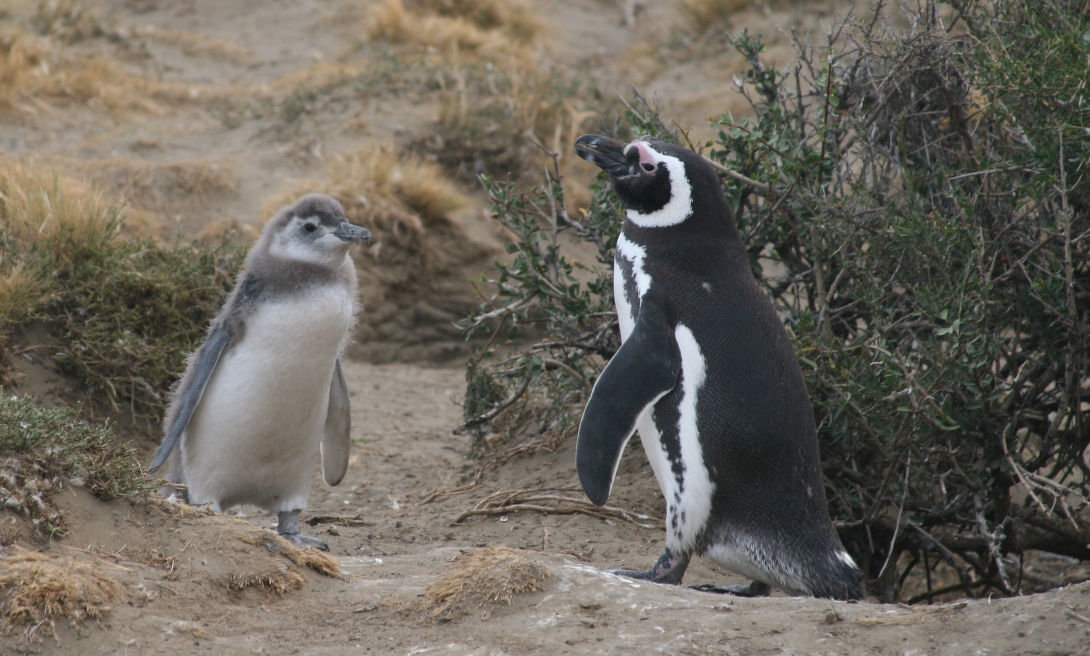
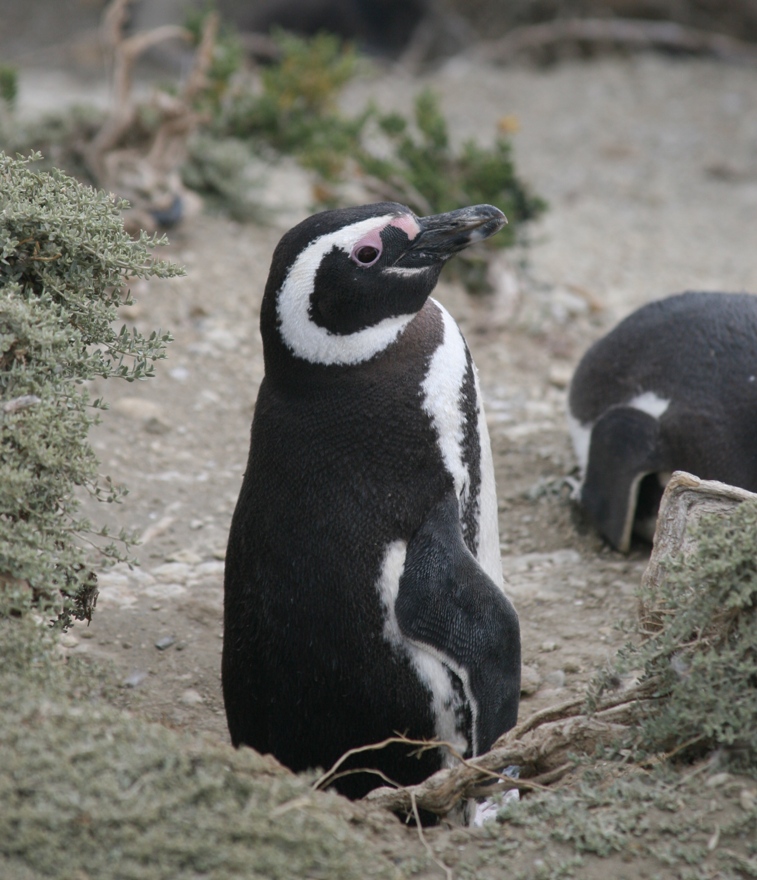
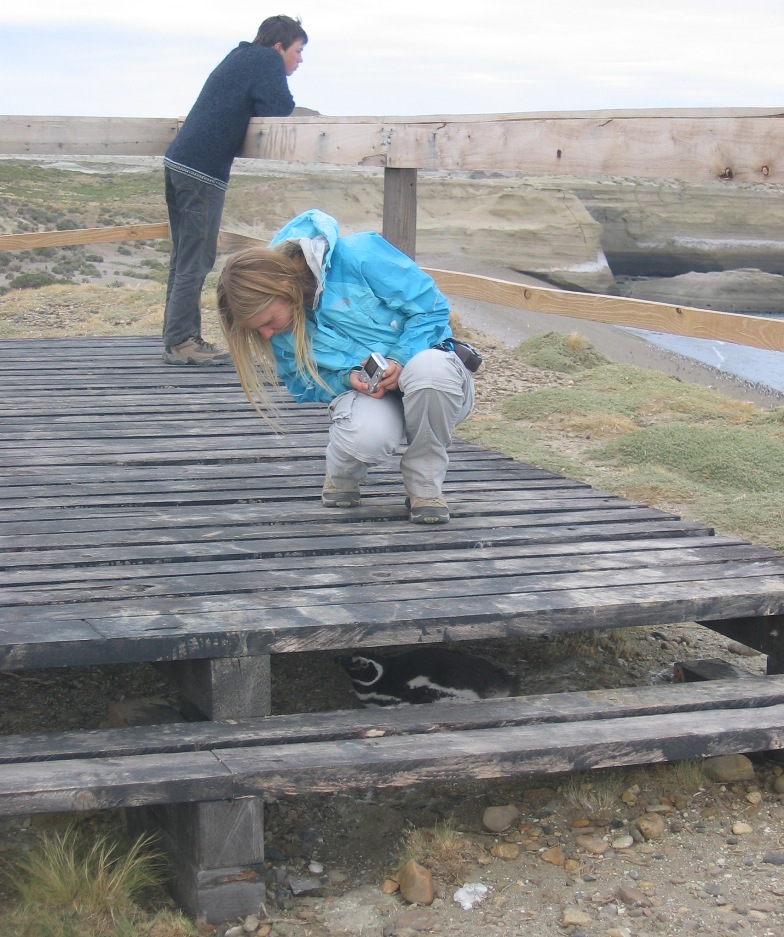
Due to a warmer climate, these penguins can and do start breeding a little sooner than those who breed in Antarctica. So now in early February, the chicks are almost as big as the adults, and loosing their baby-down. In a few weeks, they'll all leave the beach, adults and newborns both, and all swim out into the open sea to live and eat until next spring. Tom wanted to know where they "sleep or rest" during the other 8 months of the year. I'm not sure that anyone knows that information for certain.
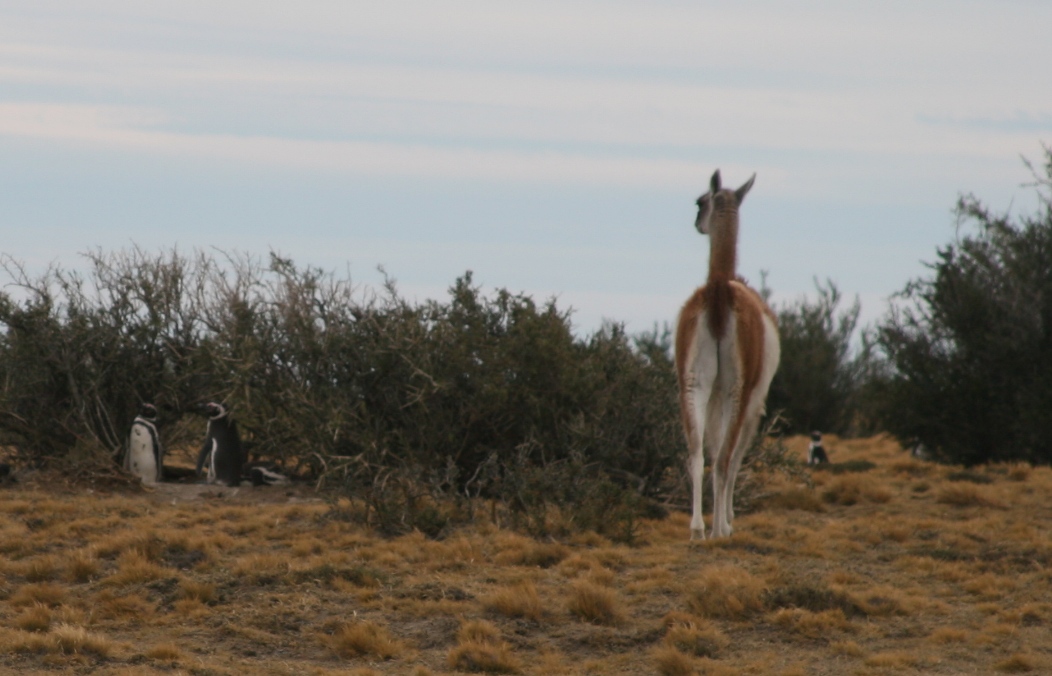
Penguins and guanaco sharing the same habitat.
Having the entire old house to ourselves, the kids spread out in the sitting room and did schoolwork all of Wednesday morning. There was a stiff, cold wind coming from the southeast (Antarctica, according to Sylvia), and we were hoping it would die down somewhat so we could go back to visit the beach in a different part of the park without being blown around so much. But if anything, the wind only got stronger and colder as the day wore on. We still went out anyway, having nothing else to do except that mundane school stuff. We drove as we had the afternoon before, only continuing north on past the penguin colony to see the sea lions, cormorants, and whatever else we might come across.
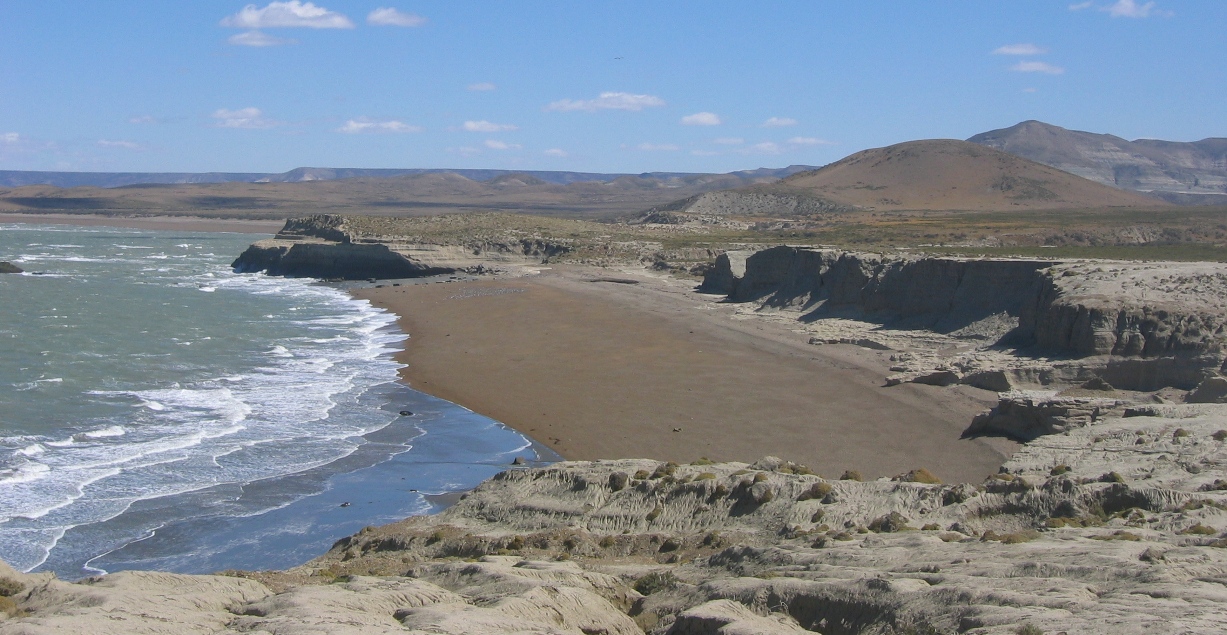
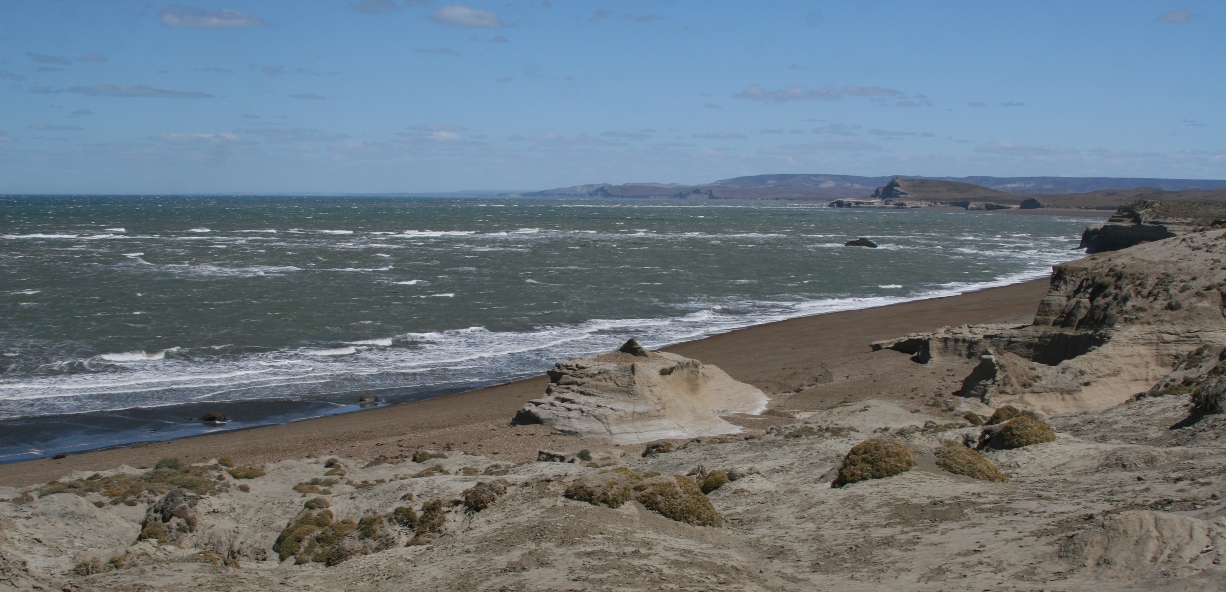
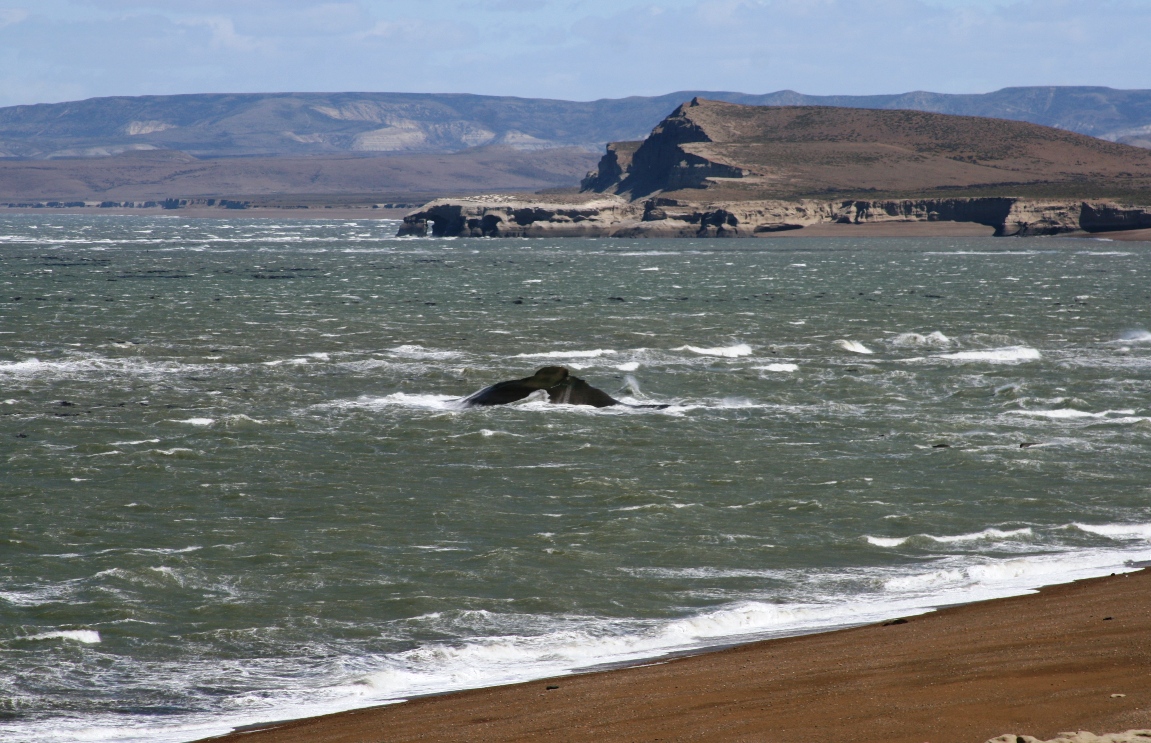
A very blustery day, indeed - looking down at the beach just to the north of the penguin beach.
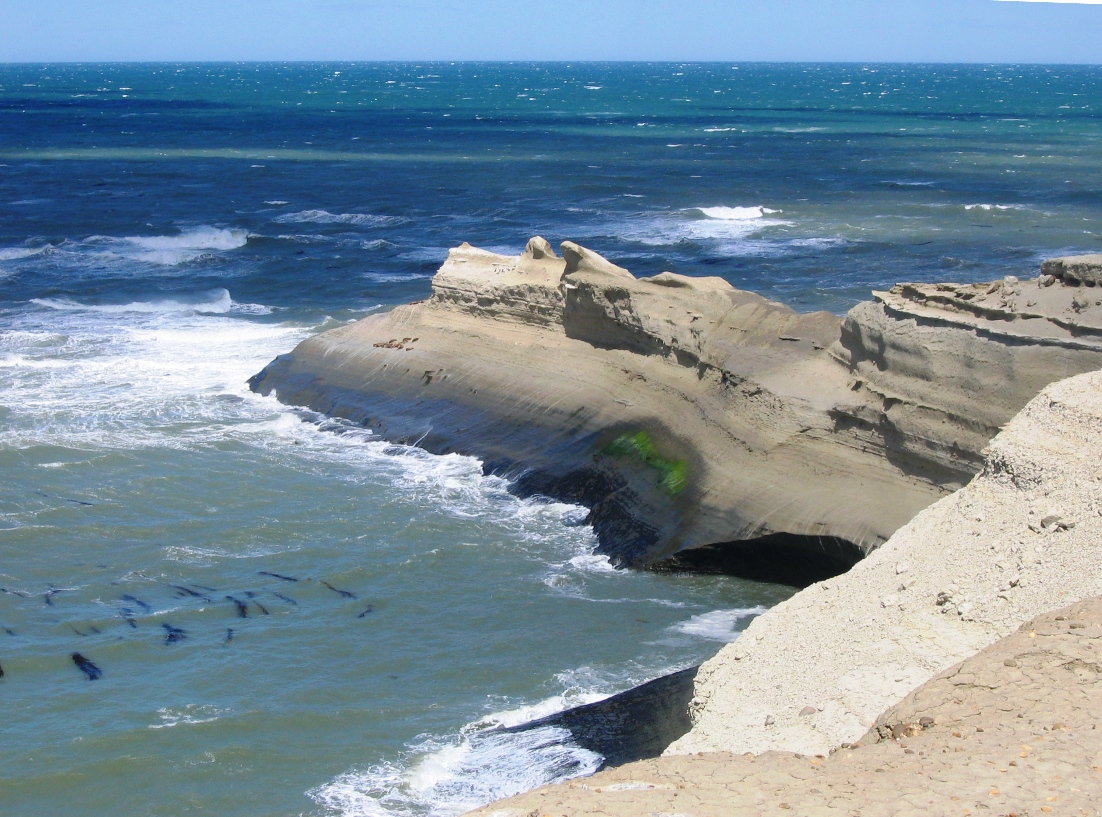
The sea lions had finished breeding a month or so ago, and only a few remained on the steep slope of their springtime hang-out. The black lines in the water are ribbons of kelp, ripped from the seabed and lined up by the surf.
At one time, people gathered guano from the cormorant nesting site, an island (former peninsula) just a short distance further north of the point Monte León and the sea lions.
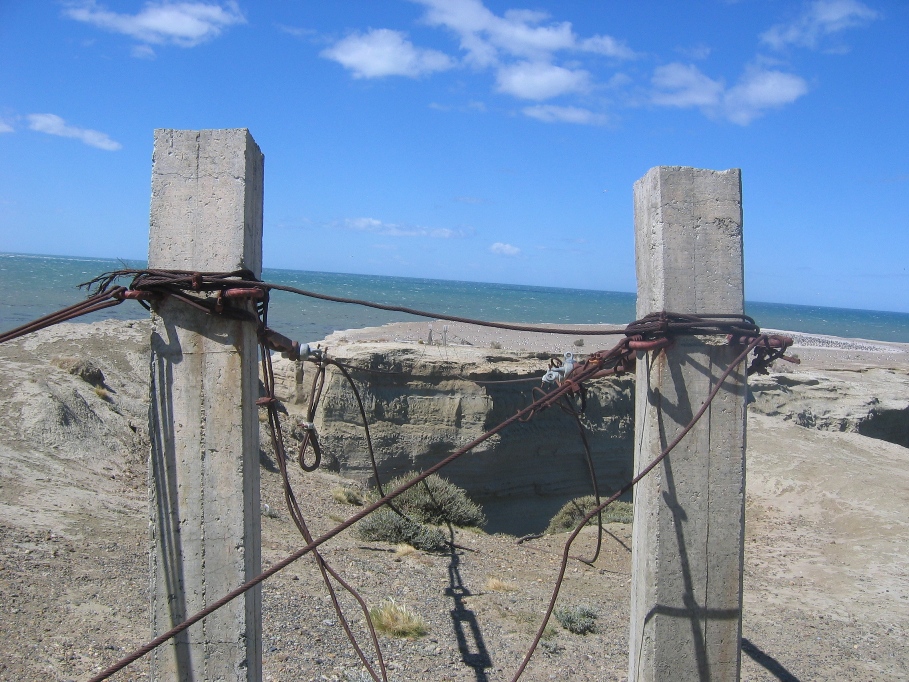
Steel cables and these posts are all that remains of a bridge formerly used by the guano harvesters. The bird population dropped significantly as a result of the human disturbance, although since the park was formed and the bridge was removed, the number of birds nesting on this island has begun to increase.
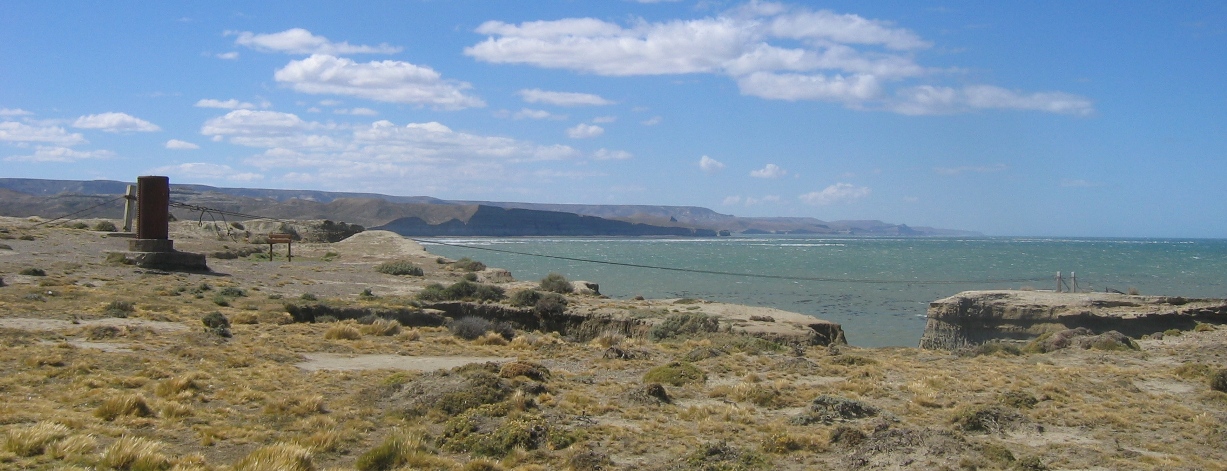
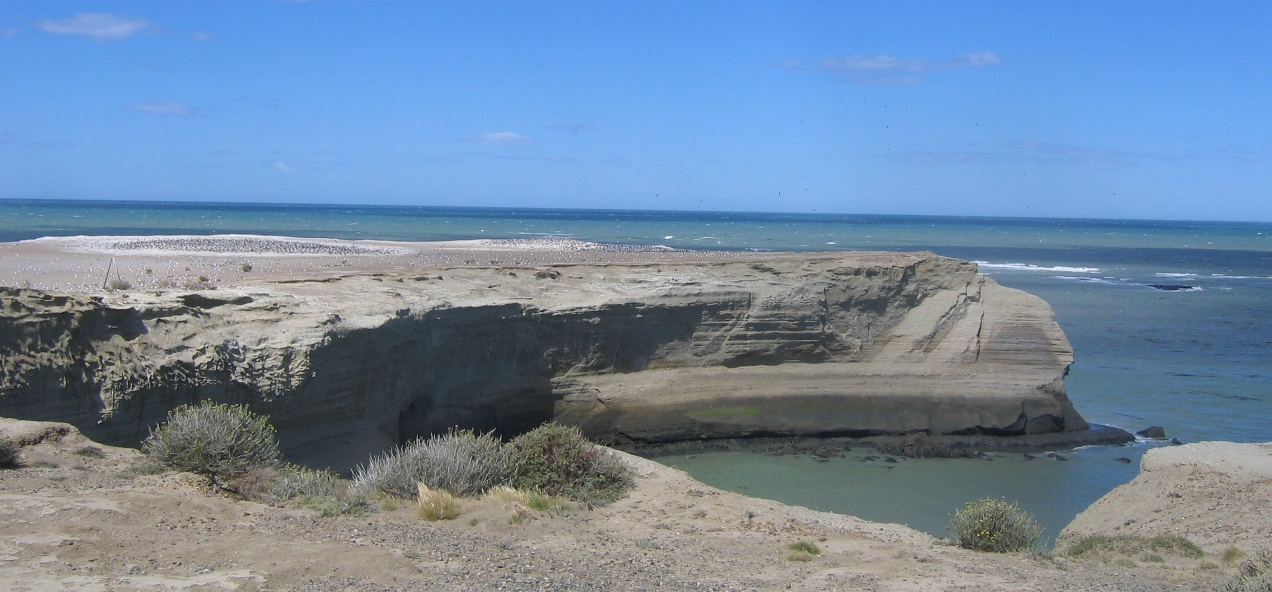
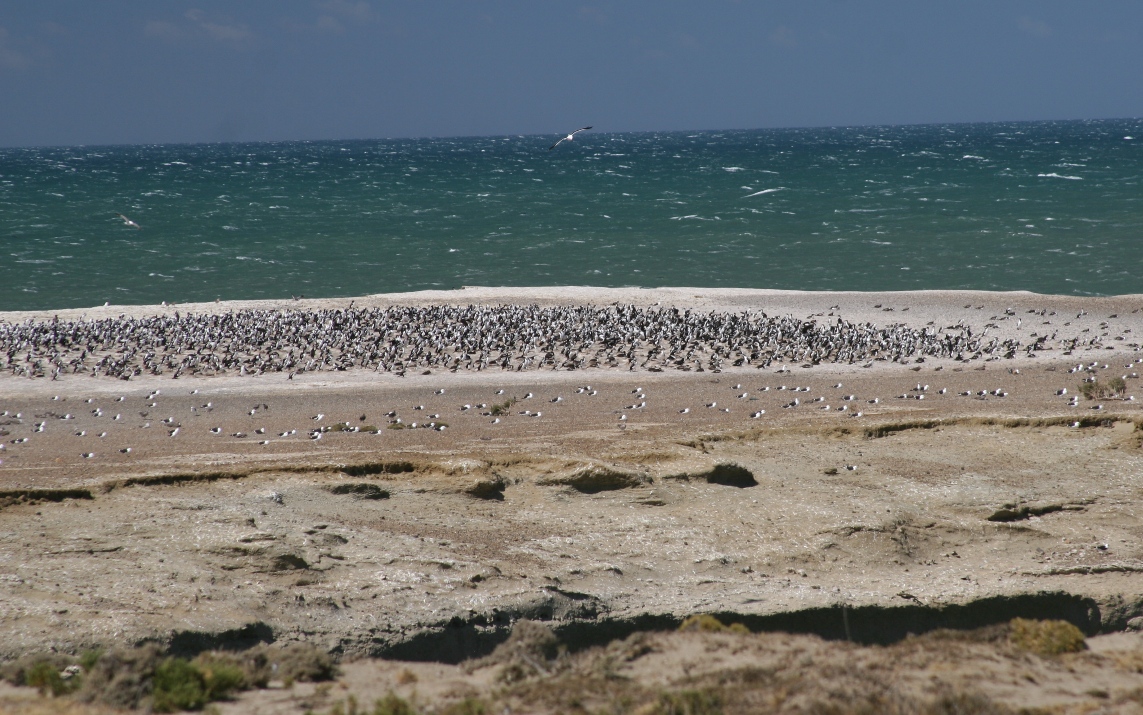
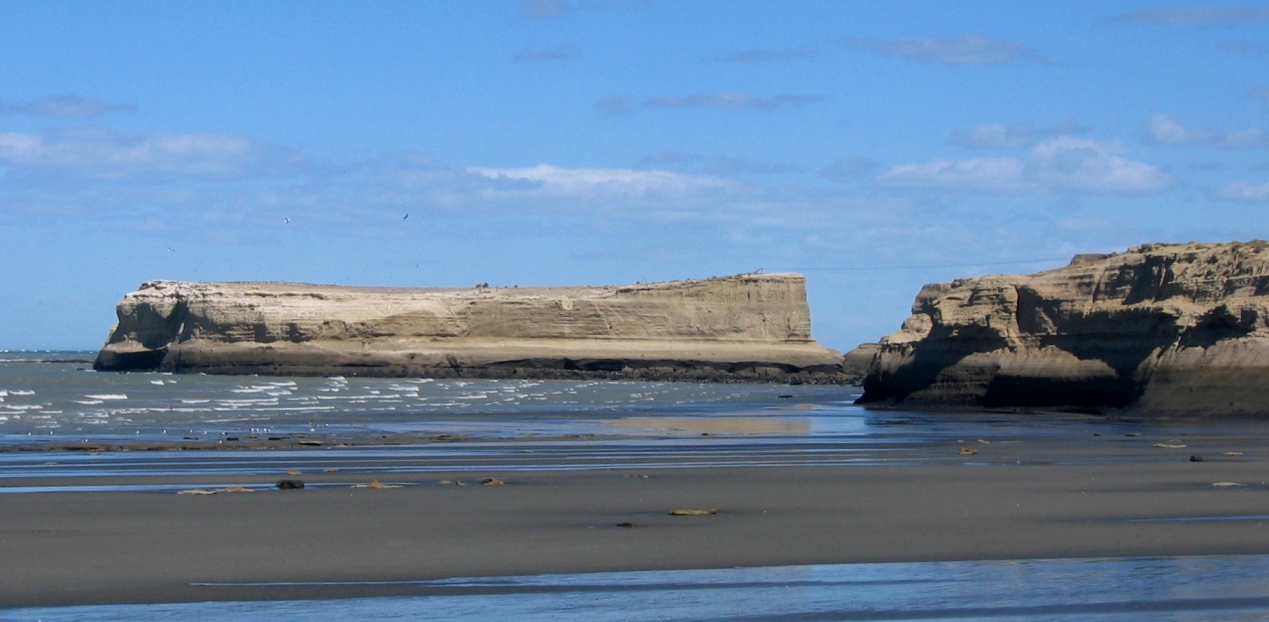
Then just a few yards further north, we found a campground (to camp it is advisable that you have a camper or titanium tent in order to survive the wind) where we could park and then follow a trail leading down to the beach. The park rangers had warned us yesterday to be very careful of the tides. It is possible to walk for miles up along the beach, and then find yourself trapped between the cliffs and the encroaching surf with not enough time to walk back to the only escape route.
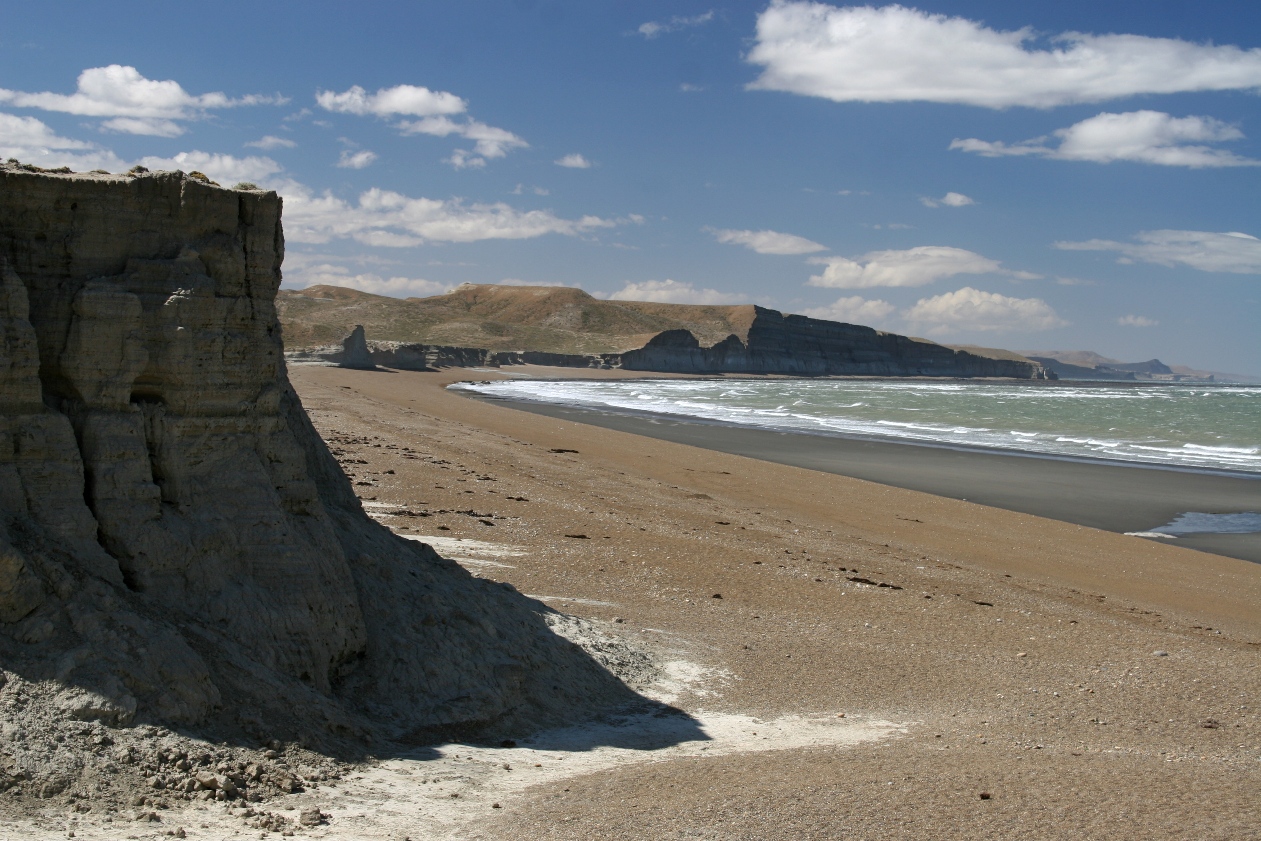
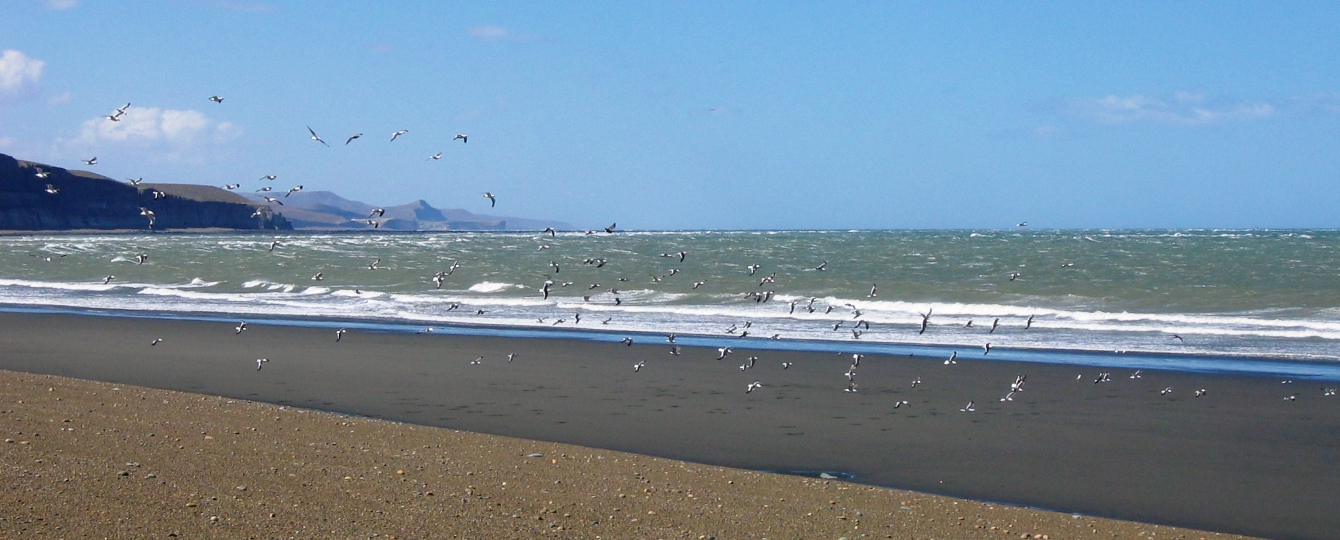
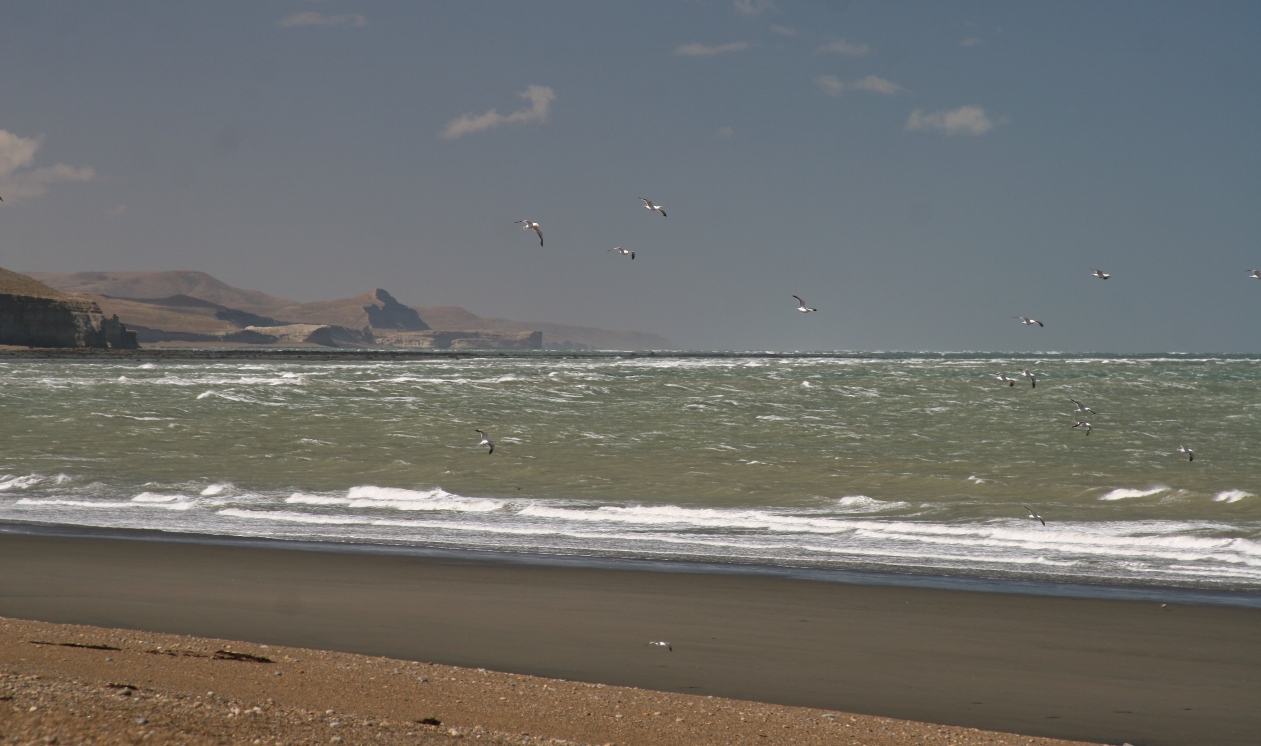
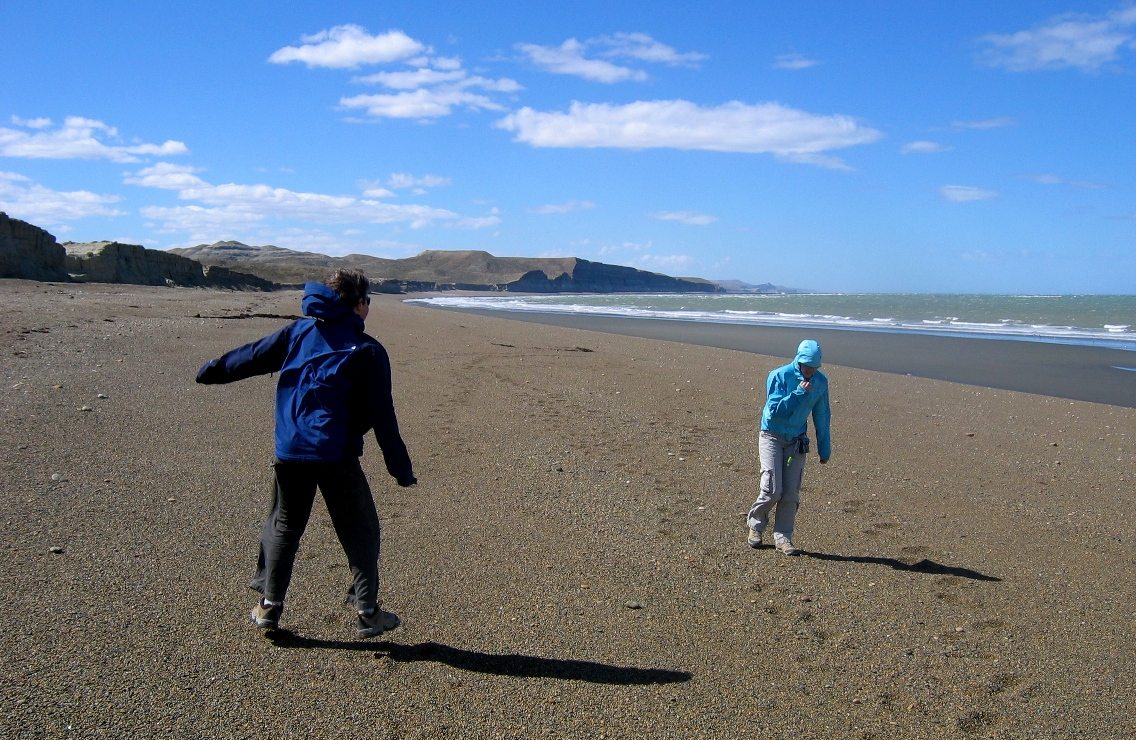
The wind threatened to blow us away.
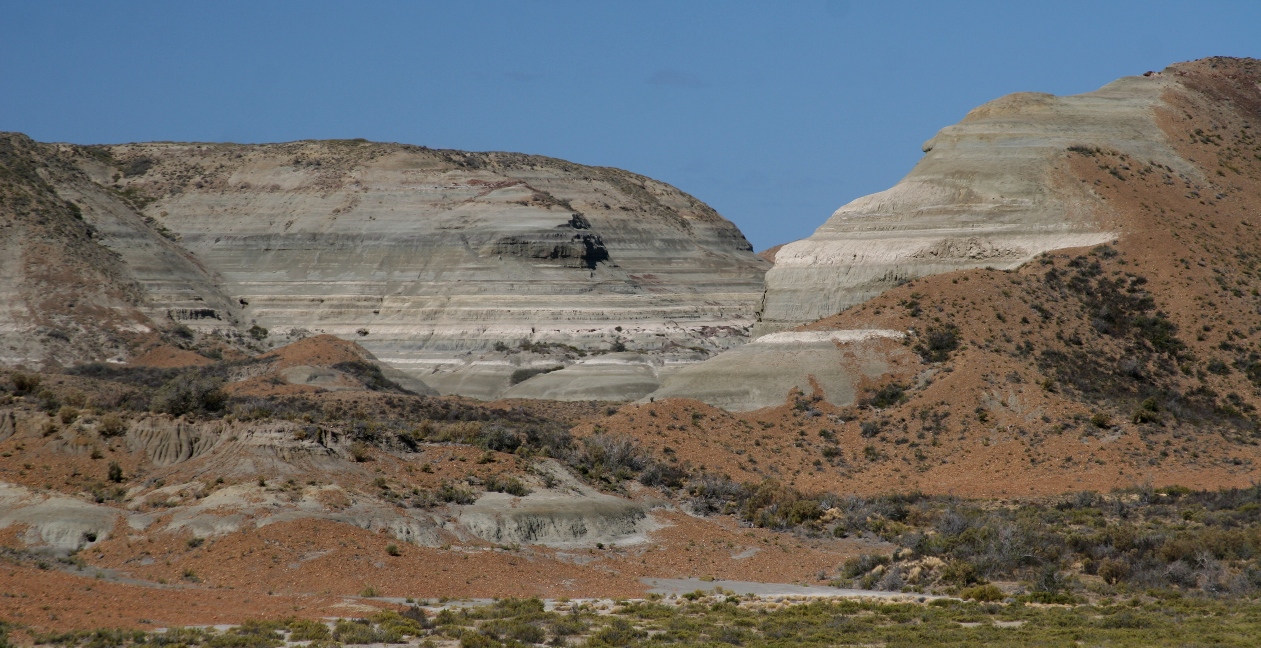
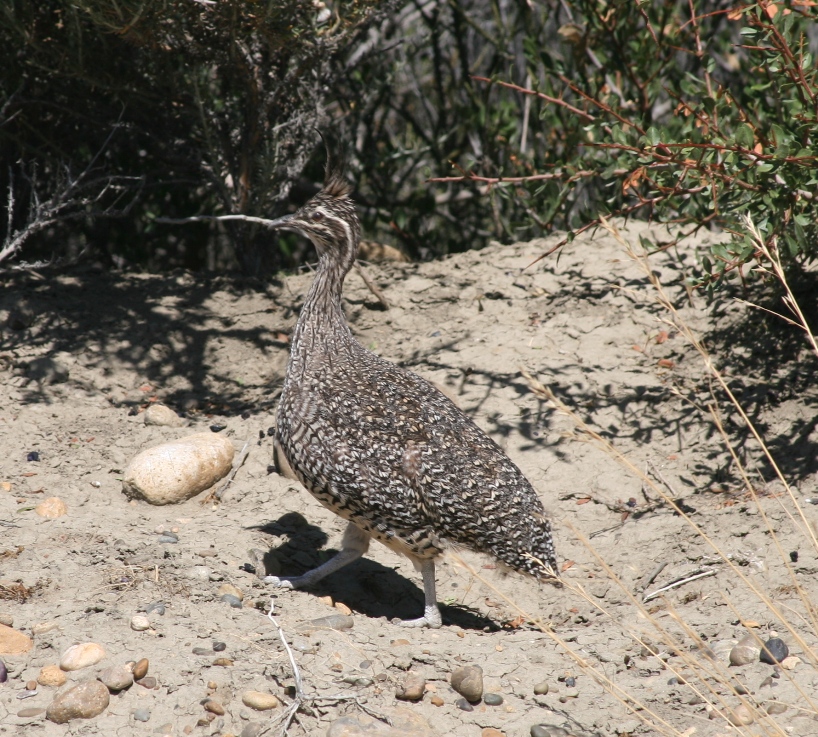
Driving back towards the main highway, we still had some interesting scenery and animals to look at, like these sandstone bluffs, and the timaru mother with some chicks ("timaru" is a sort of South American prairie chicken)
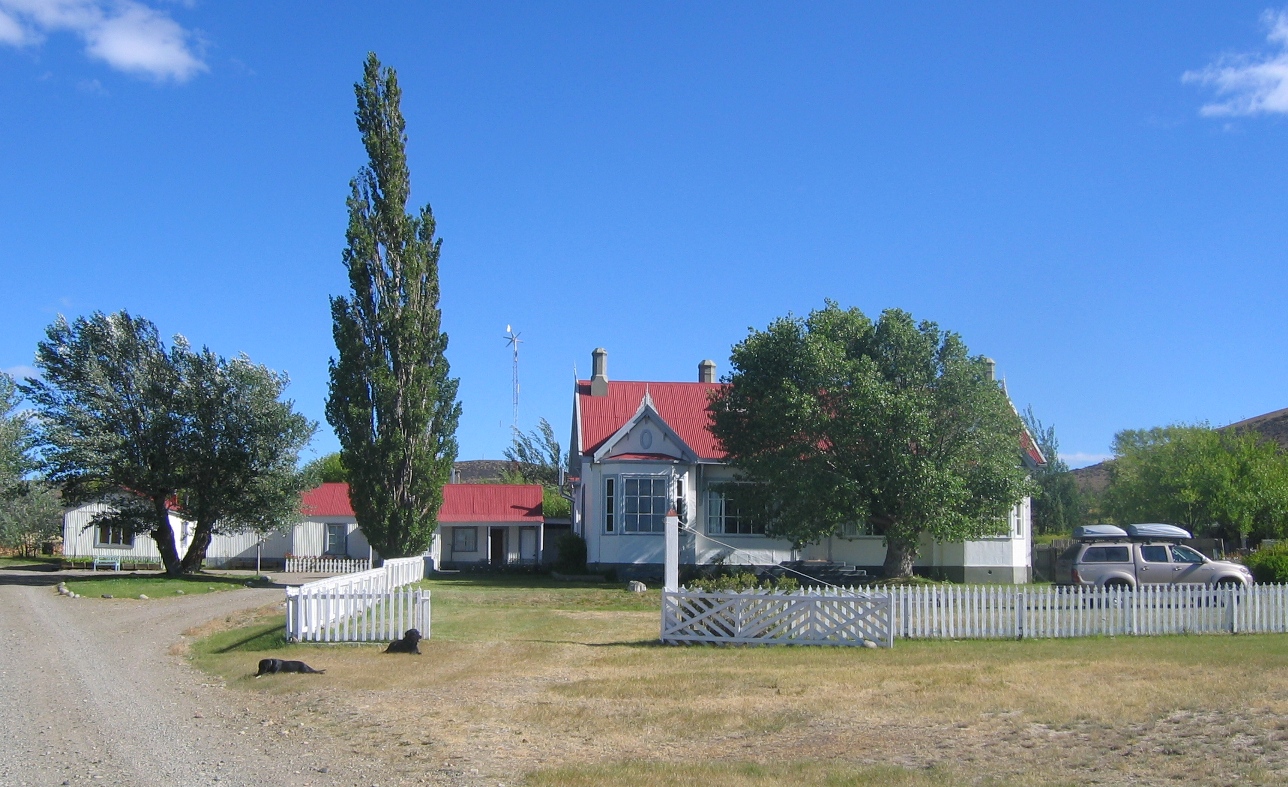

The old house of Hosteria Monte León,
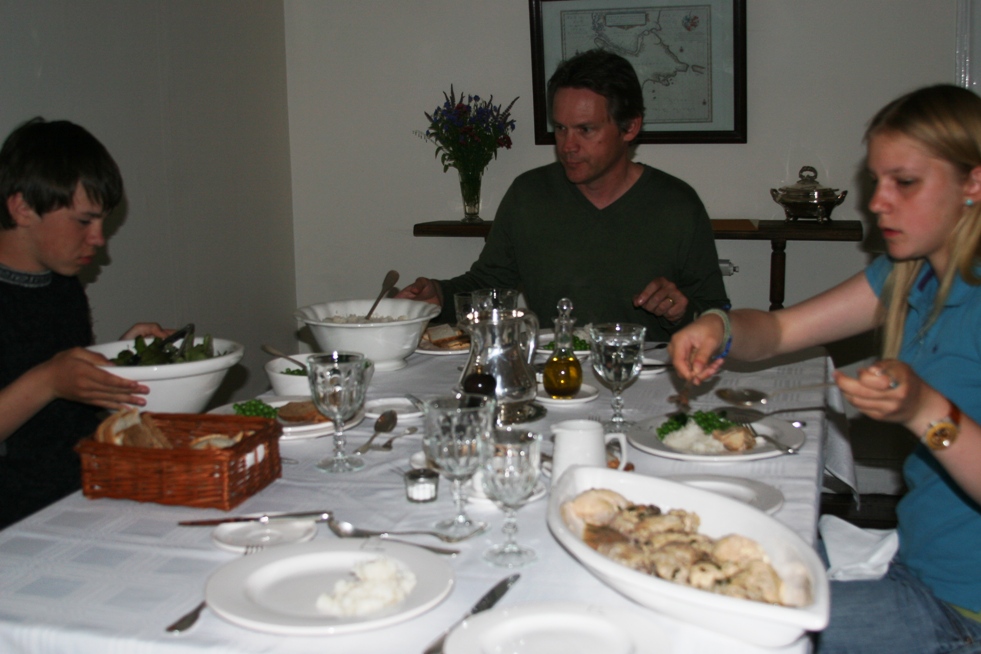
where we ate and slept for two days.
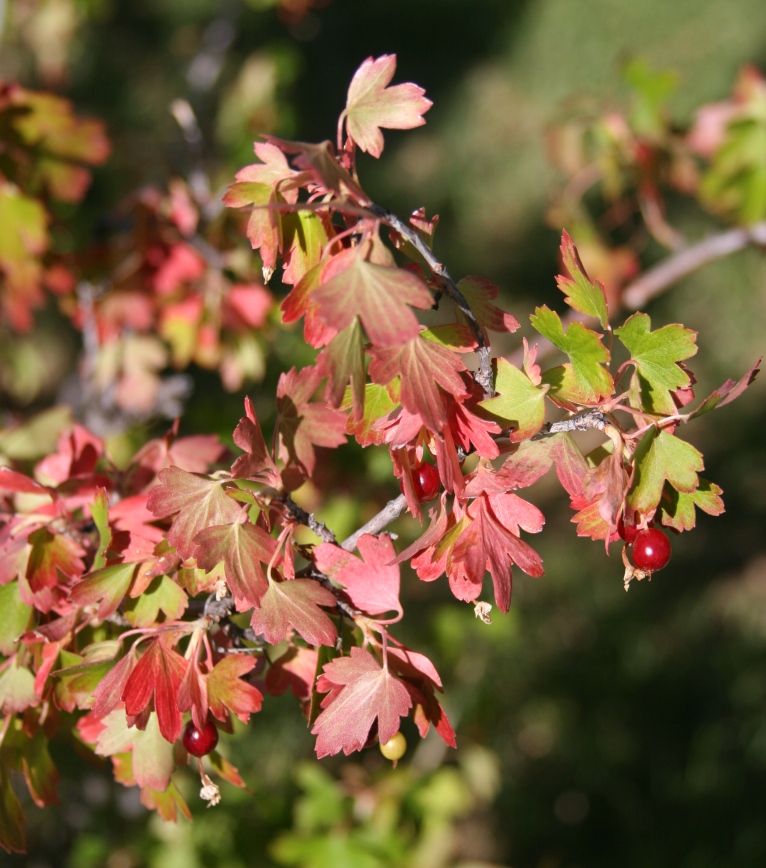

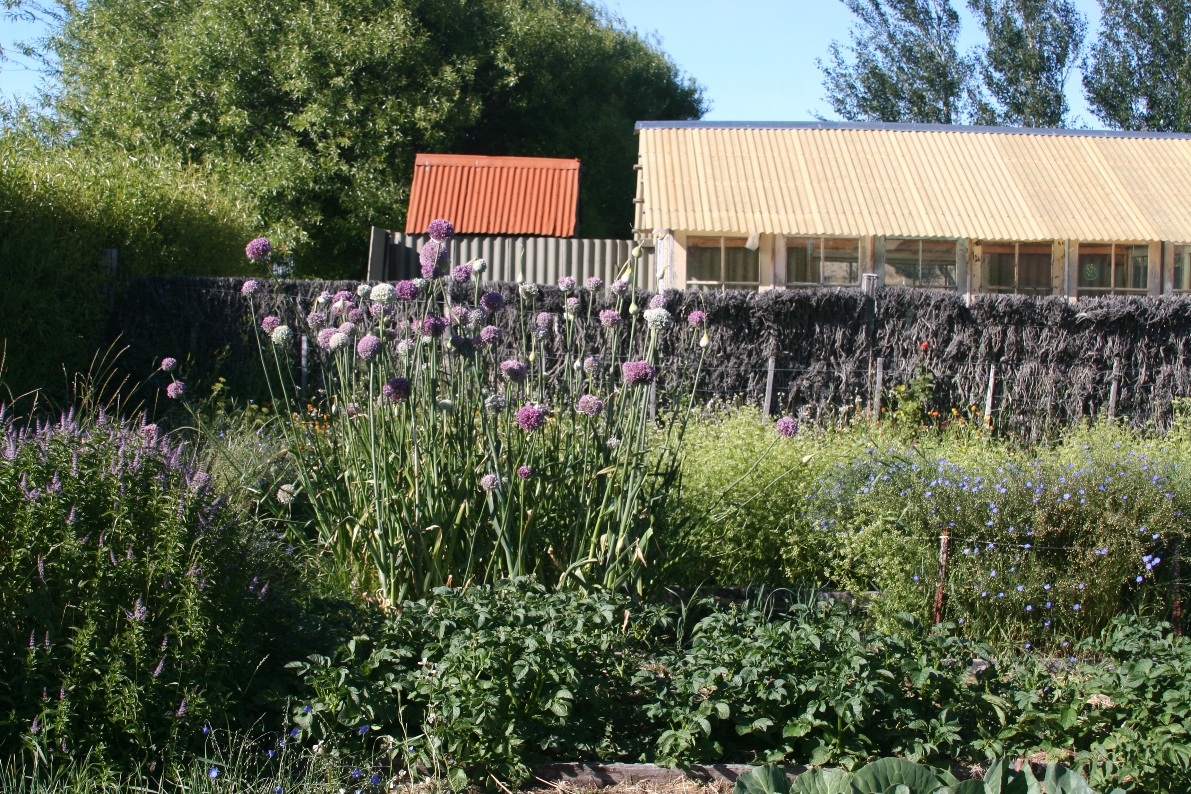
And a few more pictures that Lynn took around the house.
Wednesday before dinner, we discussed our future plans with Sylvia, trying to decide where to go next. We had never succeeded in making direct contact with the proprietors of Estancia La Maria (the place that houses the archeology researchers), and had only been able to make a "reservation" of sorts sending emails through one of the scientist members of the research team. Then we heard some stories about the owner dying and his chain-smoking daughters taking over and no-one liking the "new management" very well. This didn't sound like the kind of place we wanted to spend 5 days at, and Sylvia confirmed she was pretty sure that the previous owner had passed away during the last winter. This made our decision to go back to El Calafate pretty easy to arrive at. I had been thinking more and more about going home for my old boss's memorial service, and traveling in and out of El Calafate while the family stayed put seemed like the only way that might be possible.
So we re-traced our drive on Ruta 9 back west to El Calafate. The people of the region say (or tell the tourists, at least) that "If you eat the berry of the Calafate bush, you are destined to return to El Calafate." Well we all tried them at least once, but I'm not sure if we all ate them three times!
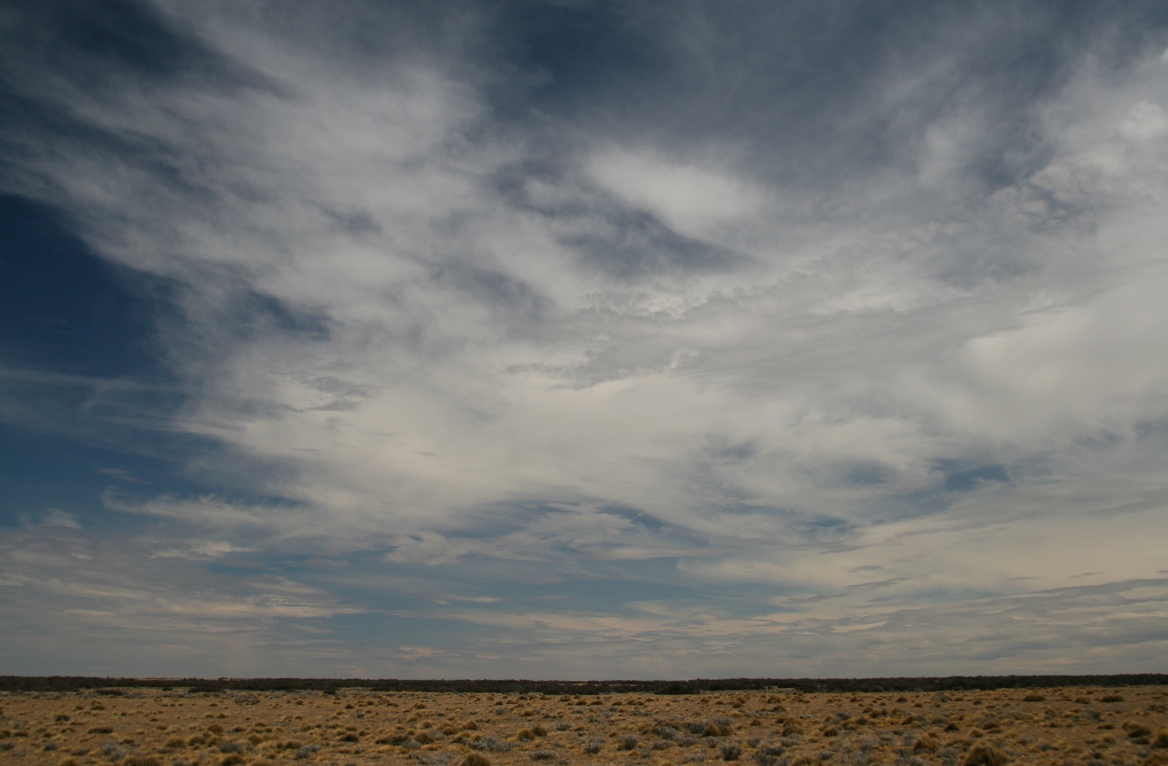
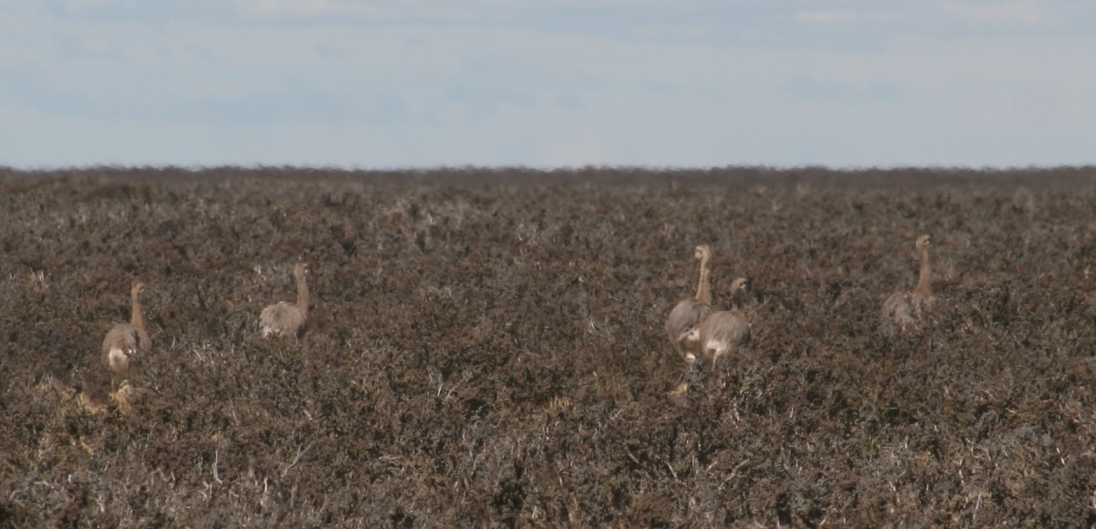
Clouds over the desert - and a flock of rheas running away from the road (and our truck).
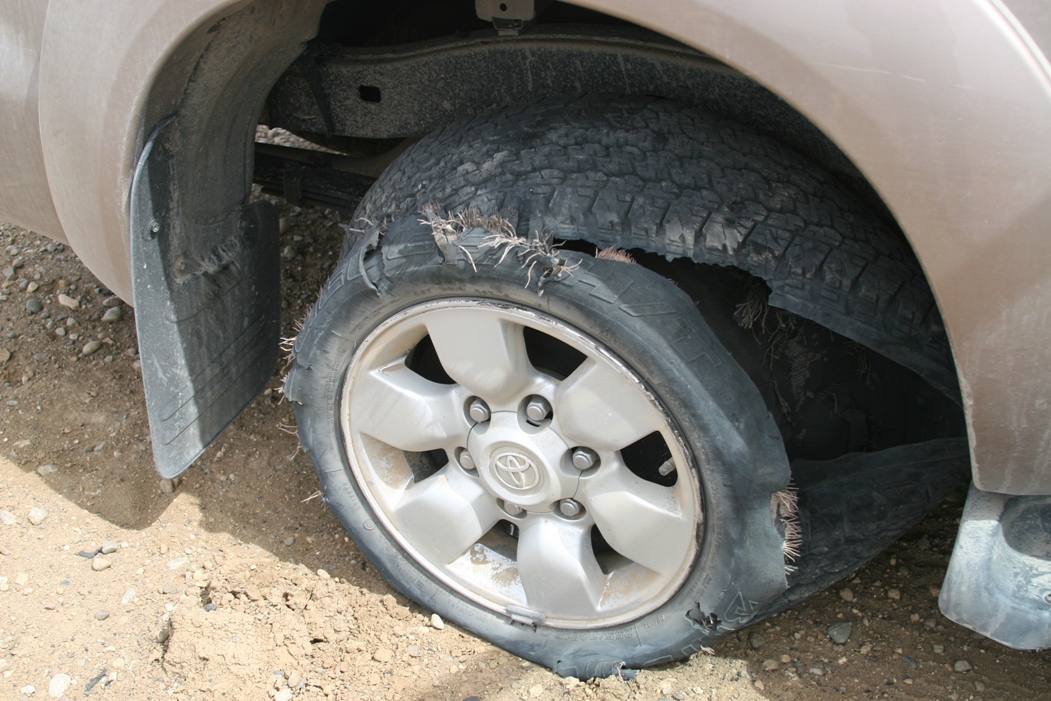
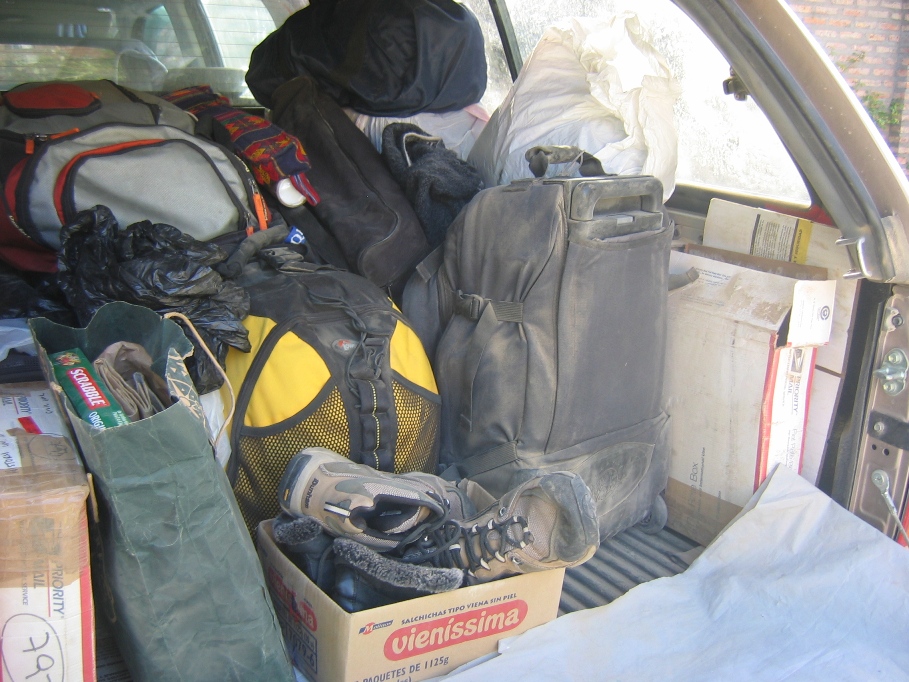
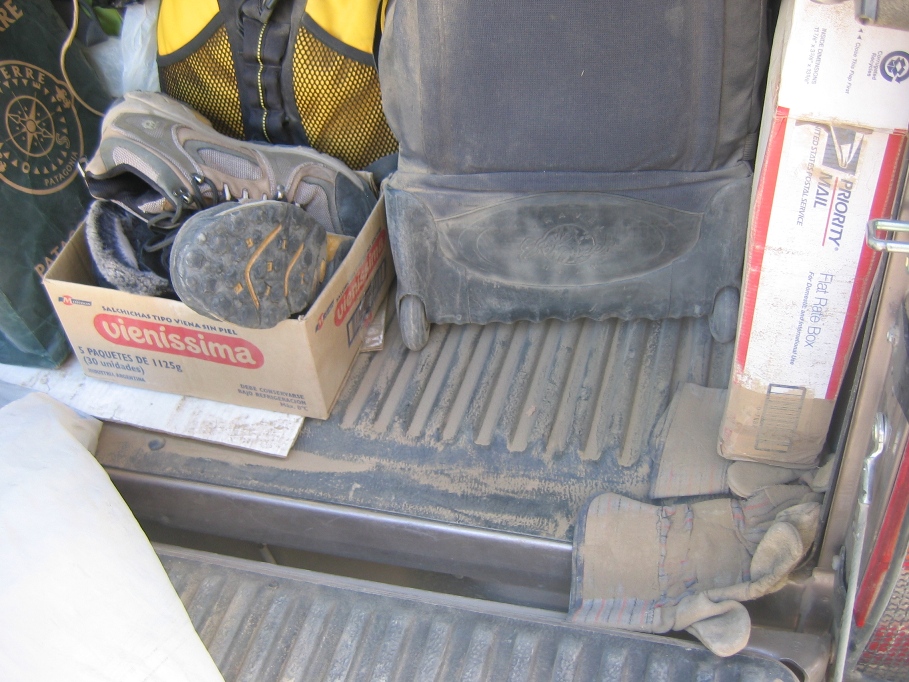
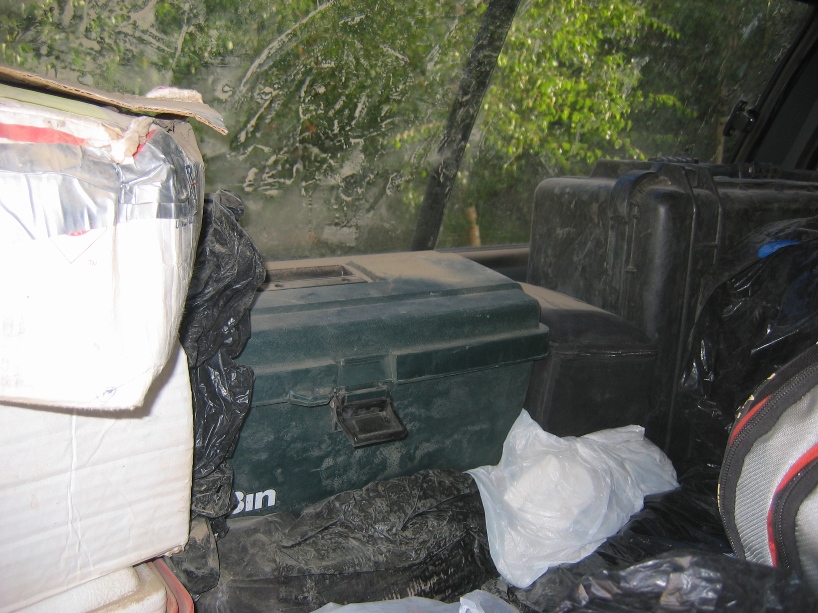
It was a tiring drive - we couldn't dodge the bullet this time and got our first flat of the whole trip. Then upon arrival in El Calafate discovered that a plastic spacer that fits between the side windows of the truck-bed cap had fallen off to allow even more than the usual painful amount of dust to enter and cover all our stuff.
Overall, it was just another day on the road. If it's not one thing, it's another.
-Rolf