Hurtado - Hacienda Los Andes
WietelHuasos (or riding in the saddle of luxury?)
Sunday September 2
A "Huaso" is a Chilean Cowboy. They are very skilled, gallant (unless you live in Peru, in which case they are often regarded as drunken renegades), and proud of their masterful horsemanship. We have enjoyed our last four days here at the Hacienda Los Andes, and have been well cared for by the owners and staff. Manuela and Kati have taken us on two long trail rides high up into the steep hills surrounding the Hurtado valley. Even though during these rides, we covered terrain far more rugged than any of us have ever ridden horseback before, I'm not sure we qualify as full-fledged Huasos yet. For one thing, we don't have the proper uniform - but we'll learn more about that later (I hope) when we have a chance to see Chilean rodeo during the spring and summer.
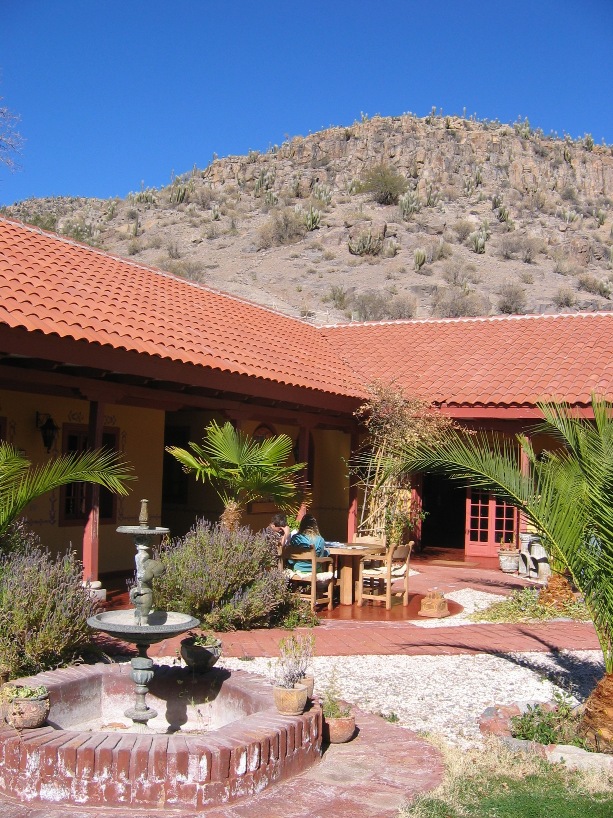
Hacienda Los Andes.
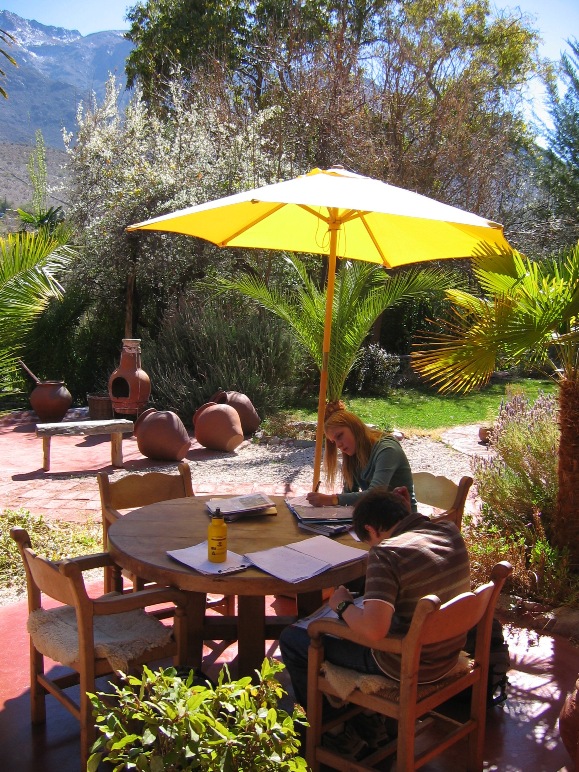
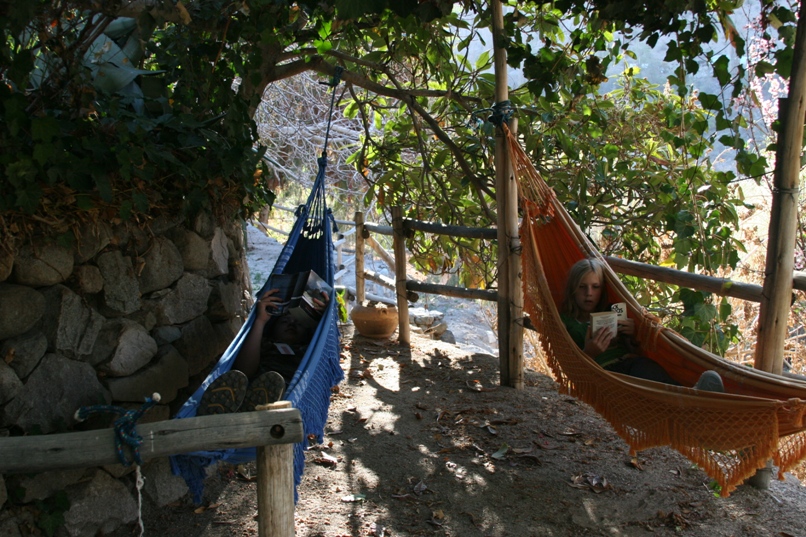
The school classrooms - which do you think the students prefer?
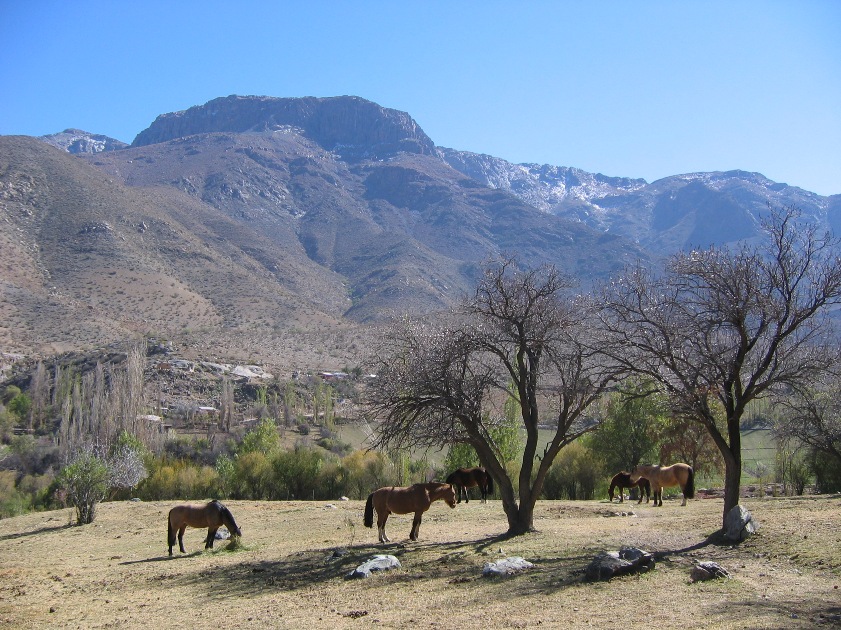
Hacienda Horse Pasture.
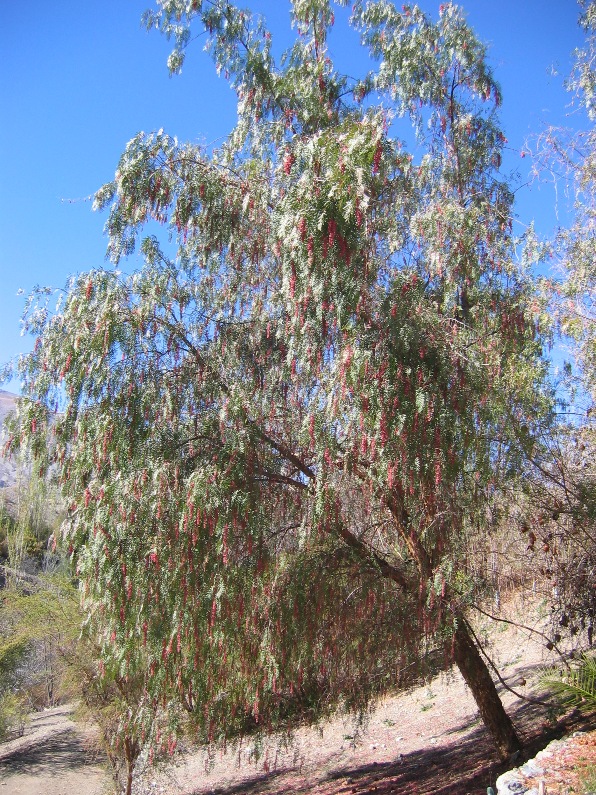
Pink Peppercorn Tree.
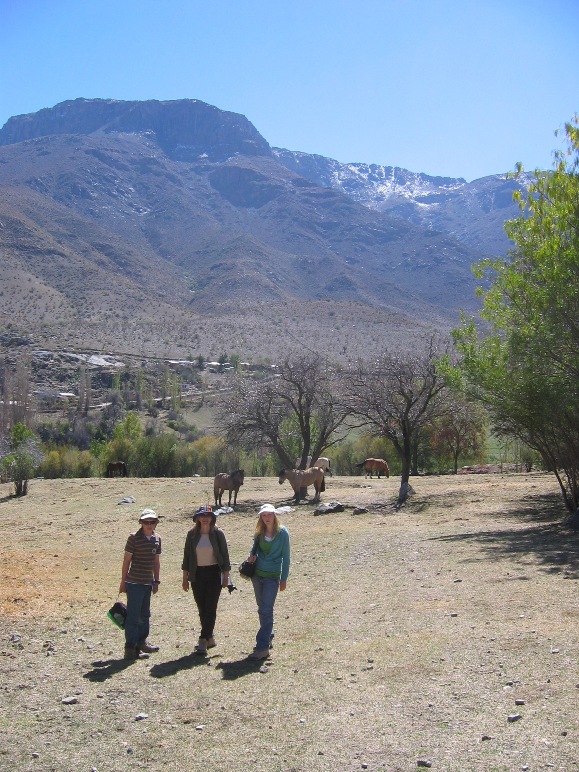
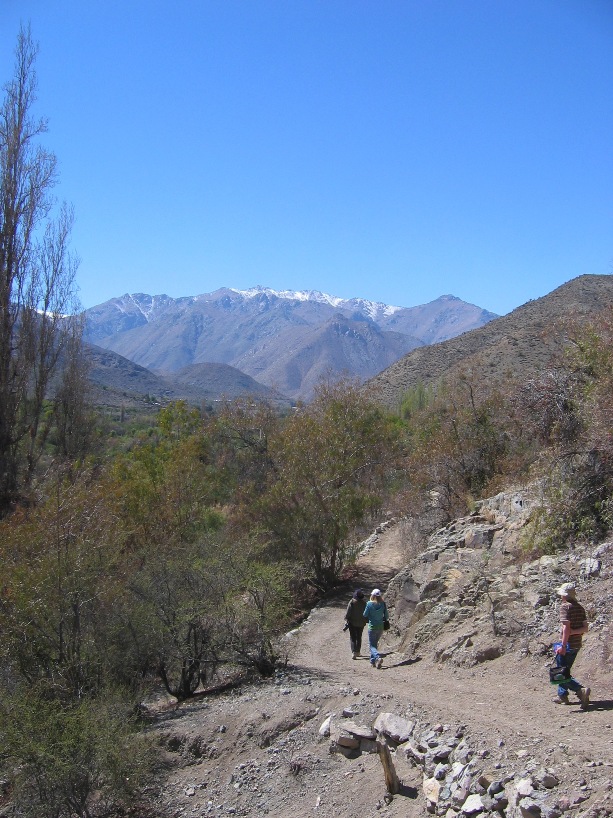
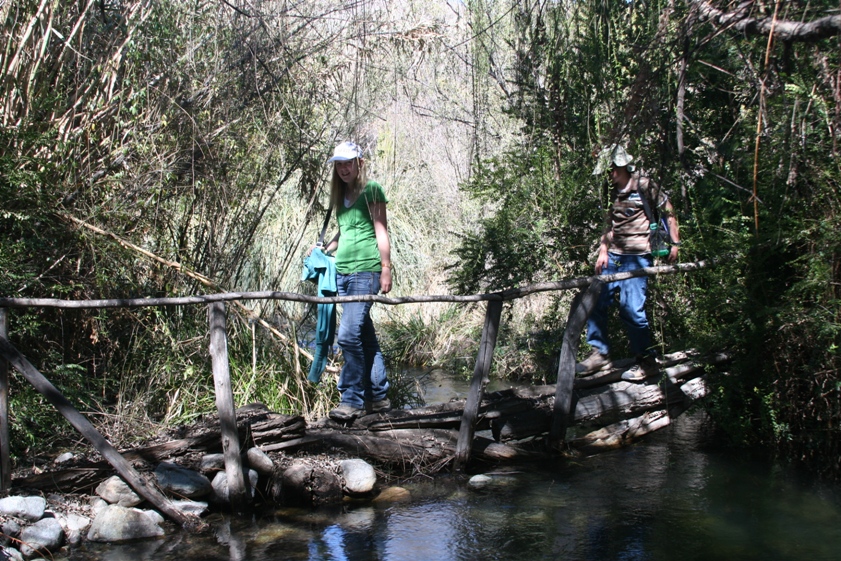
Day 1: No ride, just a walk down to and along the river.
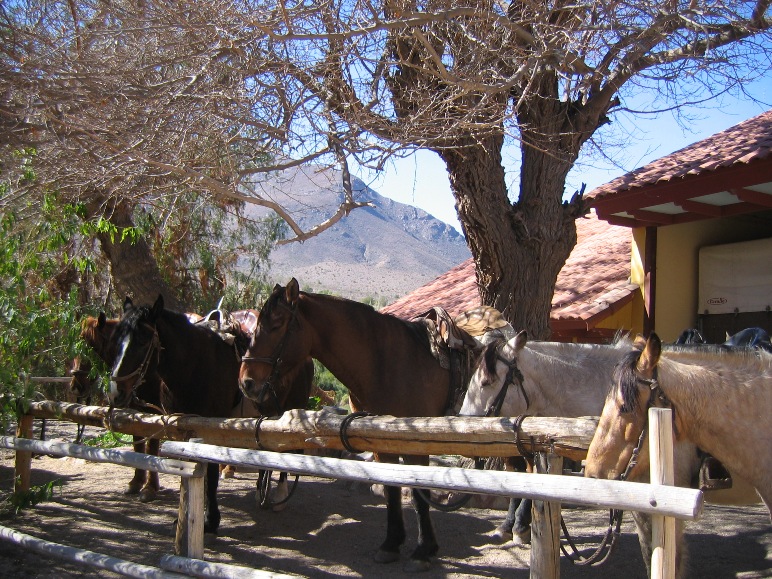
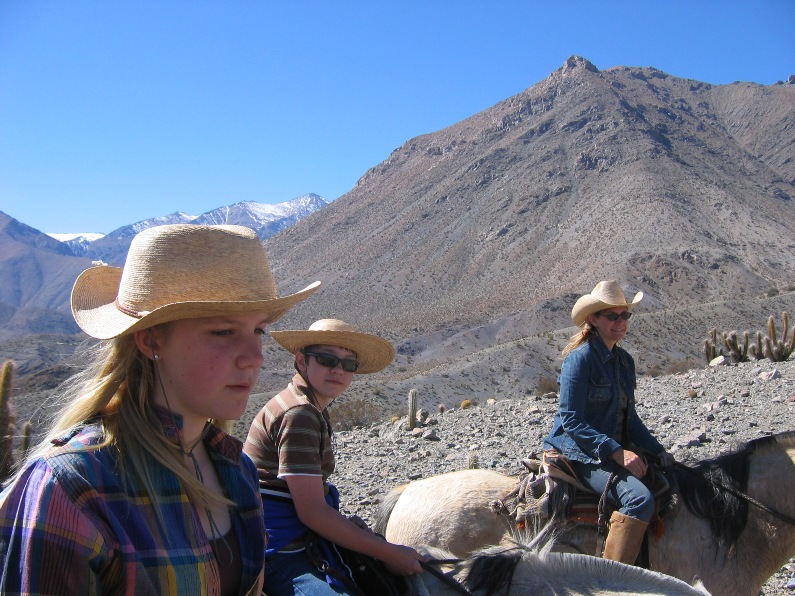
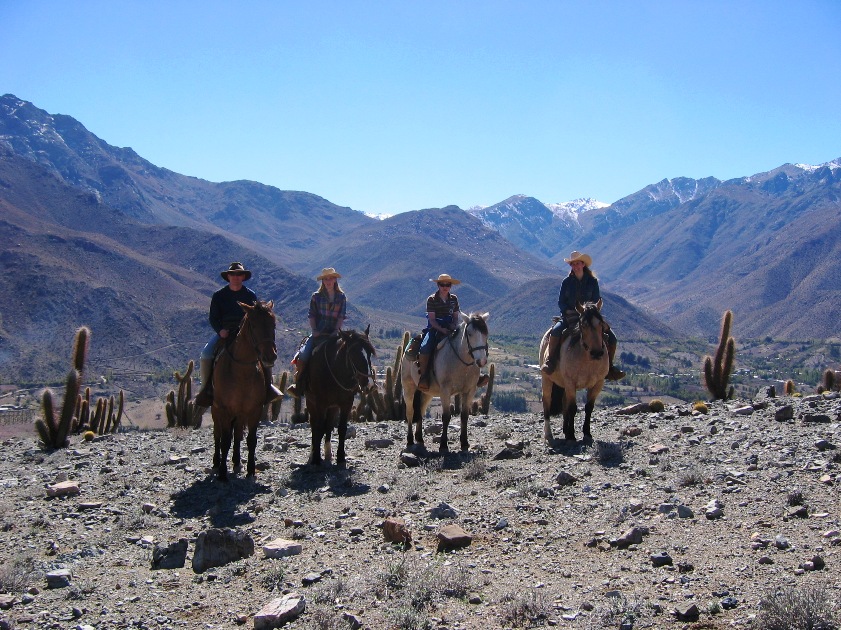
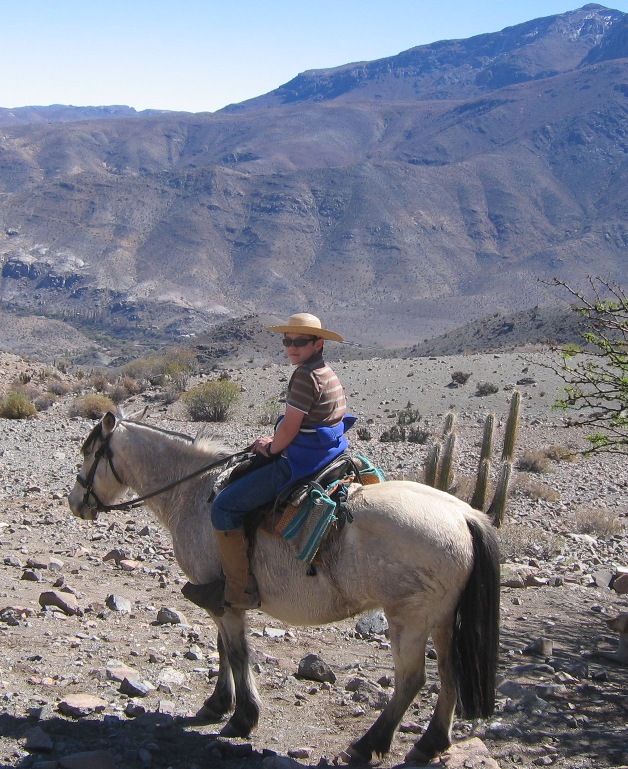
Day 2: Our first trail ride.
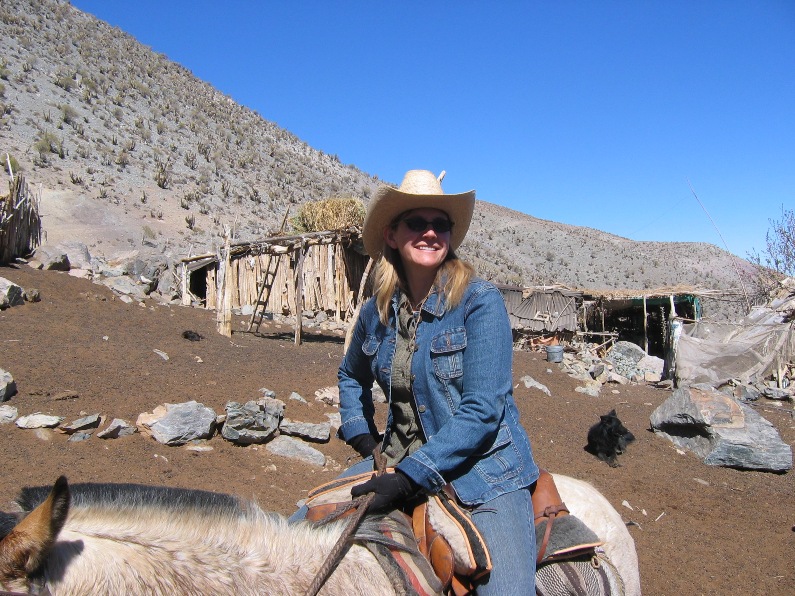
Lynn is very happy to be out in the warm sun and fresh air.
The house in the background is the home of an old man we stopped to visit and bring a little food to. Manuela told us that he has lived here most of his life and although his three sisters want him to move down into town, he continually refuses. Now there have been three dry winters in a row (the last the worst) and there is little food for his goats and some of them have started to get sick and die. But of course he is still too stubborn to move down to the village yet, but he may have to soon - not because he is too old and feeble but because his goats can't get enough to eat up in the dry hills. For some people here in Chile, dry cold winters are much more than a mere uncomfortable inconvenience.
 `
`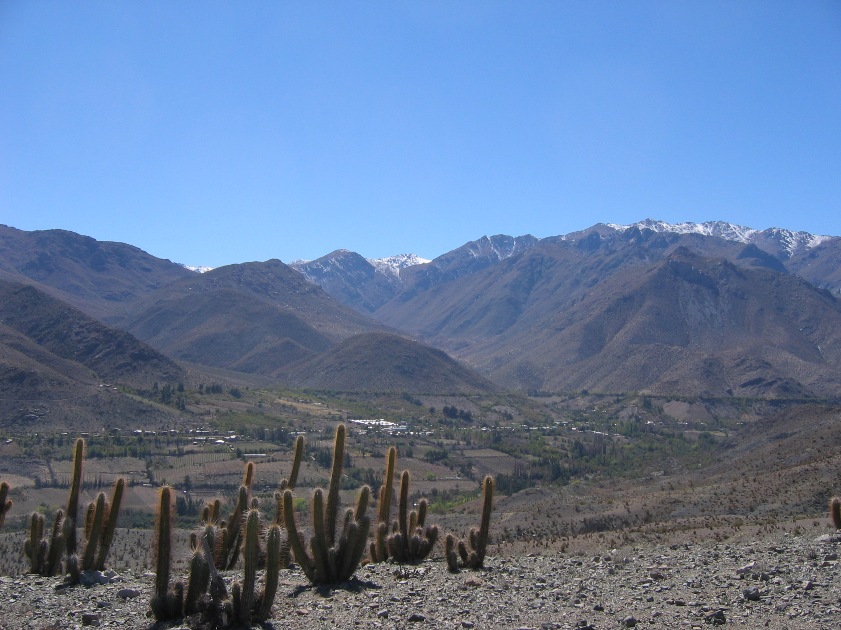
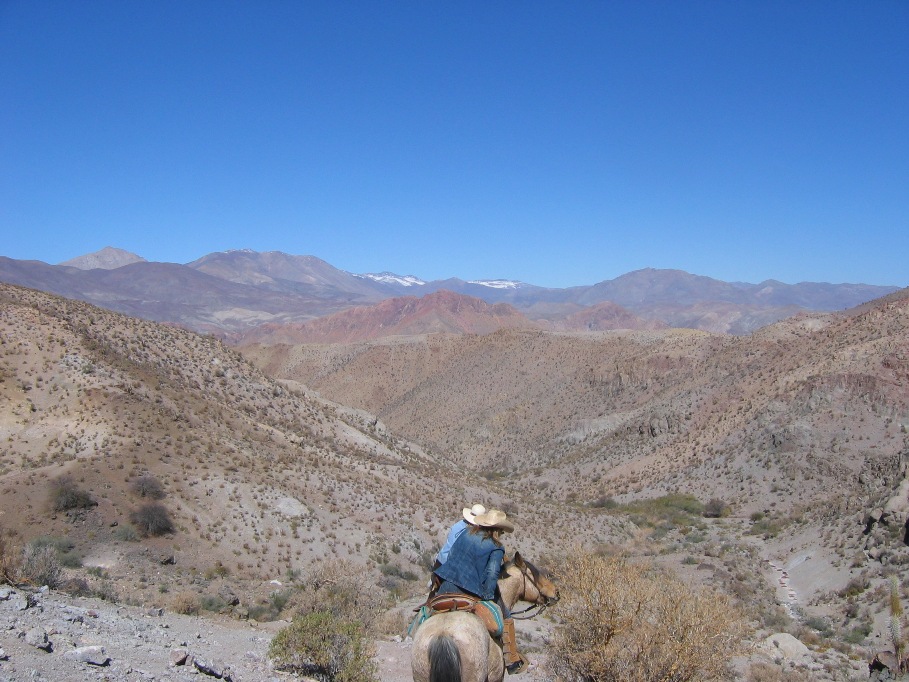
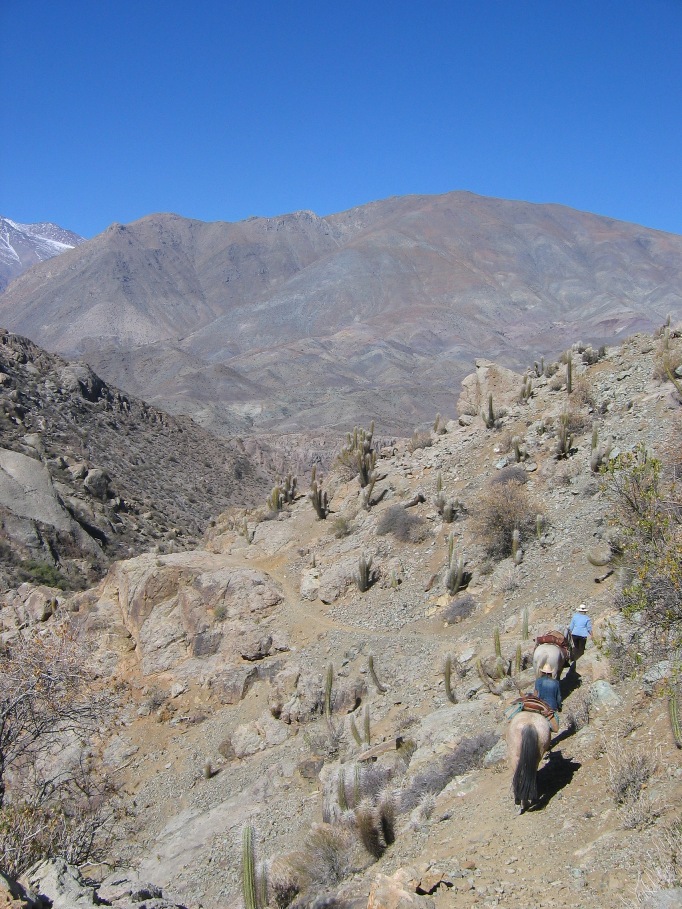
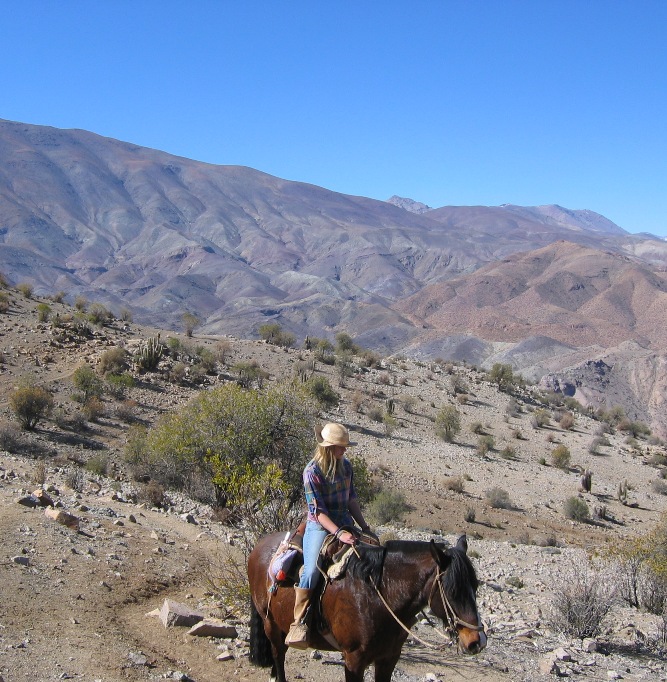
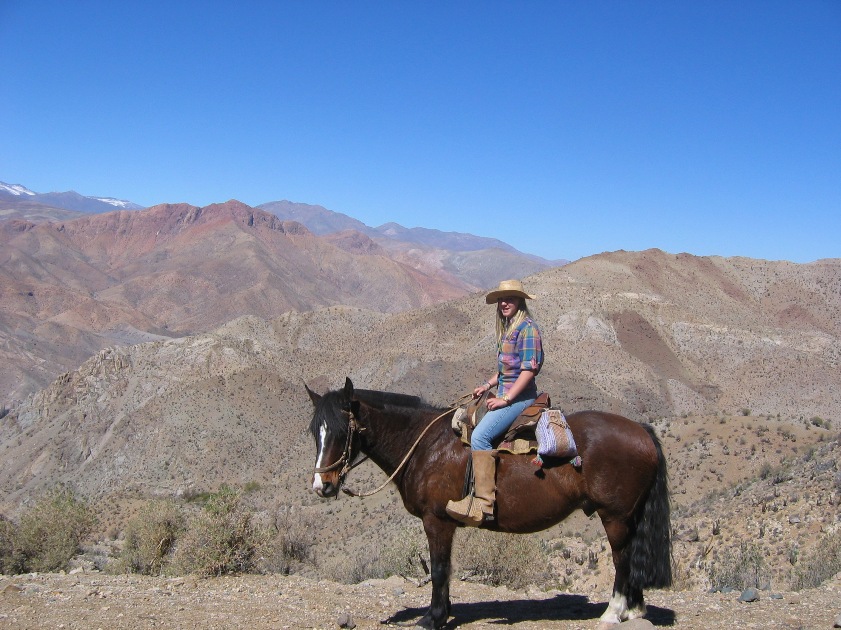
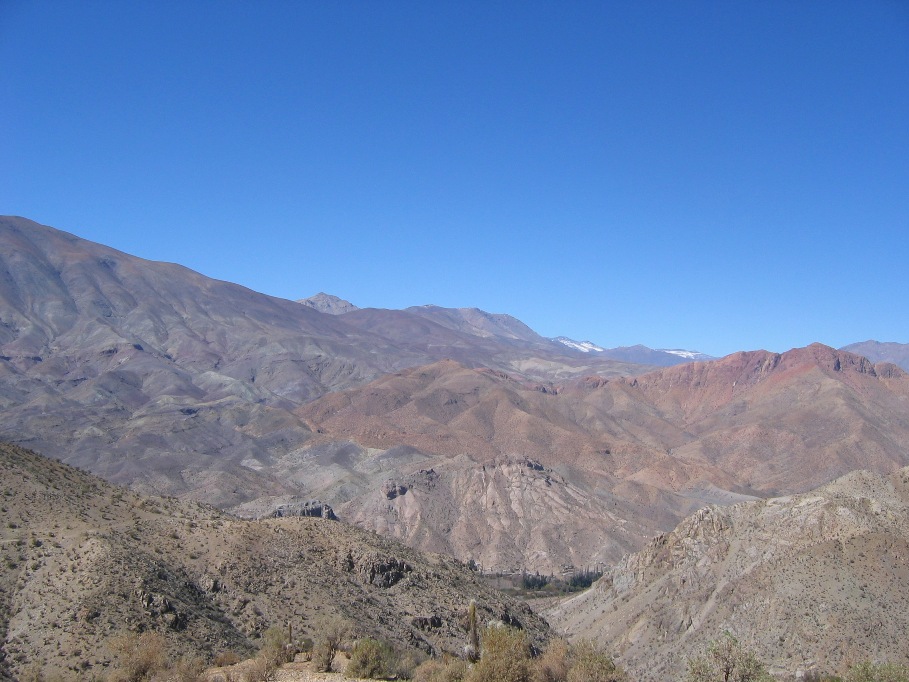
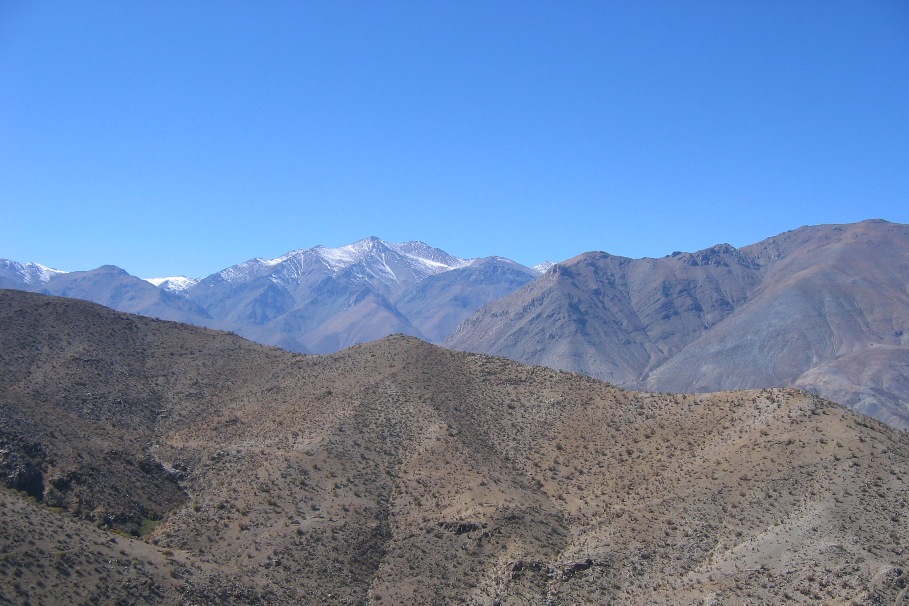
Scenes from the day 2 trail ride up the opposite valley wall across the river.
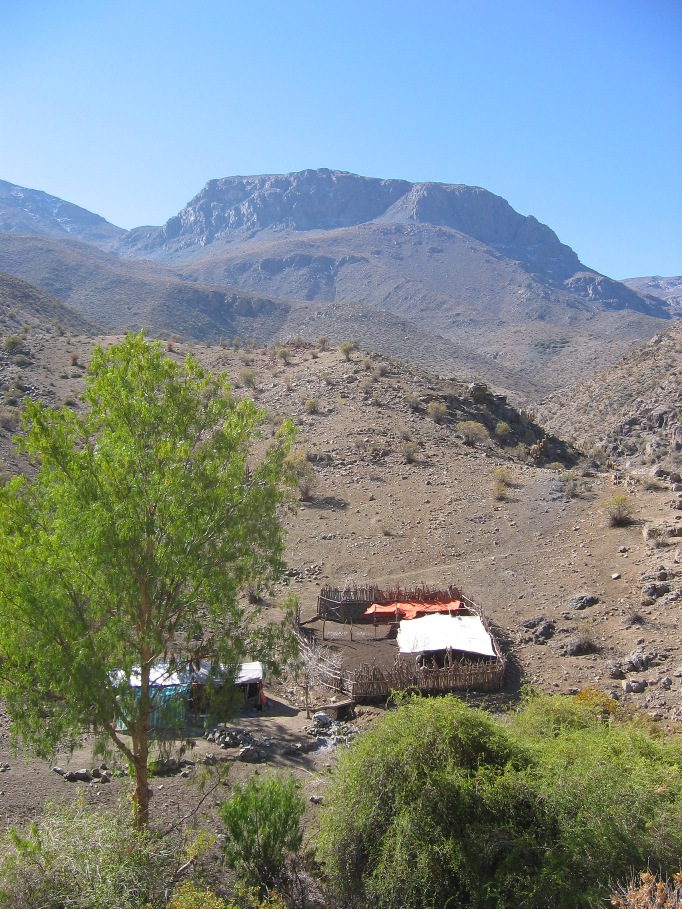
Most of the high country goat shacks are (recently) abandoned as the nearby springs and wells have dried up and there is little vegetation in the surrounding territory to feed the goats. These humble abodes probably can be bought for a very cheap price, although I don't know much about the Chilean real estate market - yet.
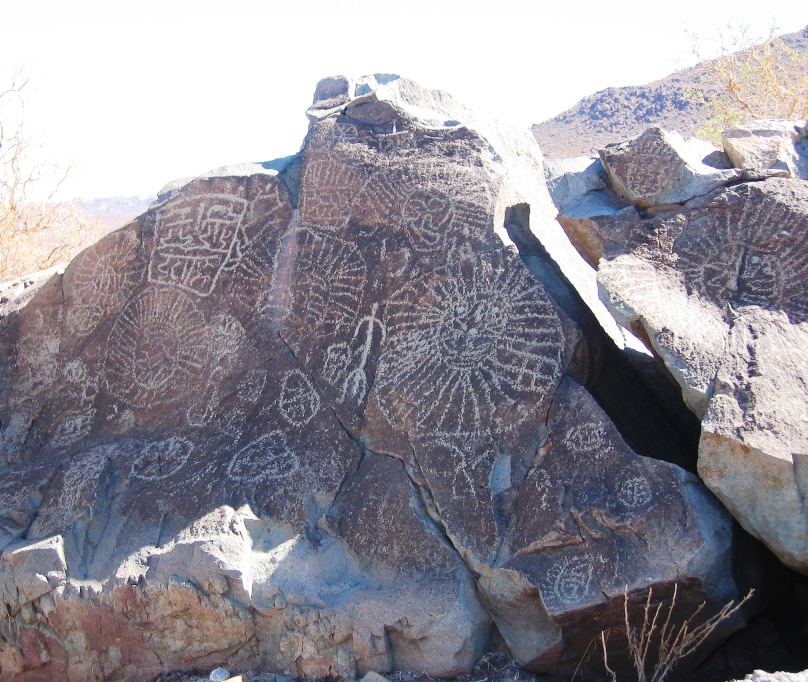
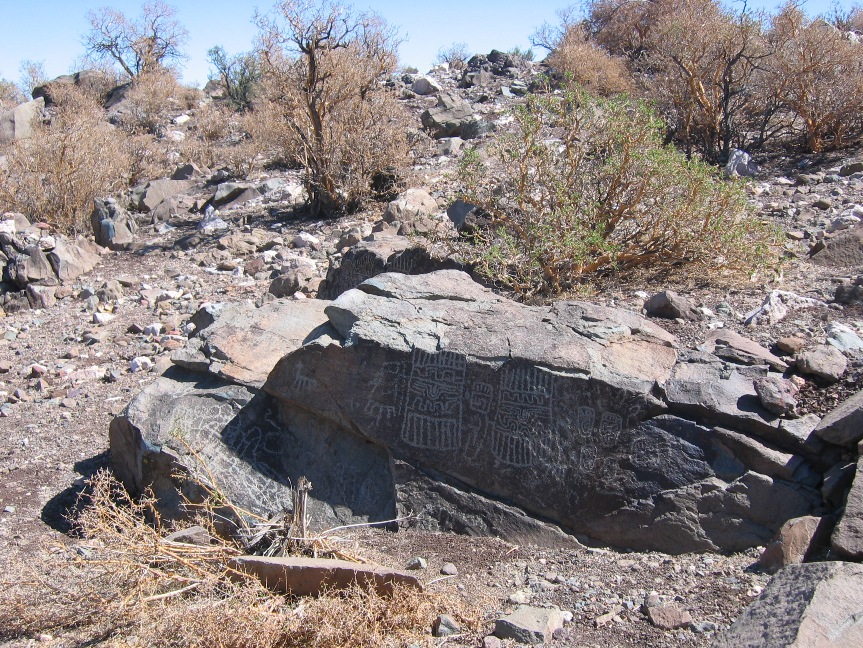
On the day 2 ride, we stopped for lunch near these Diaguita Indian petroglyphs, which date back to the time period when the Inca's ruled the neighborhood. The time period is evidenced by the sun images. The sun was not extremely important in the Diaguita traditions, but Inca conquerors forced local peoples to adopt Inca religious practices, and the sun was the focal point of Inca religion. The sun pictures were most likely thrown into the symbolic stew of these Diaguita made drawings to appease the fairly recently arrived Inca rulers.
When we of the 21st century North American civilization were not riding, we hiked, read, ate, drank, relaxed, and yes - made Tom and Anna do schoolwork. Clear skies and warm, windless evenings (at last) allowed us to use the telescope and make significant progress on the "astronomy" section of the science curriculum. Early each morning, a few scattered clusters of noisy Loro Ticahue (the largest of the 5 species of parrots found in Chile and extremely endangered) screeched overhead on their way up-valley to feed. Then again in the late afternoon between 5 and 6pm, we watched and/or heard them heading back down-valley to their evening roosting spot.
After yesterday's 6 hour ride that climbed over 3000 ft, I think we were glad to "take Sunday off." The dueños (owners) were out for a long ride of their own, so they referred us to a restaurant in the down-river town of Seron for Sunday afternoon dinner. The excursion turned out to be quite pleasant, as we found some parrots sitting by the side of the road who agreed - for a small fee - to sit still for a photo session, and the proprietors of the empty (other than us) restaurant treated us to a fine four course meal with fresh-squeezed orange juice to wash it all down.
Before leaving for California, Geoff, who had helped us with many of our travel plans for northern Chile and was well aware of what was coming up for late August and September, lamented
"Now that I'm leaving, you're going to start doing all the good stuff."
I hate to say it, but I think maybe he was right. I know he would have liked to see those parrots!
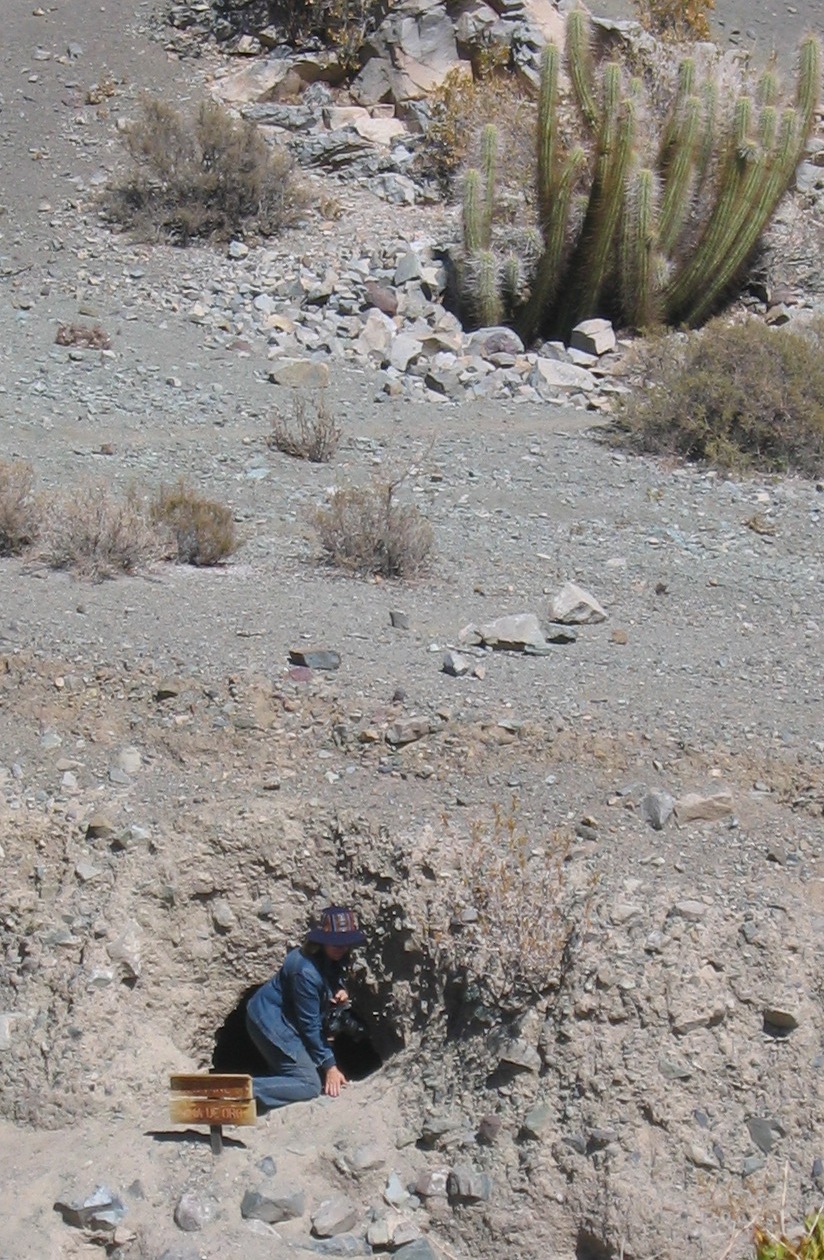
Before our Sunday lunch at Seron, Lynn and I hiked up to an old Inca gold mine. Lynn was curious and hopeful enough to climb into the mine hole, but she came out empty handed.
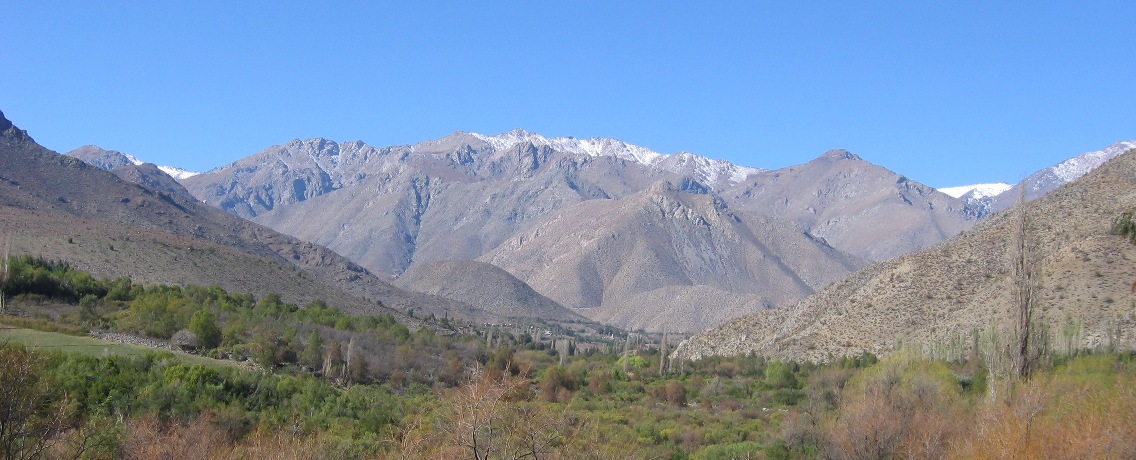
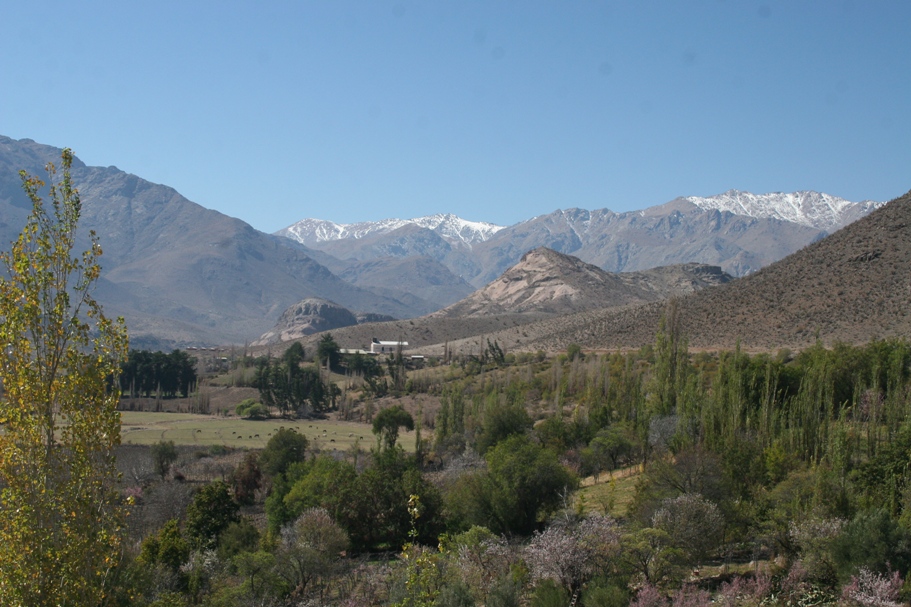
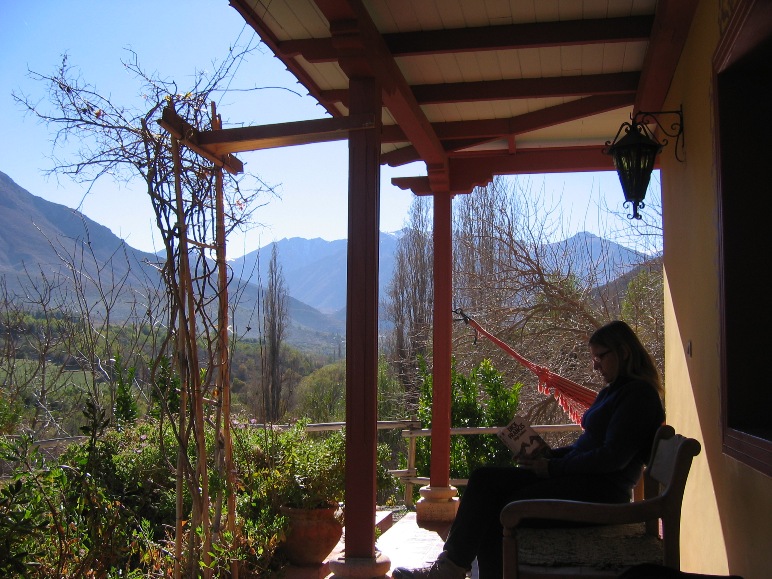
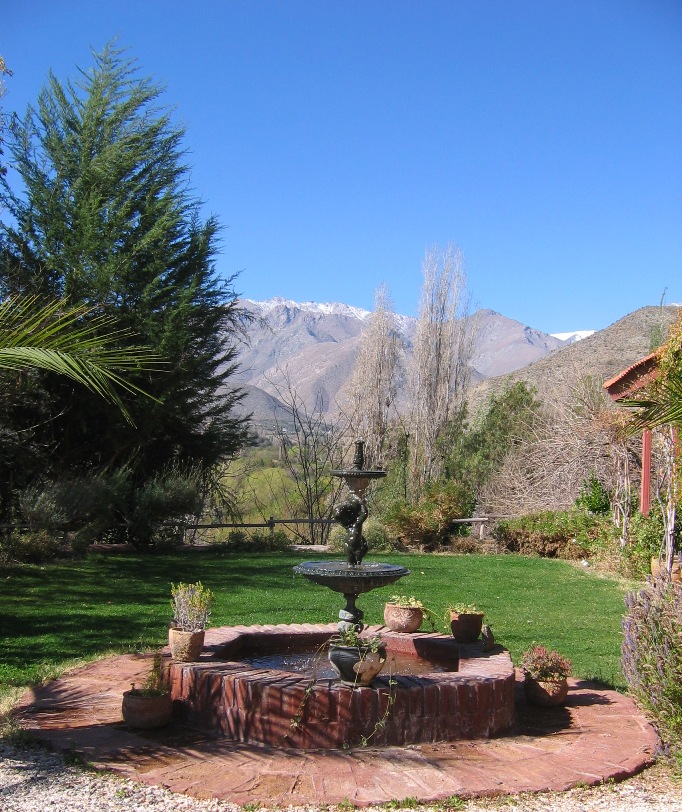
More views of the Hurtado Valley.
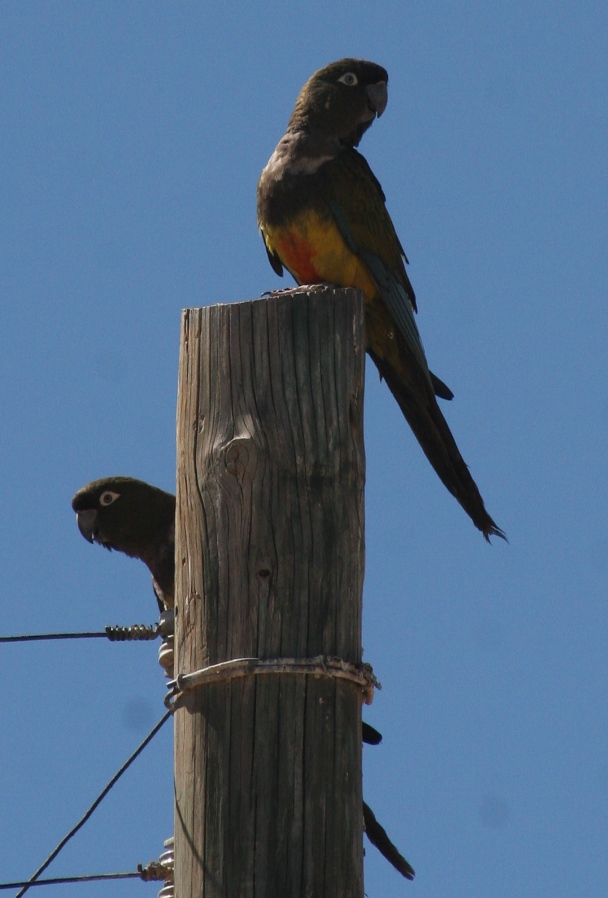
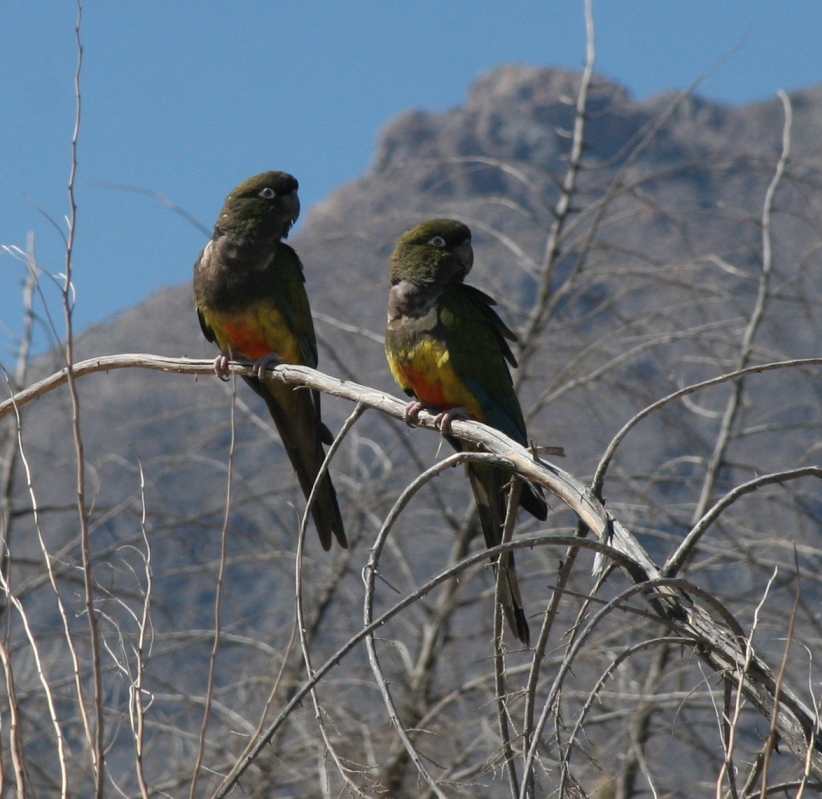
Loro Ticahue ("Ticahue parrot")
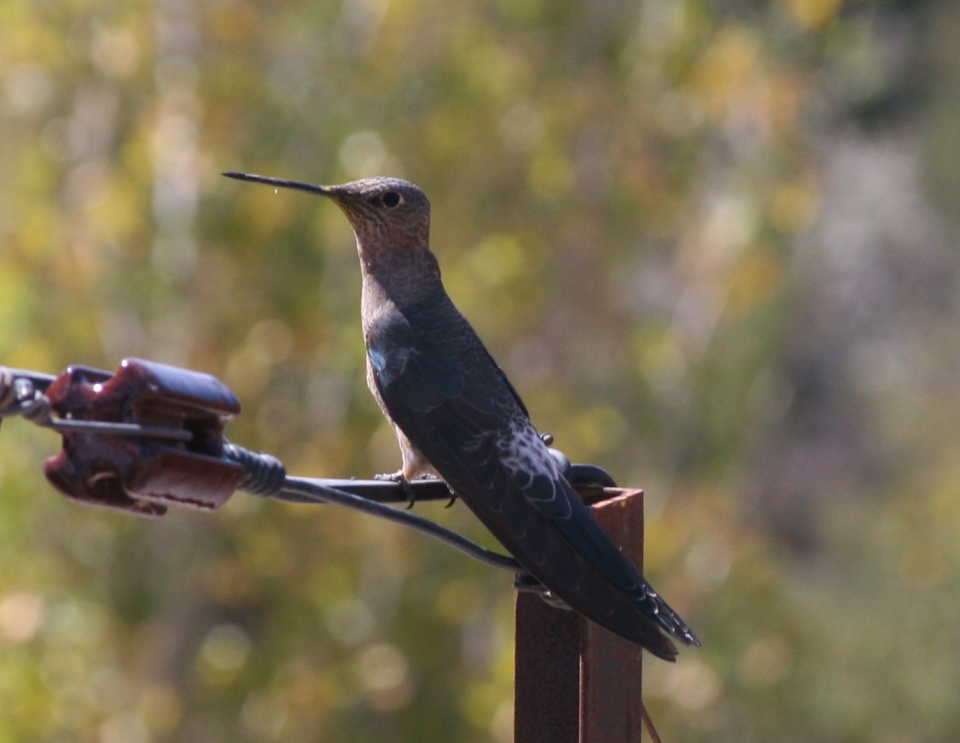
Giant Hummingbird (picture taken from the deck at the restaurant in Seron).
Courtesy of a short guidebook provided by the Hacienda Los Andes, I am able to provide some socio-geo-political information about the Hurtado valley. If you are interested, follow this link.
A Brief History of the Hurtado Valley
-Rolf