Valparaiso
The art of everything
September 30, 2007
There are sharp contrasts between Valparaiso and Viña Del Mar, perhaps made even more apparent by the many significant similarities. If they are sibling cities, Valparaiso is the untamable older child who has tried just about everything - the blue collar intellectual artist poet and off-and-on-again political activist with tattoos, a couple of divorces, a police record, and almost-but-not-quite conquered drug and alcohol addictions. Viña would be the much younger brother who watched the shenanigans of his older sibling with increasing disdain, and as a result grew up polished, conservative, and straight as an arrow. Viña always got good grades, went straight to college and then graduate school (law or business), and now drives a BMW back and forth to work to his important professional job. But the two still bear more than just a hereditary likeness (which by the way, is inevitably strong)...
OK, enough metaphorical gobbledygook...
Valparaiso had been around for over three and a half centuries before Jose Vergara started sub-dividing his vast estate and selling plots of land along the coast north of town in the area which is now Viña Del Mar. Such a great deal of significant Chilean history has happened here that I won't even try to cover it with a bulleted list - it would probably drag on for several pages.
After being here in Valparaiso for a few days, I can't help but think about the similarities between Valparaiso and San Francisco as well. They are both historical port towns which outgrew their geographical confines and pushed up onto the surrounding hills. Both suffered a devastating earthquake in 1906. In San Francisco, the enterprise of a maritime port has been usurped by the financial industry, and the shipping industry has moved across the bay to Oakland or to other coastal cities of the western US. In Valparaiso, after the opening of the Panama canal, the number of ships stopping here to re-supply after rounding Cape Horn dropped precipitously and the city suffered a serious financial crisis. But as Valparaiso was founded more than 200 years before the first white settlers erected a fort at the Presidio in San Francisco, there are a couple more centuries worth of history, architecture, culture, and politics folded into the exuberant mixture if ingredients that make up the modern Valparaiso.
What is it like now? A sensory overload, for one thing.
Noise: Busses and taxis drive like maniacs, honking and weaving and racing around blind curves, engines screaming on the narrow roads that crawl up and around the hills. Every day we see a handful of near-collisions between taxis (and of course the craziest driver usually yells the most). Marching band practice from the school near our hotel and/or the navy band that parades around town adds a brassy touch. Dogs bark incessantly. Garage rock bands take turns trying to drown everything else out in the late afternoon and early evening. Geese and roosters can't even make much of a dent in the noise level. Every now and then, when there is a brief simultaneous pause in everything else, we can hear church bells.
Sight: The architecture is astounding; an un-planned, random, crazy collage of elegant and ancient Victorian buildings mixed in with almost everything else imaginable. Up in the hills, art covers just about everything - murals on walls and houses, shocking bright color combinations of paint and/or rust, and graffiti (of course). Then if you look down from the hills towards the ocean you have a glorious panorama of the ocean with sailboats, freighters, and military ships, not to mention the coastline which stretches all the way up past Viña Del Mar. There is something fascinating to look at no matter which way you turn.
Smell: Diesel exhaust. Fresh Bread. Cigarette smoke. Wonderful food smells from a varied and plentiful collection of cafes, bars, and restaurants. Dog droppings (everywhere). Urine. At any point in time in any place in the city, you will smell some combination of the above, often quite strongly.
Taste: the food served in the restaurants and cafes is excellent (probably the most varied and international cuisine in Chile).
Feel: good and tired if you walk up and down those hills very much!
Our hotel is up one of the hills, so after parking the truck in the nearby hotel parking lot (someone's gated side-yard full of barking dogs and honking geese), we decided to leave it be and use taxis or our feet for most ensuing around-town excursions. On Wednesday we consulted a tourist map before embarking on a walking tour of the old central city. The walk eventually took us, via a contorted maze of stairs and cobblestone streets, up onto the hill "Cerro Bellavista." The collection of murals and brightly painted houses on this hill have been declared an "open air museum," assumedly for being better, brighter, and more varied than those on the other hills of Valparaiso - but from what I can tell, the street art is everywhere in this city - on every hill, on gates, mailboxes, walls, roofs, signs, streets, and curbs. It's amazing.
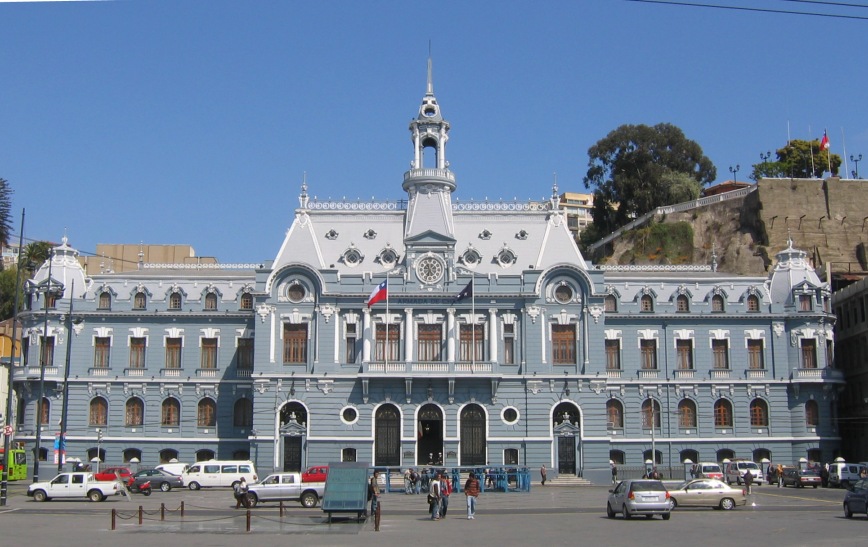
The old regional government building at Plaza Sotomayor.
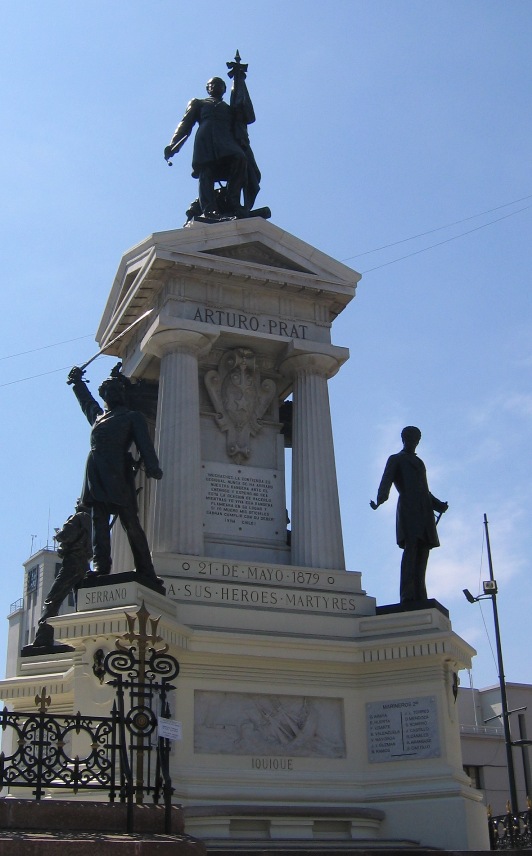
Statue to Alberto Pratt, dedicated to all soldiers who died for Chile, and commemorating the day good ol 'Berto died as a military martyr in the War of the Pacific (21 de Mayo 1879).
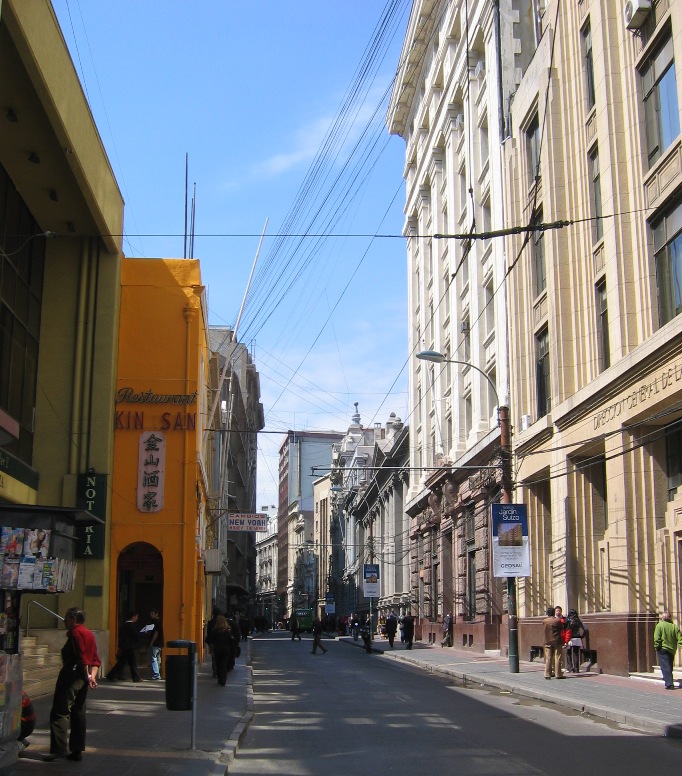
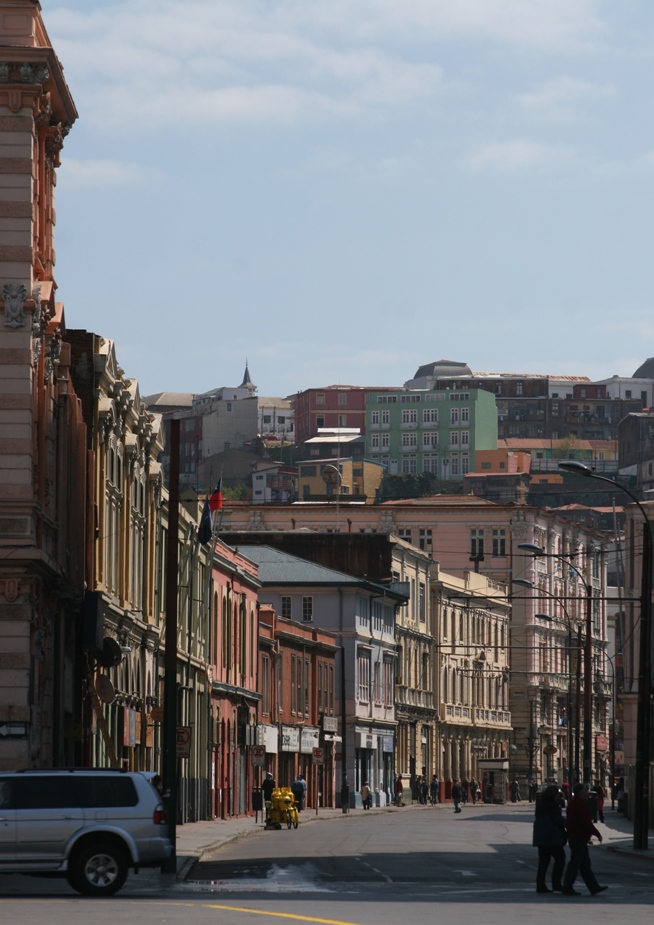
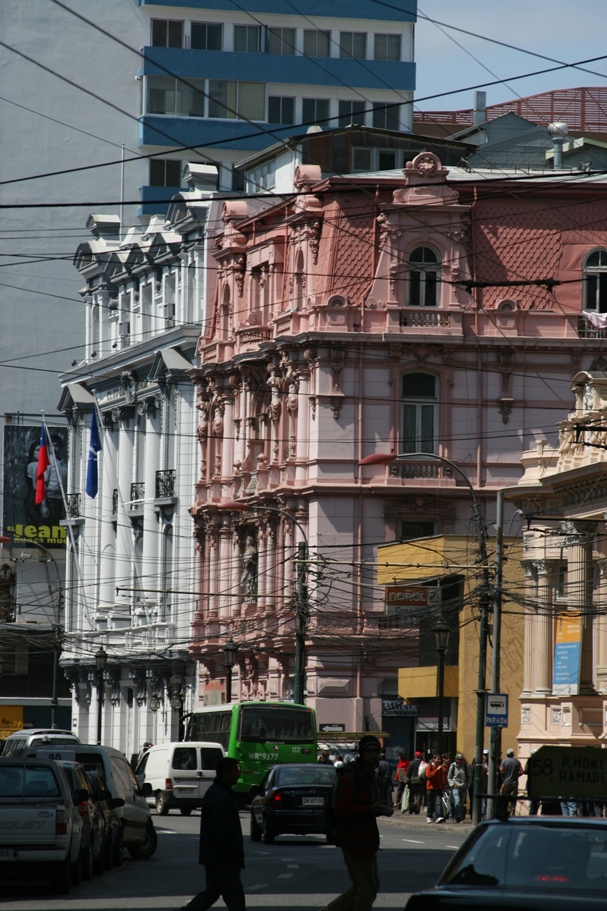
Looking up various streets leading away from the Plaza Sotomayor.
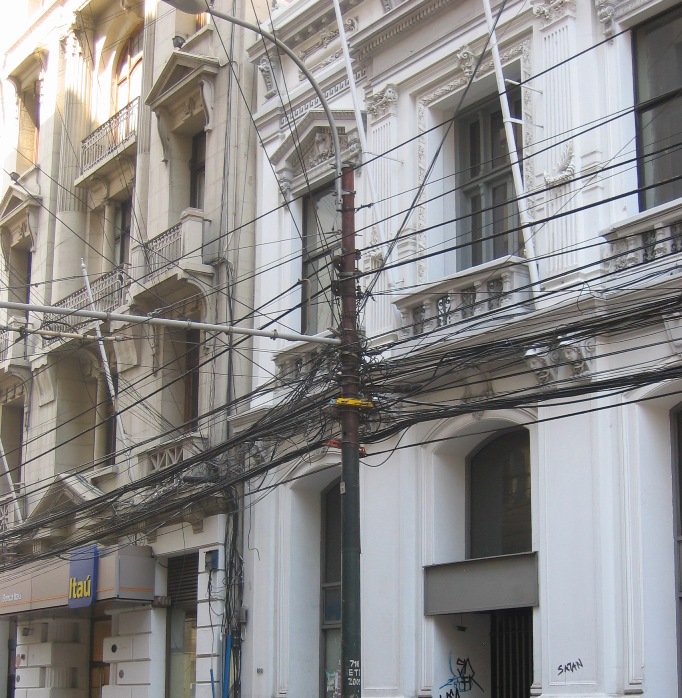
Valparaiso is too congested and crowded to be able to stand back and take an unobstructed look at anything. Looking at a building or statue, there's always something else in the view - the ubiquitous obstruction (or adornment) is a thick tangle of electrical and phone wires.
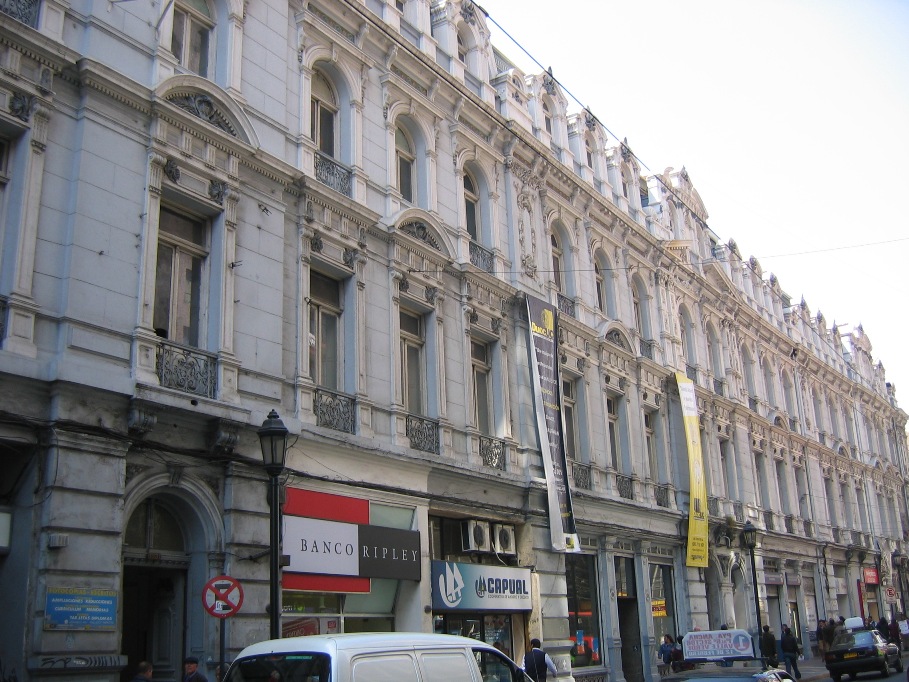
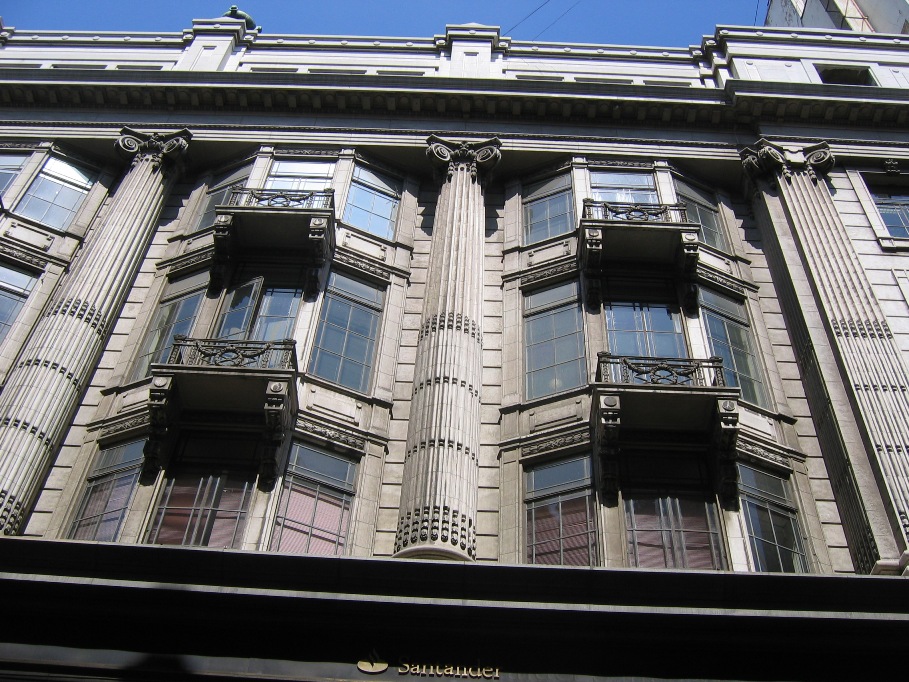
Some of the elaborate old buildings along the Avenida Brasil.
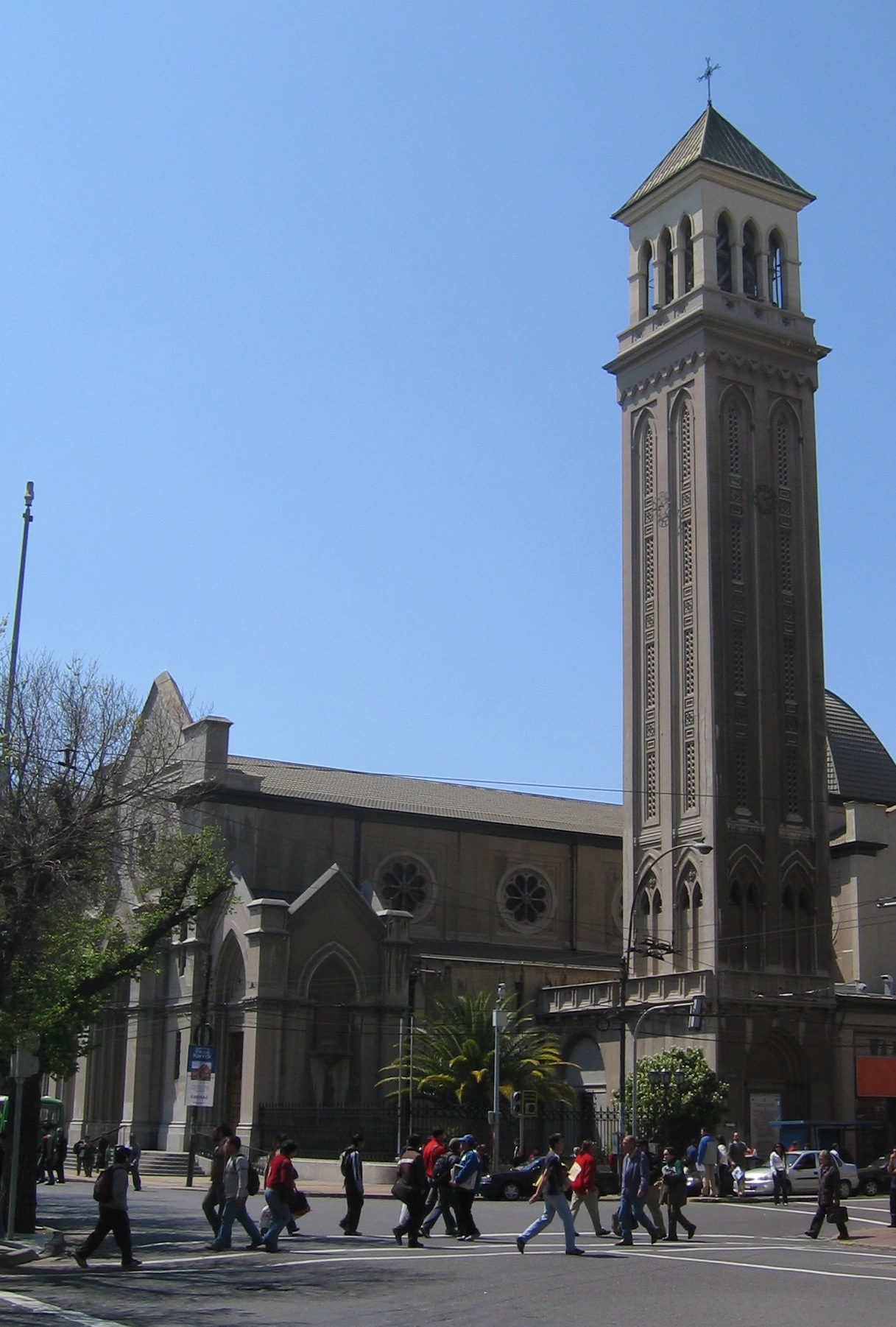
Cathedral de Valparaiso.
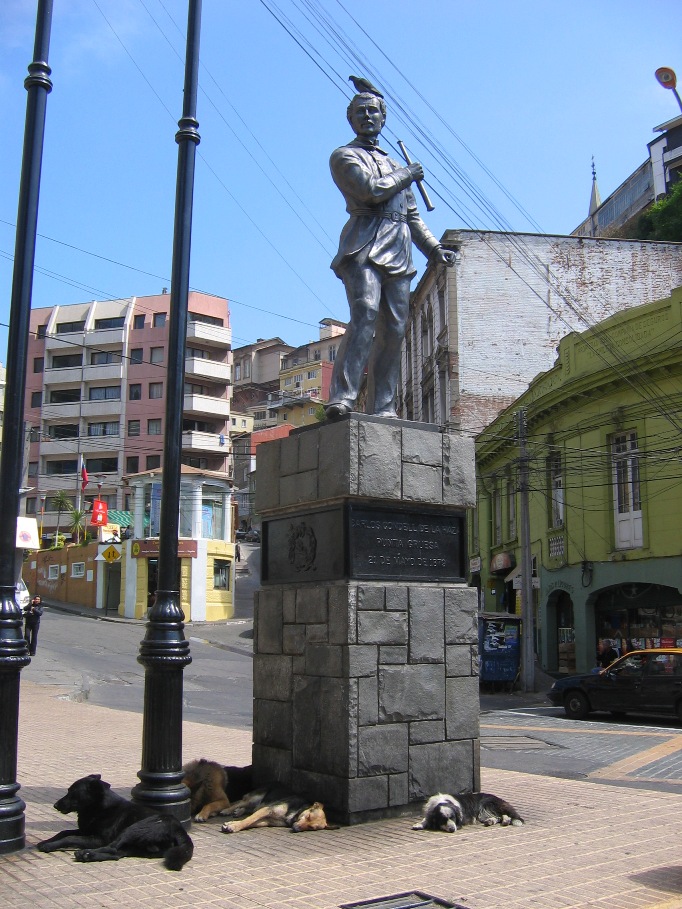
This man, named "Condell," must have done something important and glorious during his lifetime, for now his marble likeness lives on in perpetuity guarding the corner of a street bearing his name, having been also awarded the dual honor of providing a resting place for gull droppings and shade for street dogs.
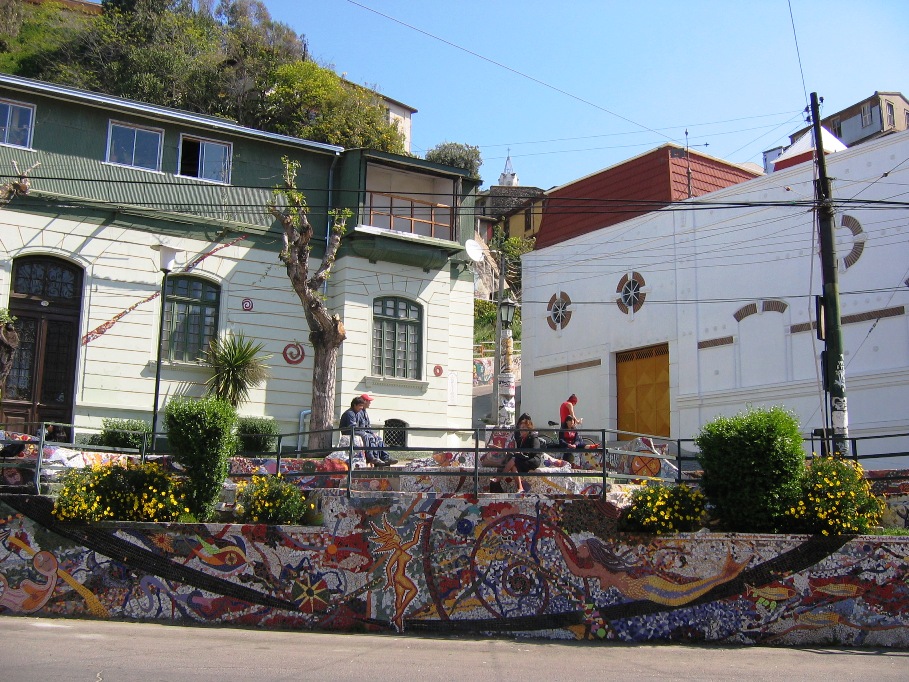
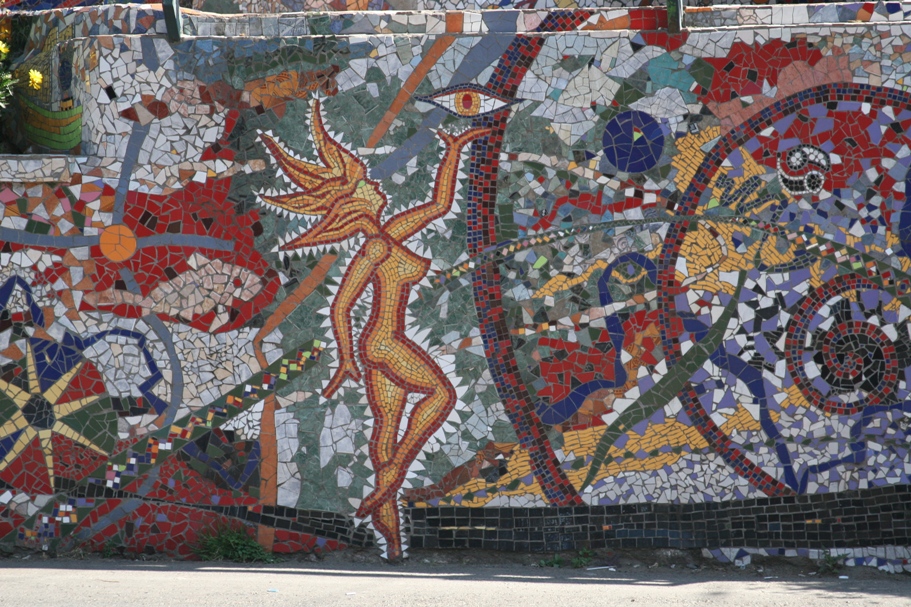
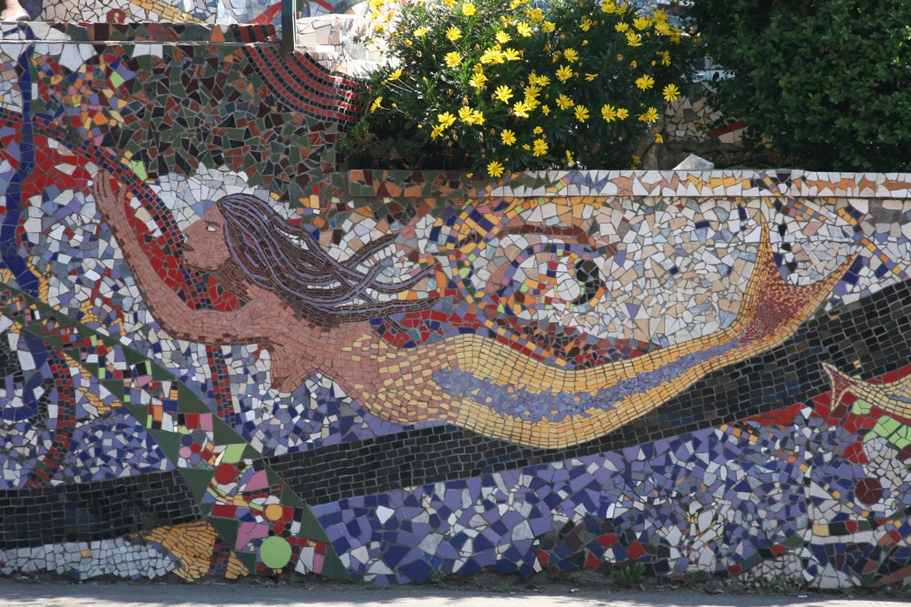
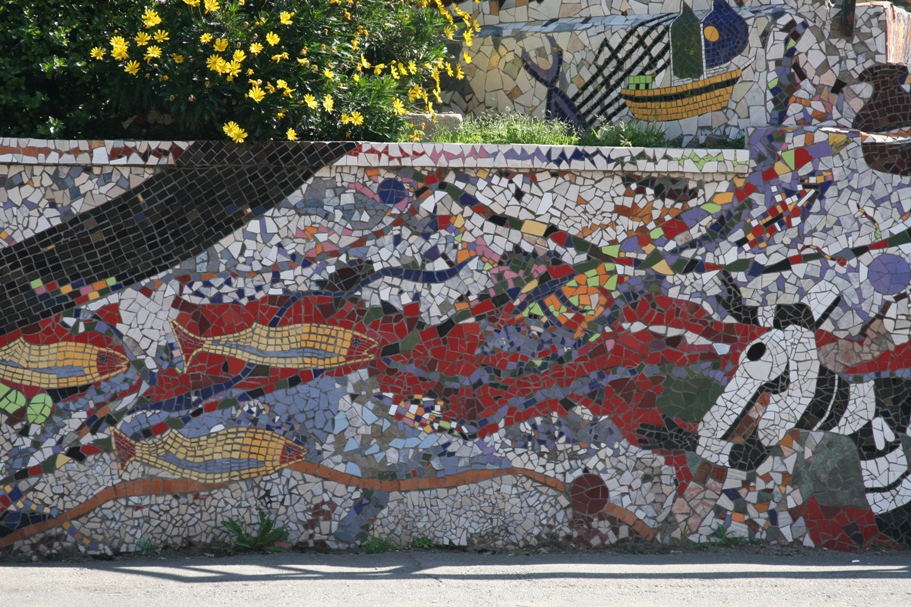
Mosaics decorate the corner as we begin to walk up Cerro Bellavista.
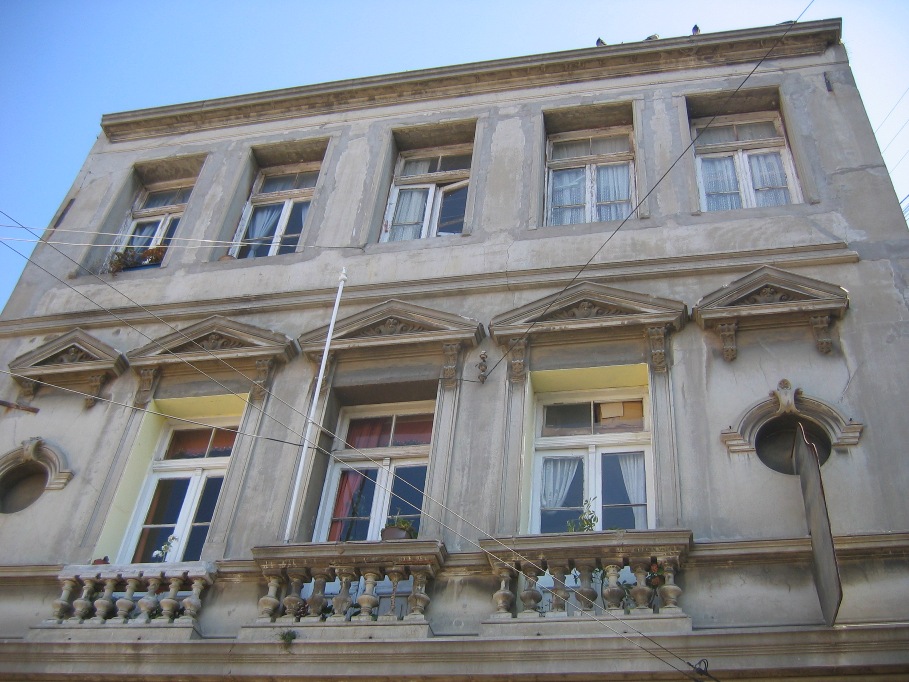
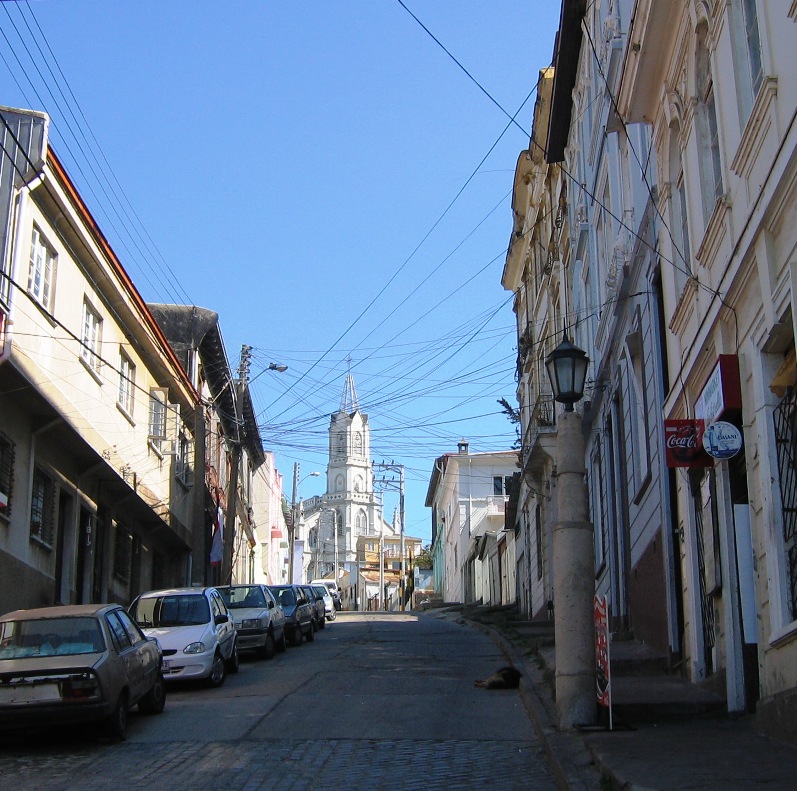
Sights along the way.
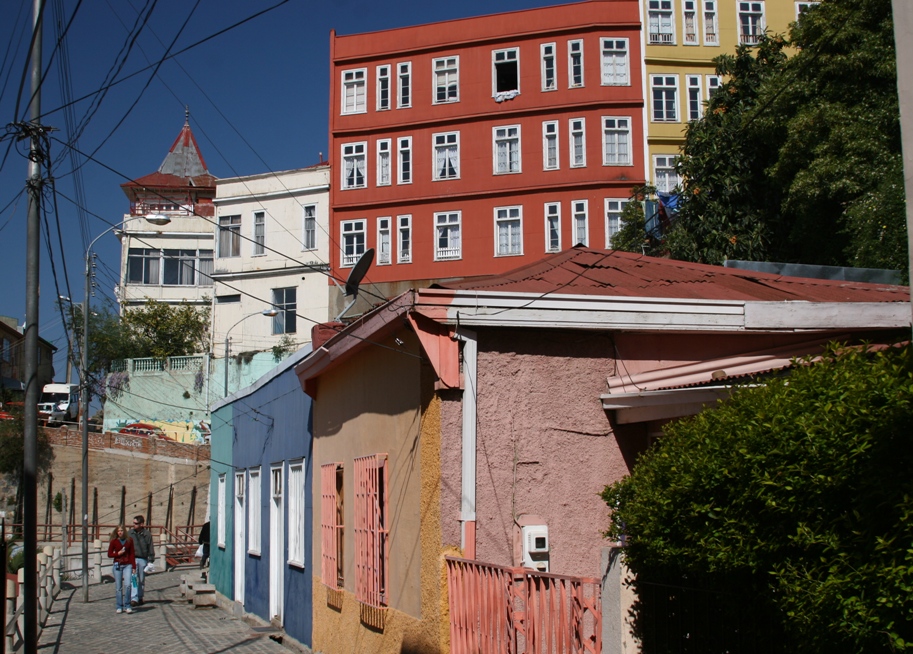
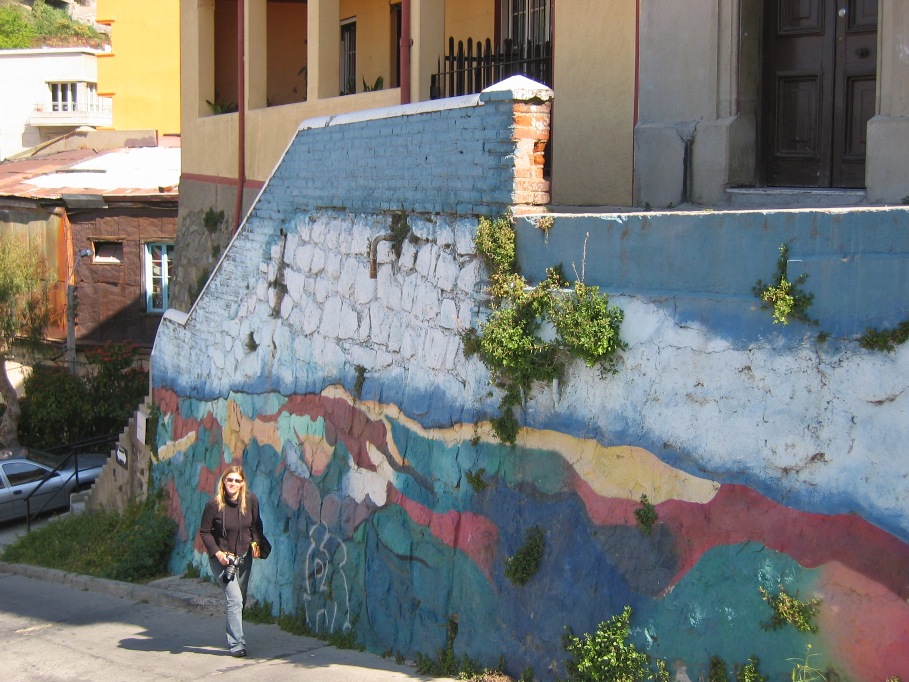
Soon we began encountering murals and colorfully painted houses -
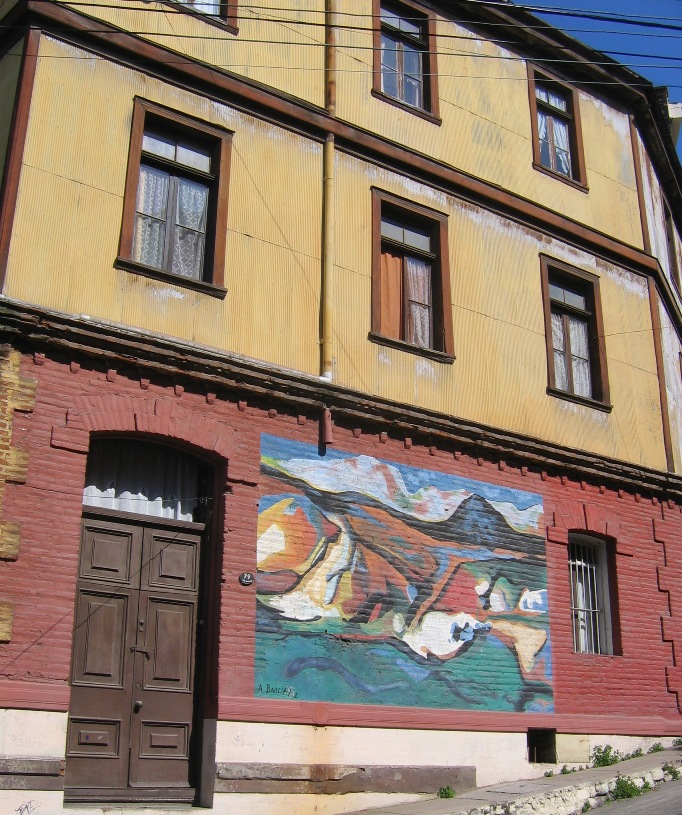
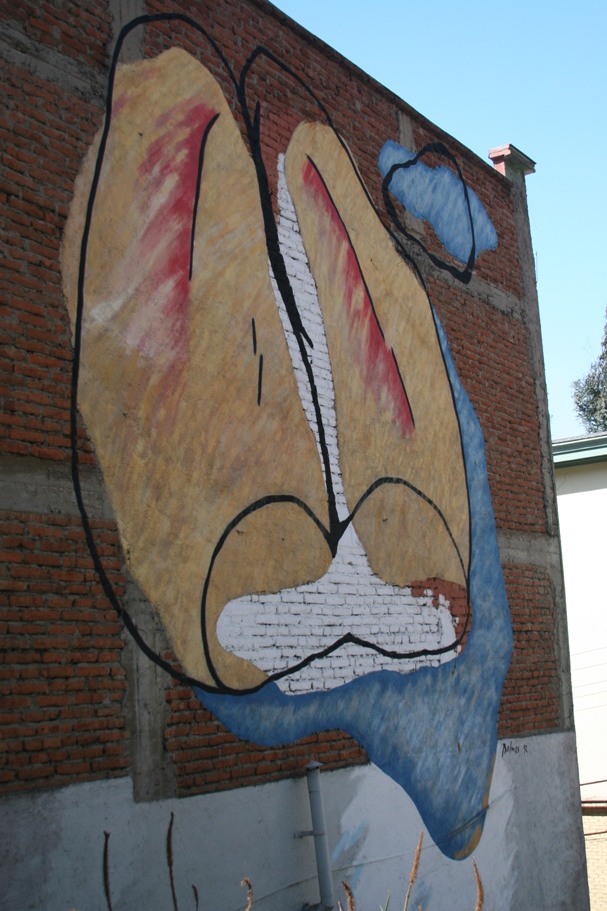
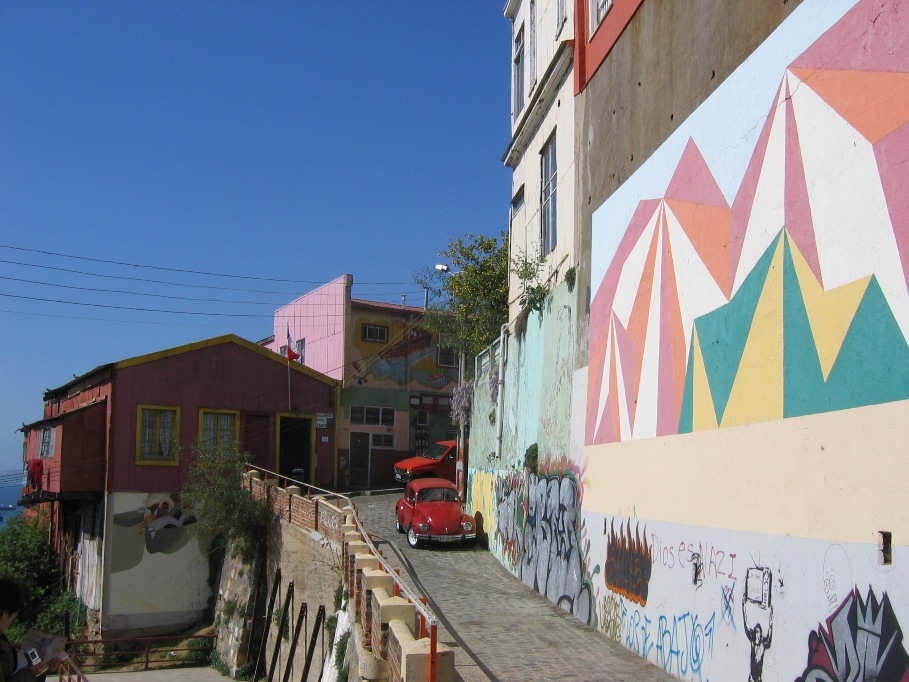
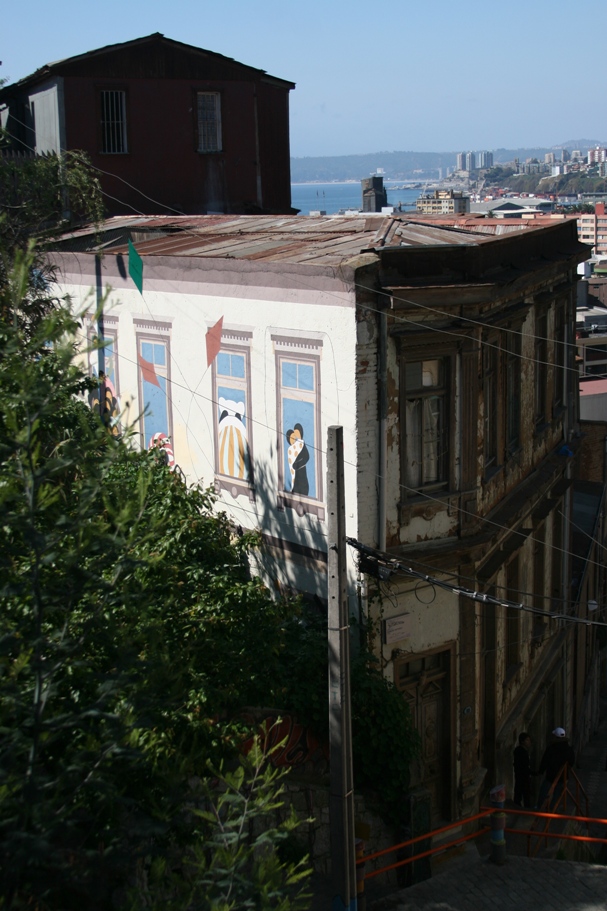
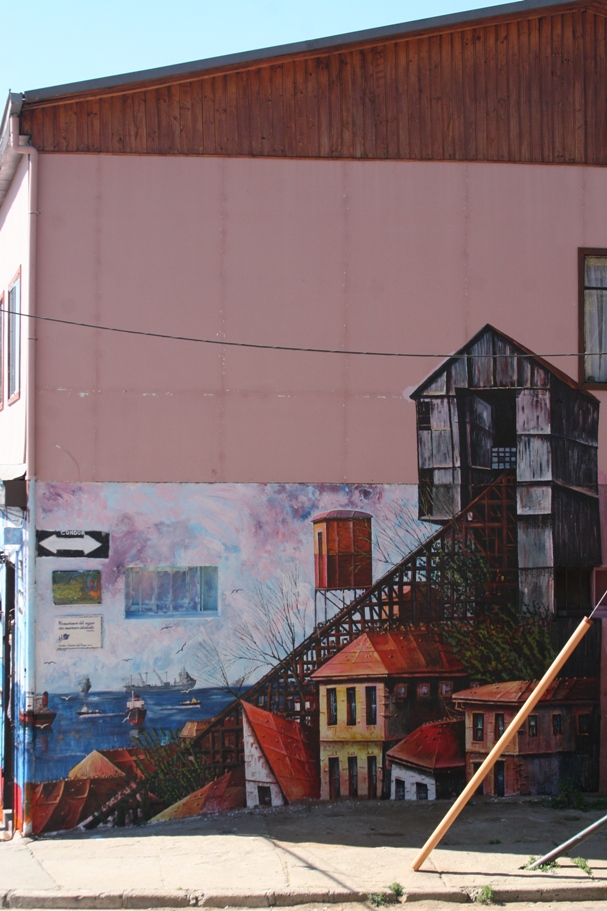
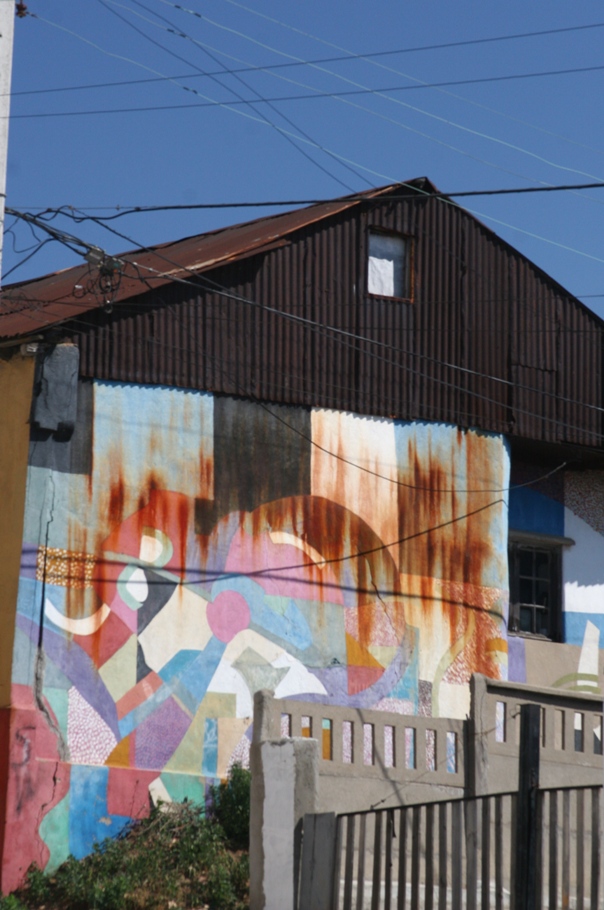
and a seemingly endless supply of them.
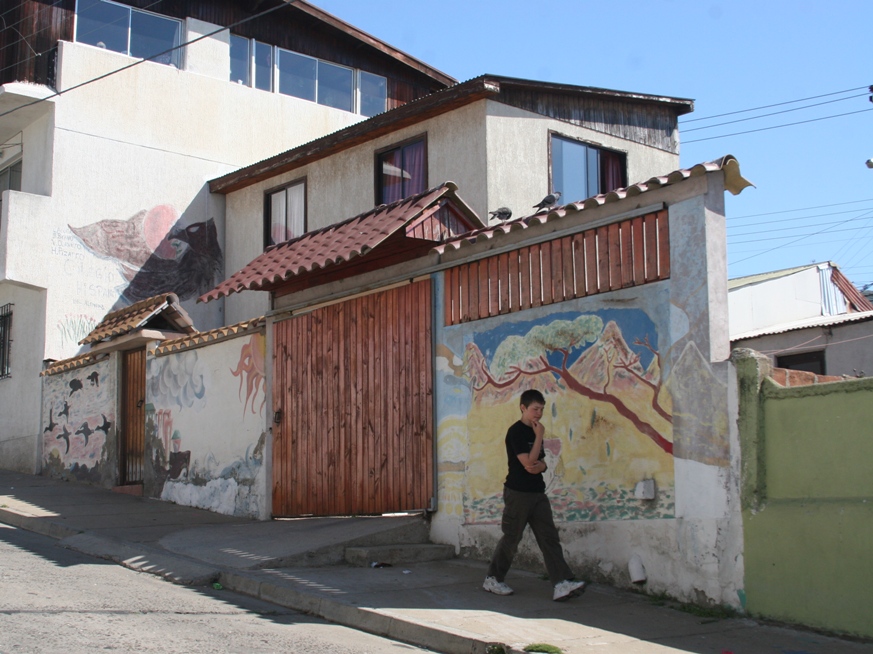
A man on a mission. Tom is thinking about something... perhaps the Pablo Neruda poetry his mom made him read before taking this walk.
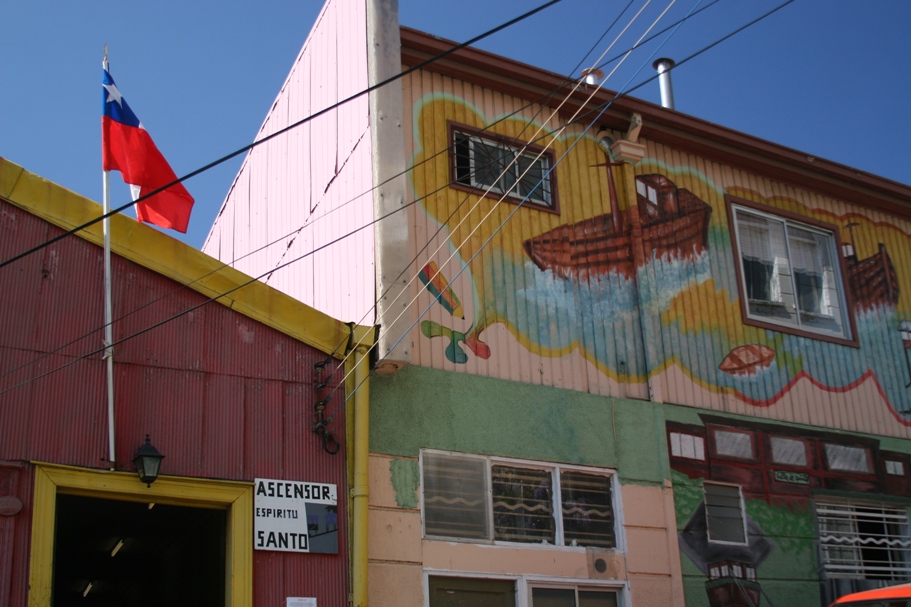
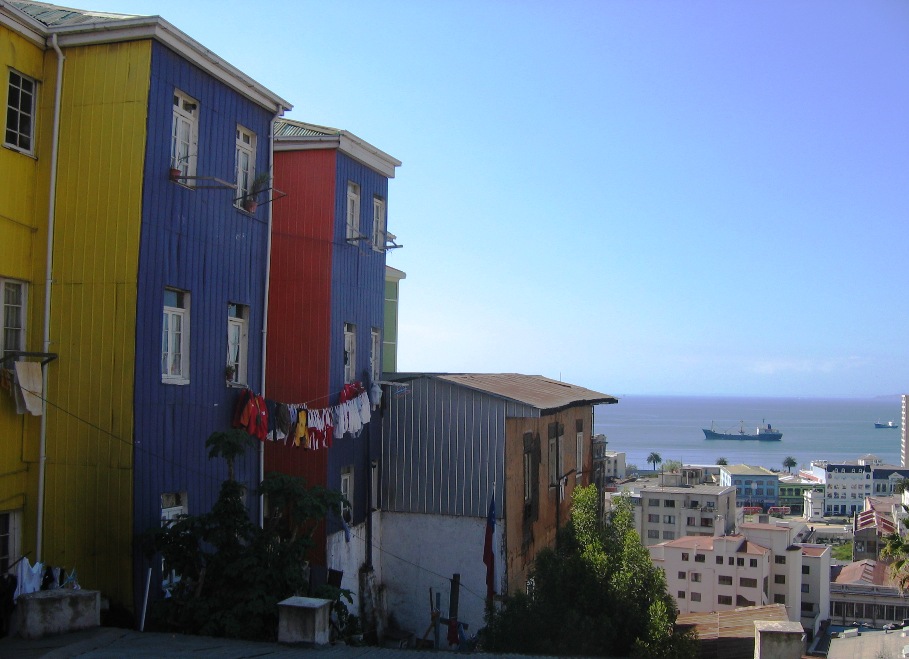
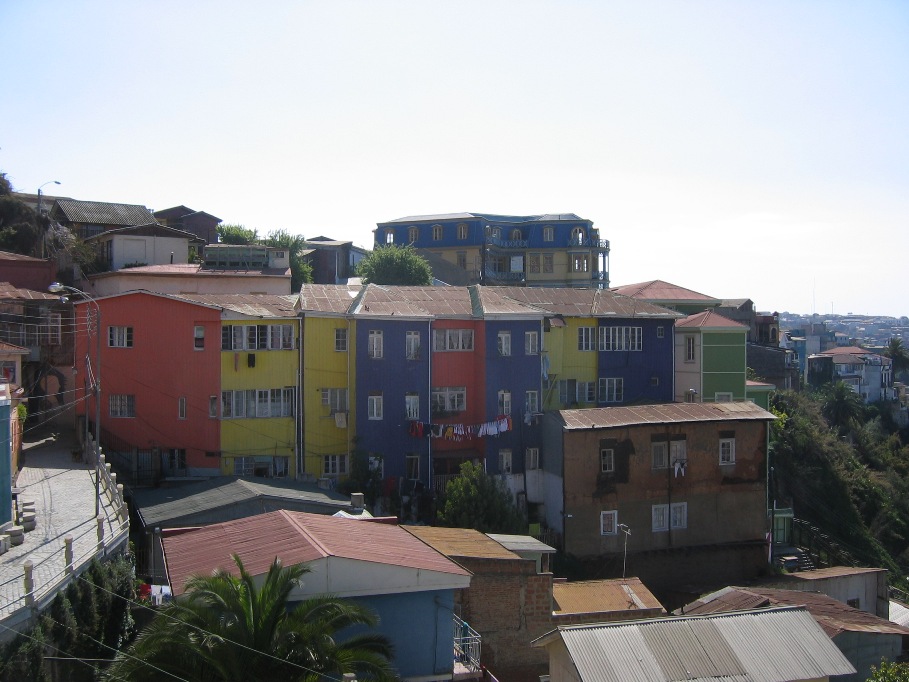
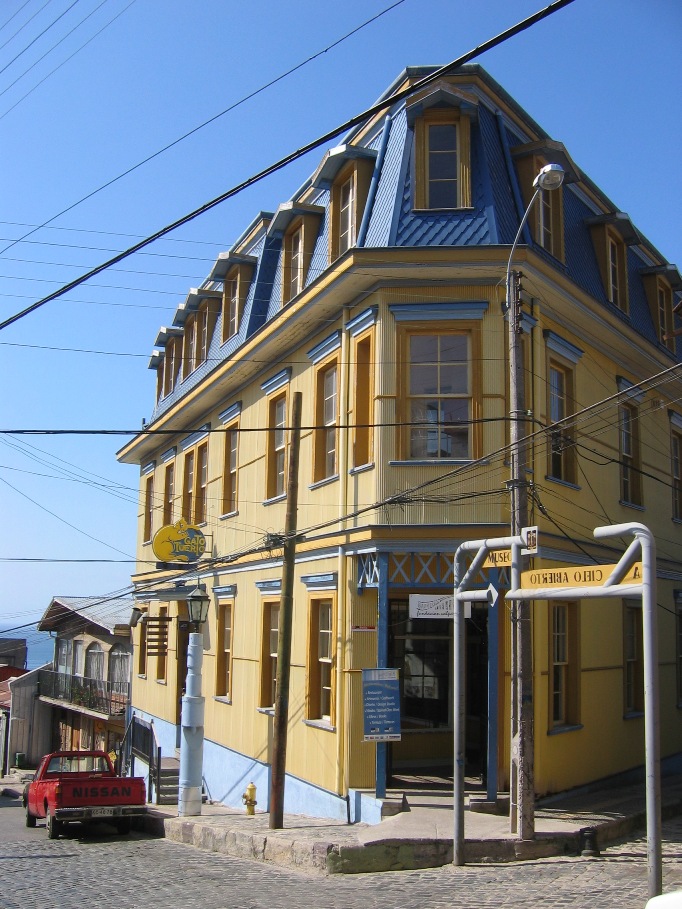
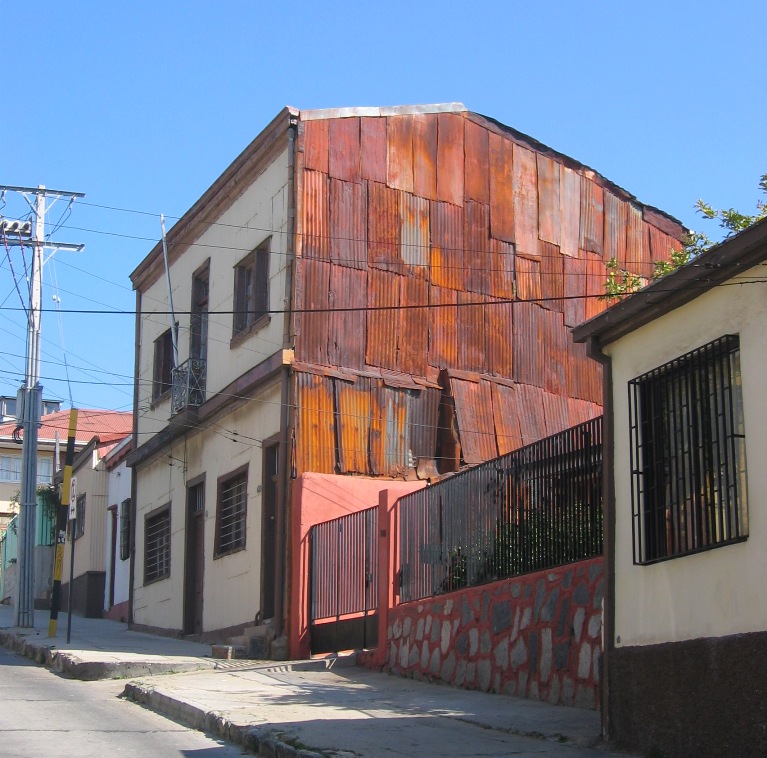
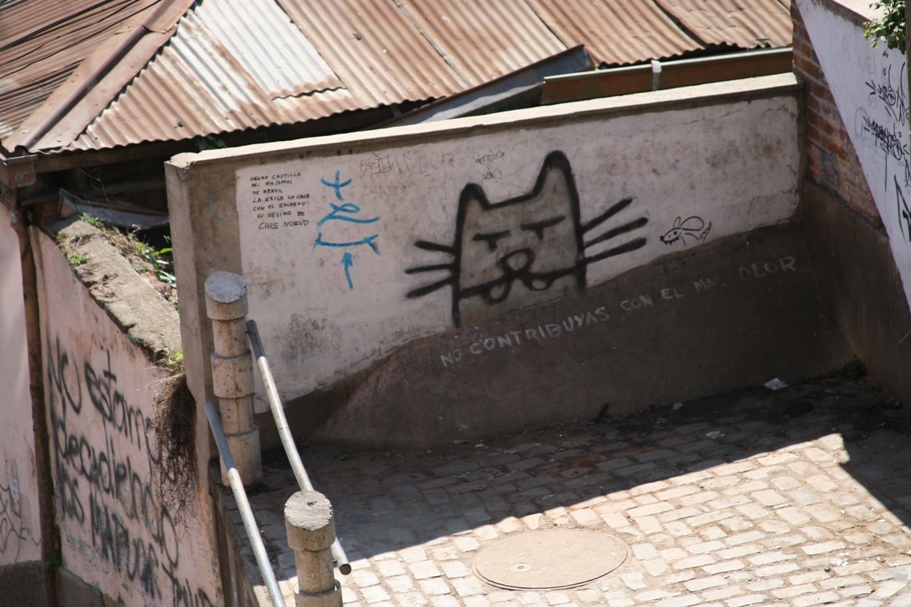
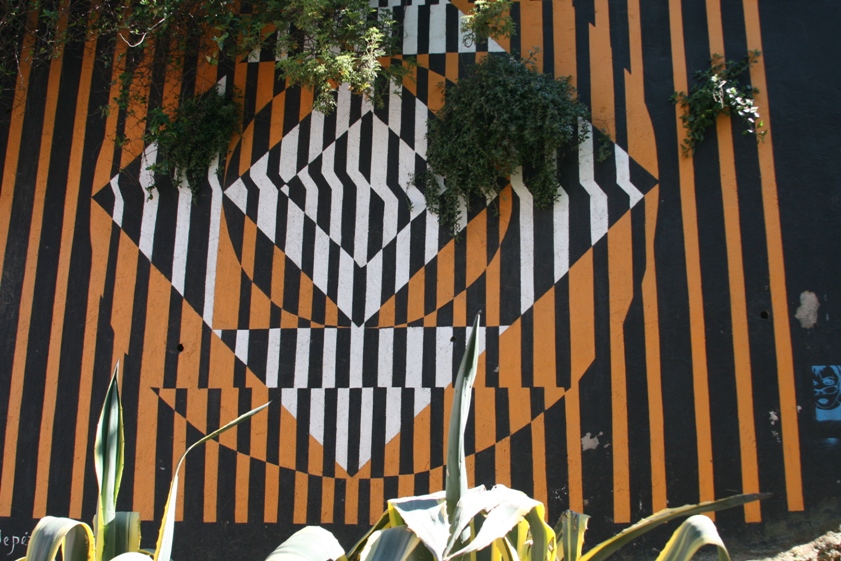
More colors and art in the hills of Valparaiso...
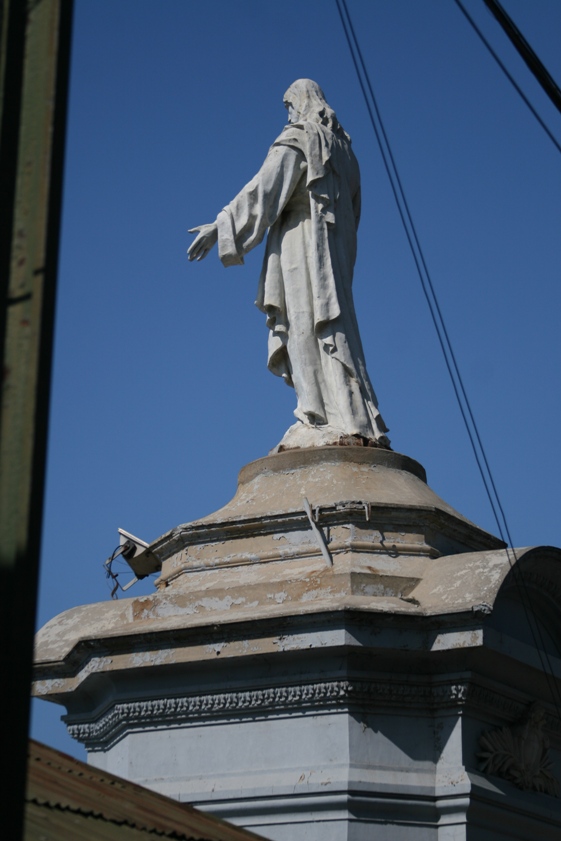
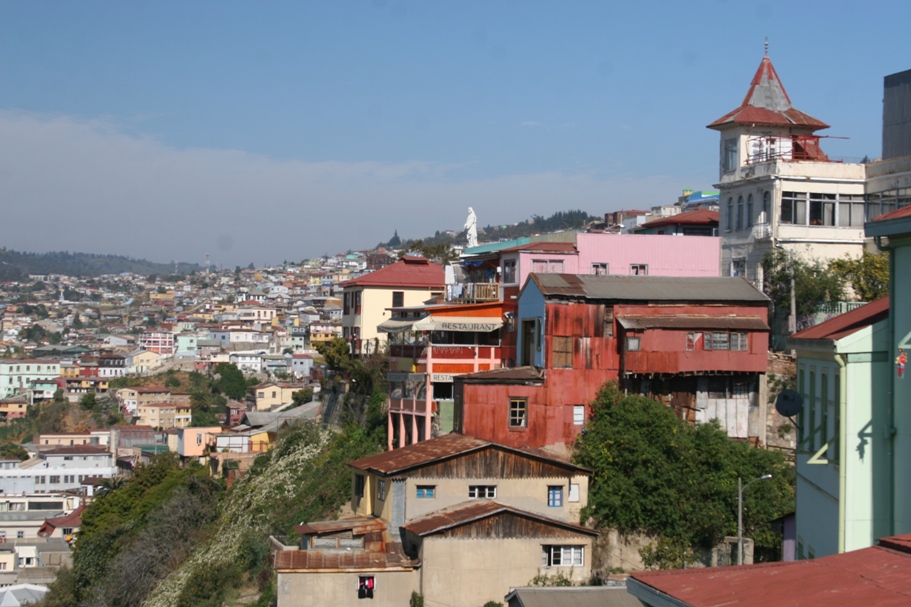
It is difficult to get a close look at this statue of Christ. The city grew up and around it. We were able to walk right behind it, but from what we could see, there is a log-jam of dilapidated buildings just below the face of the statue, so the only way to see the front is from a distance.
Thursday we took another stroll to see the Valparaiso home of Chile's "other" Nobel-laureate poet, Pablo Neruda. His literary style and personal history differ drastically from Gabriella Mistral. Neruda was quite politically active and worked in various Chilean embassy's around the world. He was elected to the Chilean Senate as a member of the communist party, and was eventually exiled for a few years when a conservative president outlawed the communist party. He died in 1973, less than two weeks after Pinochet's coup. The house is an incredible work of art - Neruda called himself a "spontaneous architect." It is 5 small stories tall, and filled with oil paintings, stained and colored glass, and eclectic furniture. We can't show any of that because they didn't allow photos inside.
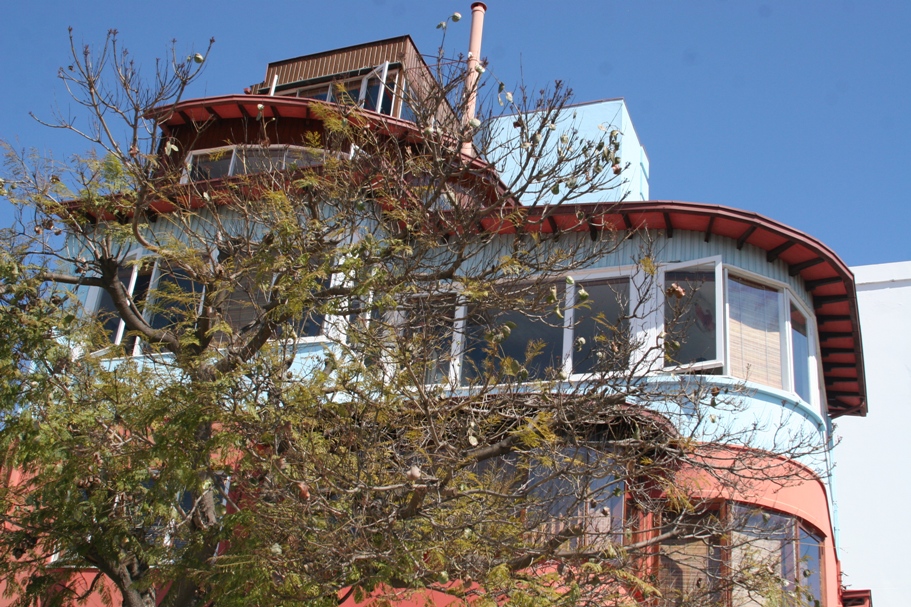
Pablo Neruda's house.
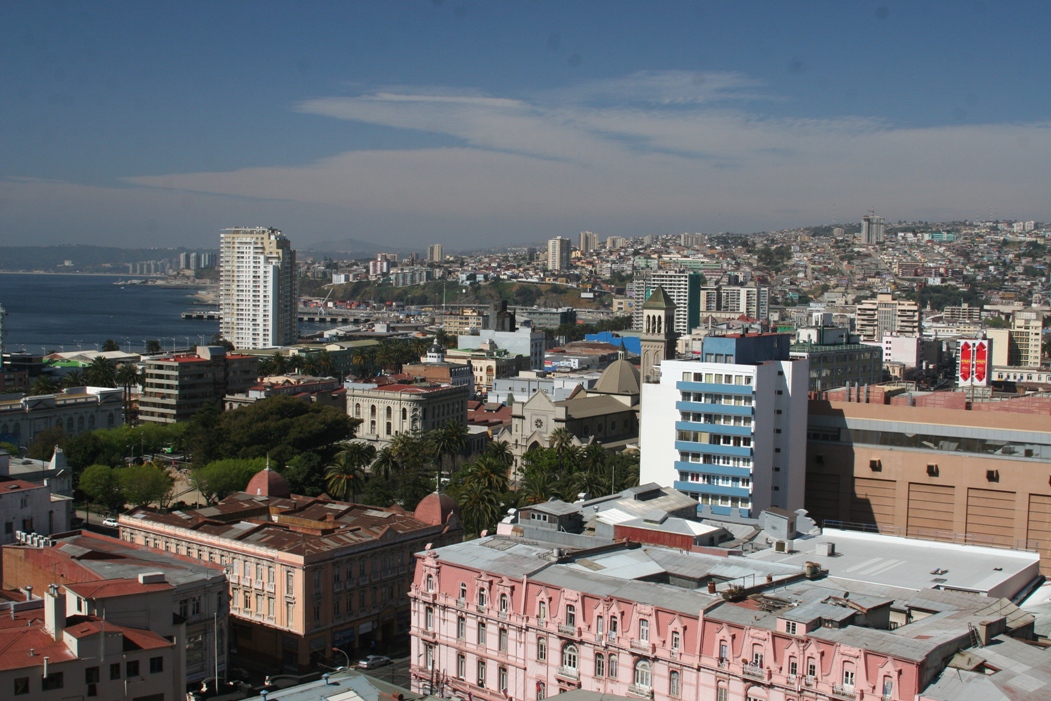
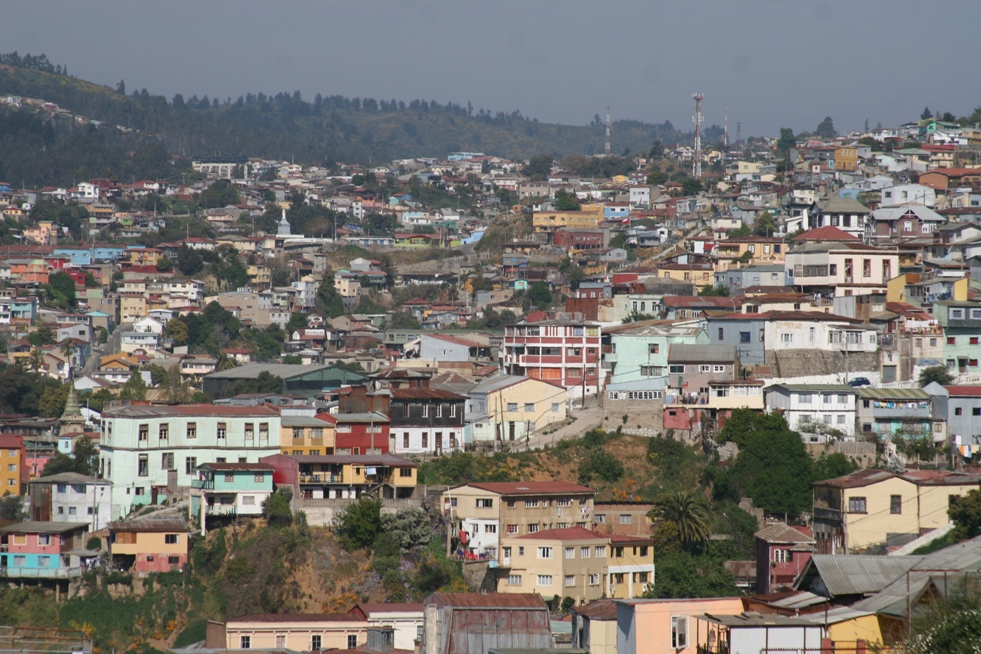
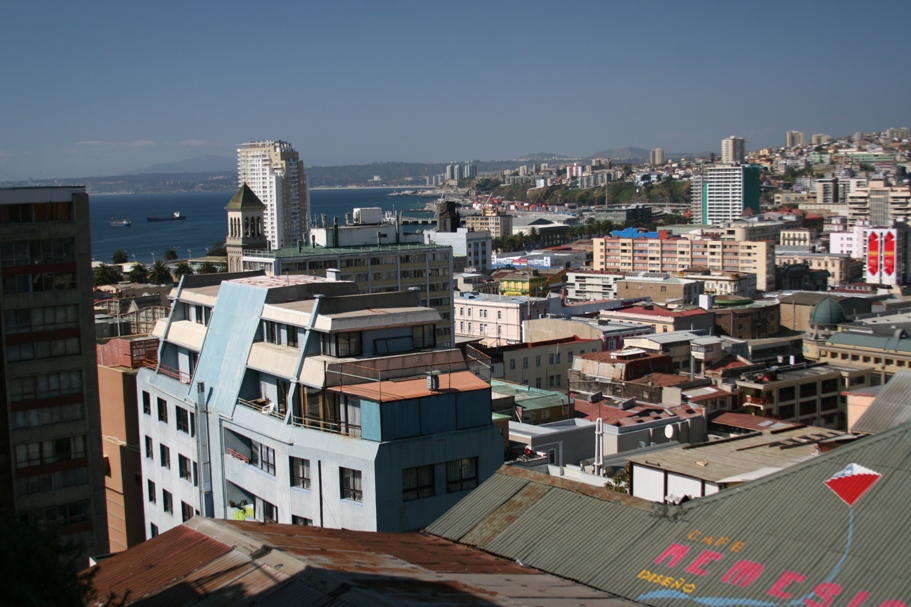
Vistas de la ciudad.
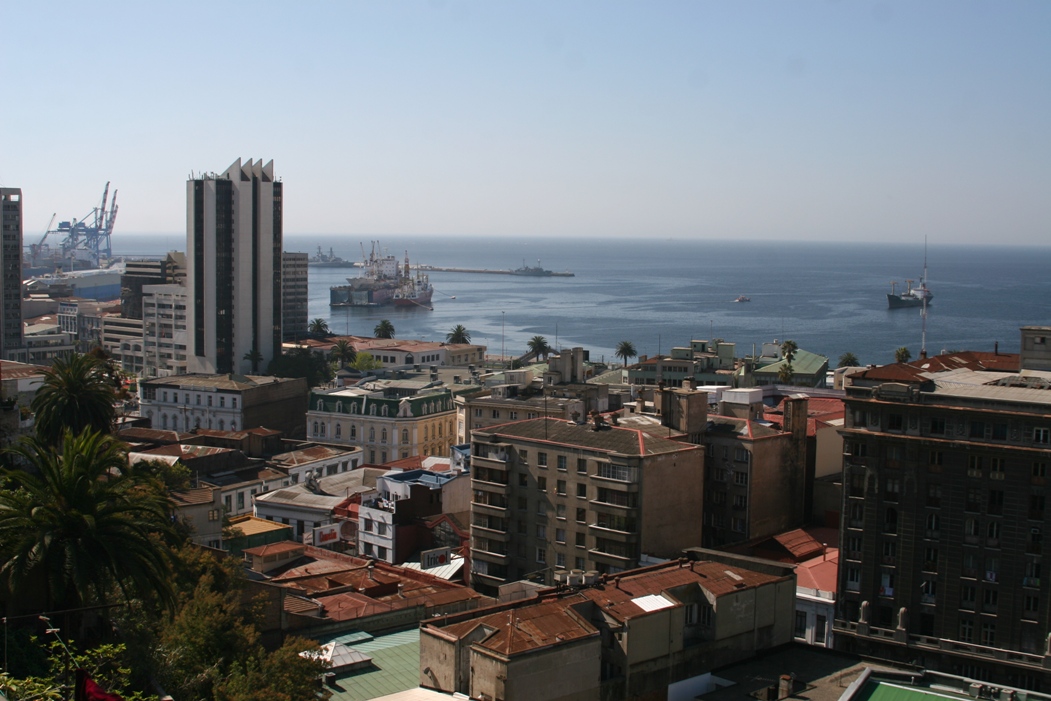
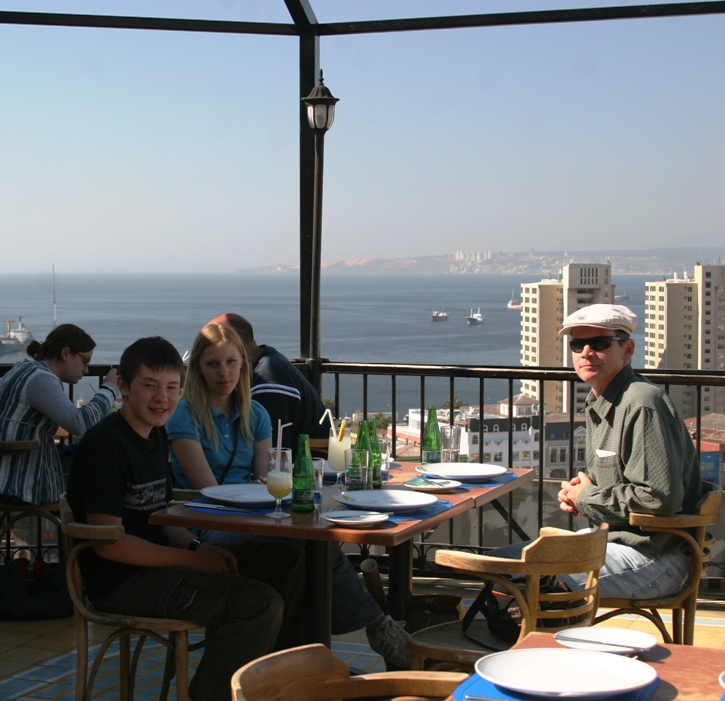
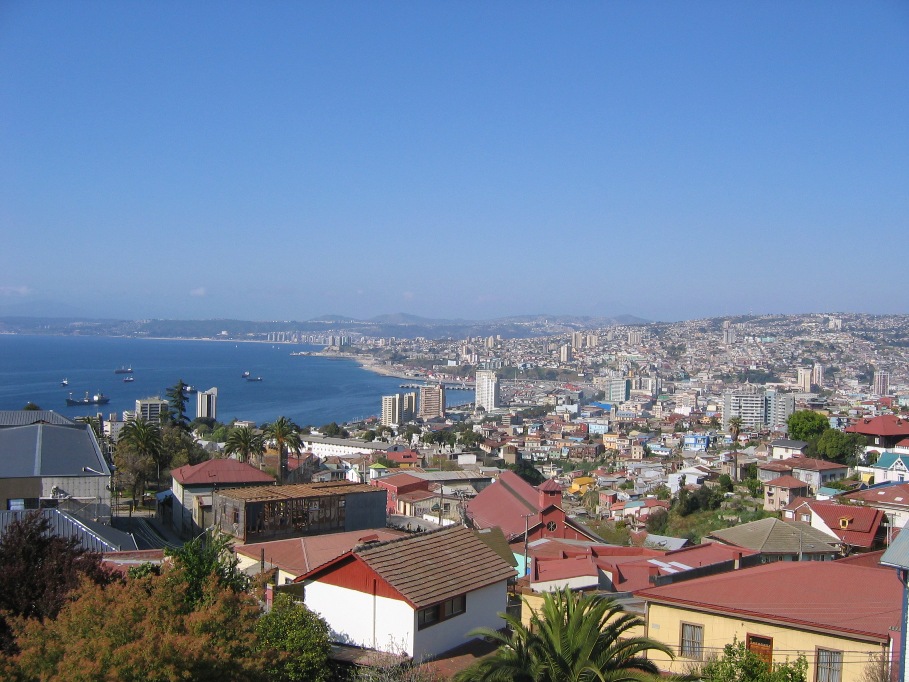
Vistas del mar.
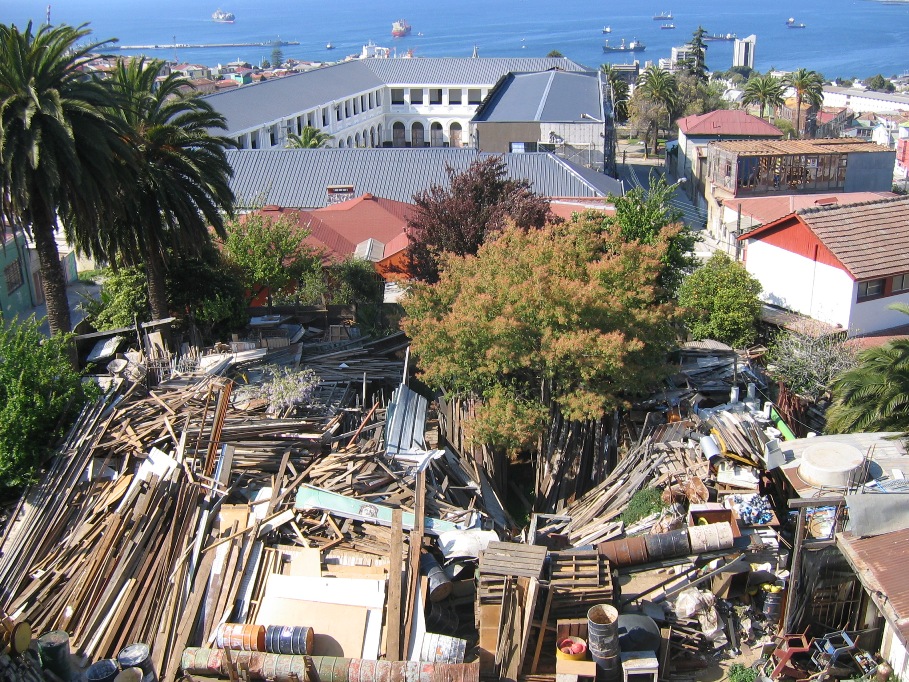
Vista de los deshechos!
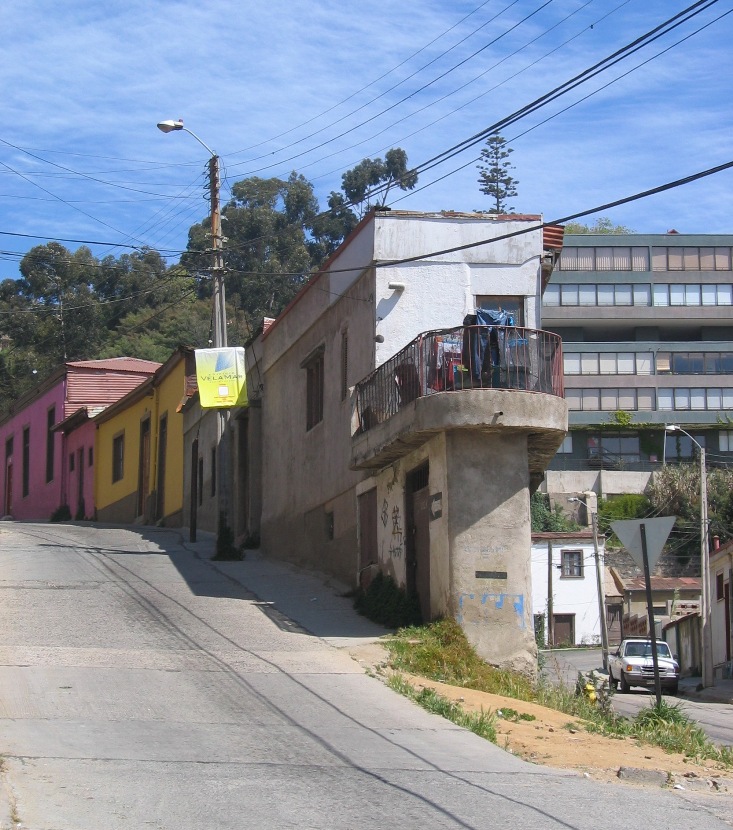
My favorite house in Valparaiso (right across from our hotel) - the "house on the corner."
For anyone you who would like to know more or check my facts...
http://en.wikipedia.org/wiki/Valparaiso
-Rolf